
Size
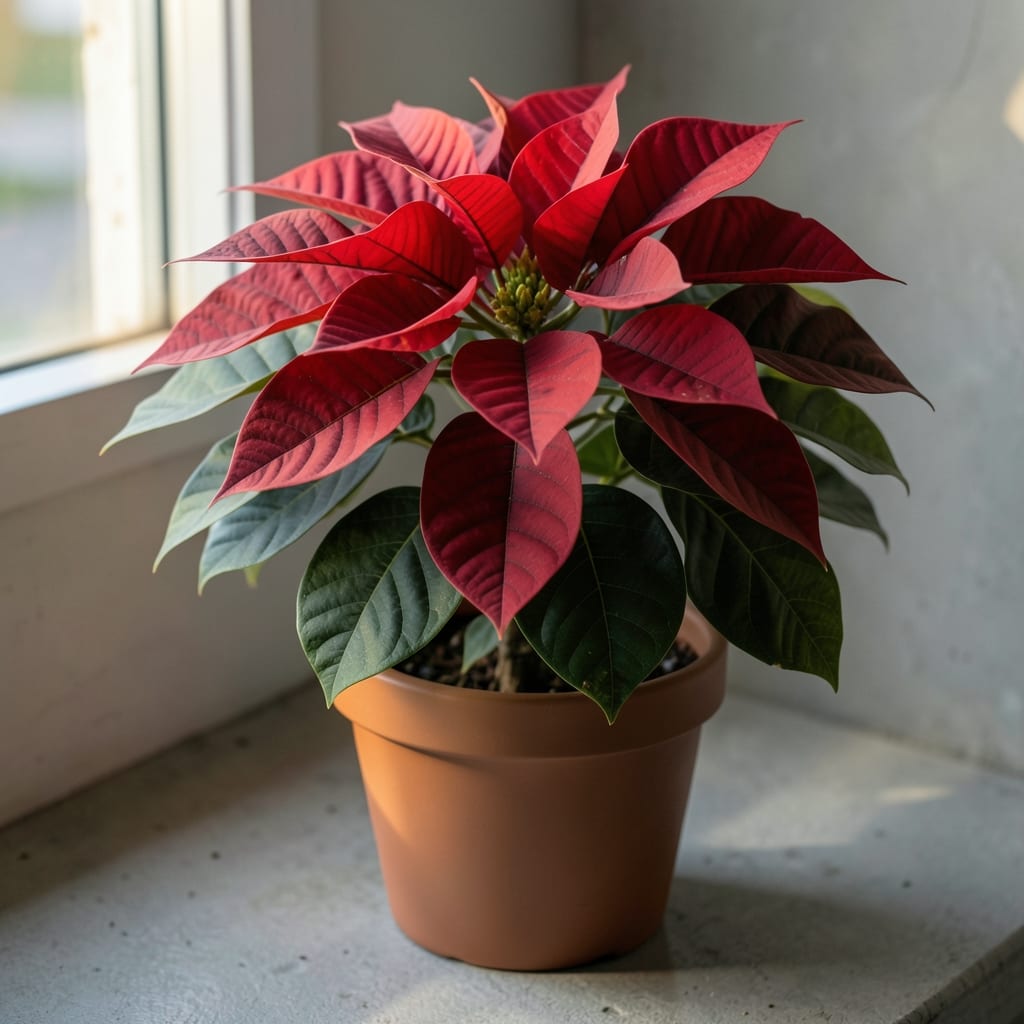
If you’ve ever wondered just how tall your poinsettia 🌸 could grow—whether it’ll stay a cute tabletop plant or stretch toward the ceiling—you’re not alone. The answer depends on the variety you’ve chosen, and the truth is, some poinsettias can surprise you with their height, reaching up to 4 feet under ideal conditions.
Most home gardeners are familiar with the classic 3-foot poinsettia, but dwarf varieties stay compact at just 1-2 feet, perfect for small spaces. The key to controlling their size lies in pruning, light exposure, and even the pot you choose. With the right care, you can shape your poinsettia to fit your space—whether that’s a cozy windowsill or a bold centerpiece.
But here’s the thing: even the most careful gardener might end up with a leggy, towering poinsettia if they miss a few critical steps. The good news? I’ll walk you through exactly how to keep your plant at your desired height, from choosing the right variety to adjusting care as it grows.
Ready to learn the secrets to managing your poinsettia’s height? Let’s dive into the exact factors that influence growth—and how you can take control for a plant that fits your vision, not just your holiday decor.


Poinsettia height by variety: from dwarf to giant sizes
Poinsettias come in a stunning array of sizes, from tiny tabletop varieties to towering holiday centerpieces. The average poinsettia height ranges from just 12 inches to over 4 feet, depending on the cultivar and growing conditions. If you’re shopping for a plant that fits your space, knowing these height variations will help you choose wisely.
Most commercial poinsettias fall into three broad categories: dwarf (12–24 inches), standard (24–36 inches), and giant (36–50+ inches). Dwarf varieties are perfect for desks or small shelves, while giants make dramatic statement pieces. Even within these categories, growth habits can vary—some stay bushy and compact, while others grow taller with fewer branches.
The Euphorbia pulcherrima species, which poinsettias belong to, naturally grows as a small tree in its native Mexico. When cultivated indoors, their height is heavily influenced by genetics, pruning, and light exposure. For example, the 'Premium Red' variety typically reaches 36 inches, while 'Compact Red' stays under 18 inches.
Here’s how the most popular varieties compare in terms of mature height and ideal uses:
| Variety | Mature Height | Growth Habit | Best For |
|---|---|---|---|
| 'Compact Red' | 12–18 inches | Bushy, rounded | Desks, small shelves, gifts |
| 'Premium Red' | 24–36 inches | Tall, upright | Holiday centerpieces, mantels |
| 'Celebrate Red' | 36–48 inches | Very tall, slender | Large rooms, commercial displays |
| 'Ice Punch' | 18–24 inches | Compact, bushy | Desks, offices, small spaces |
| 'Winter Rose' | 20–30 inches | Medium, slightly bushy | Gift baskets, small tables |
| 'Jester Red' | 15–20 inches | Very compact | Gift-giving, small pots |
🌱 Note: Heights are approximate and can vary based on care and container size.
If you’re growing poinsettias long-term, you can influence their height through pruning and container selection. Smaller pots encourage compact growth, while larger containers allow roots to spread and plants to grow taller. For example, a 'Celebrate Red' poinsettia in a 5-gallon pot may reach 48 inches, while the same variety in a 1-gallon pot will stay under 36 inches.
Color also plays a subtle role in height—some white or bicolor varieties, like 'Ice Punch', tend to grow slightly slower than deep red types. This is likely due to differences in energy allocation during bract development. For the most accurate height predictions, always check the breeder’s specifications or ask your local nursery for guidance.
For home gardeners, the key takeaway is that poinsettia height is not fixed. With the right care, even a dwarf variety can stretch taller, and a giant type can be pruned to stay compact. The next section will show you exactly how to control growth for your ideal size.
🌿
How to control poinsettia height: pruning, light, and care tips
If you’ve ever wondered how to keep your poinsettia from becoming a towering giant or encourage it to stay compact, the answer lies in strategic pruning and light management. Unlike outdoor plants, poinsettias respond dramatically to indoor care adjustments, making it easy to shape their growth. Here’s how I control my poinsettias’ height—whether I want them tabletop-sized or floor-standing showstoppers.
The key to managing height starts with pruning at the right time. Most gardeners make the mistake of pruning too late in the season, which limits their control. Instead, I prune in early spring (March-April) when the plant is still dormant. This encourages bushier growth and prevents leggy stems later. Use clean, sharp pruning shears to cut back stems to your desired height—just above a leaf node for best results.
Cut back stems by 1/3 in March-April to encourage bushiness.
Place in bright indirect light (6+ hours daily) to prevent stretching.
Use a smaller pot (1-2 inches larger than roots) to limit root spread and height.
Pinch back new growth in summer to promote branching and compact shape.
Too much nitrogen causes rapid, leggy growth—stick to balanced fertilizer.
Light exposure is the second critical factor in controlling height. Poinsettias stretch toward light sources, so I always place mine near an east or west-facing window where they get bright indirect light for 6+ hours daily. If you notice leggy stems or pale leaves, it’s a sign they need more light—or a grow light if natural light is insufficient. Rotate the pot weekly so all sides grow evenly.
For dwarf varieties like ‘Tiny Tike’ or ‘Mini Jingle,’ I use 6-inch pots to restrict root growth naturally. Larger varieties like ‘Premier Red’ or ‘Glory’ can handle 8-10 inch pots, but even then, I avoid over-potting to prevent excessive height. If your poinsettia is already too tall, don’t despair—you can still prune it back in spring and train it to stay shorter next season.
One common mistake I see is pruning too late in the fall, which reduces the plant’s ability to develop vibrant bracts for the holidays. Always save major pruning for early spring. Another tip: If you want a taller poinsettia, provide longer daylight hours (12+ hours) in late summer to encourage vertical growth before the flowering stage.
With these techniques, you can easily shape your poinsettia’s height to fit your space—whether you prefer a desk-sized centerpiece or a statement plant by your fireplace. The secret is consistency: prune early, manage light, and choose the right pot size. Your poinsettia will thank you with perfect proportions and showstopping color every holiday season! 🌸