
Flowers
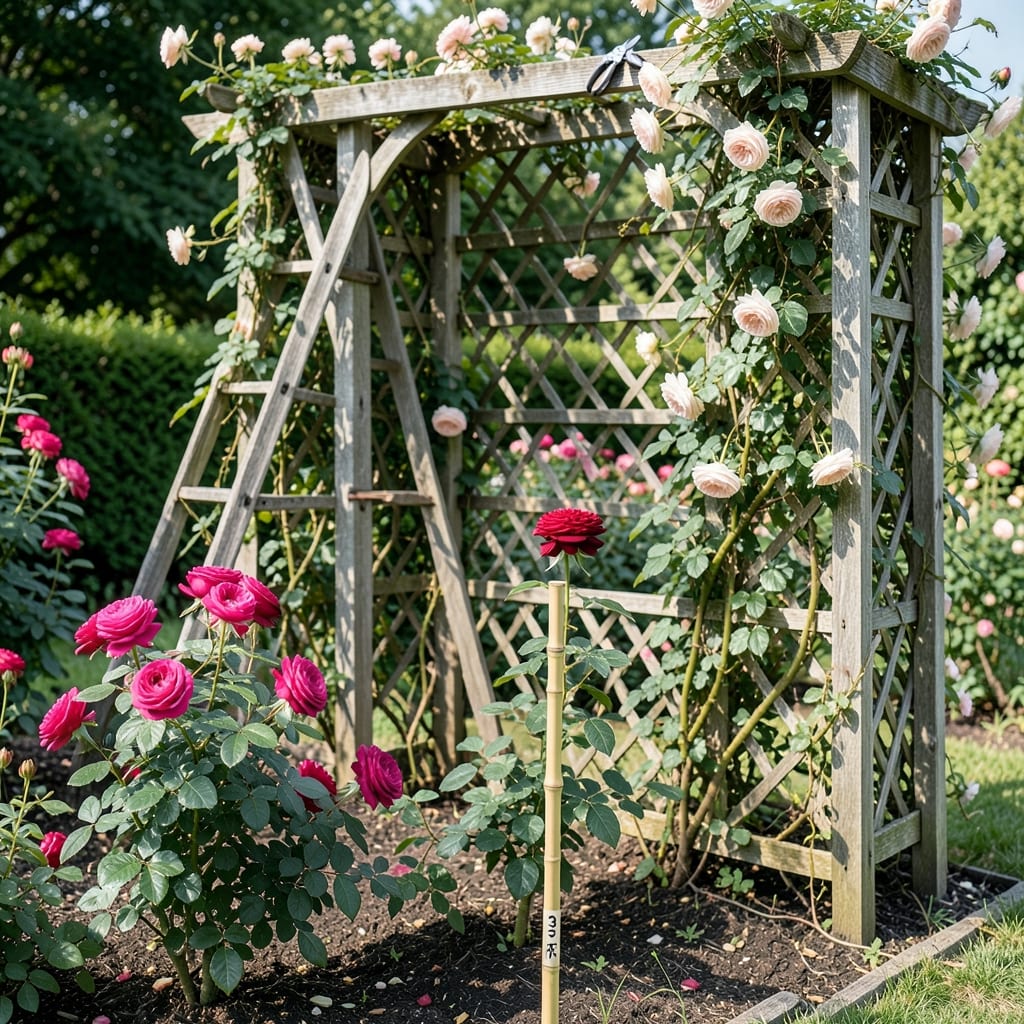
Wondering how tall can a rose grow in your garden? The answer might surprise you—some varieties stretch toward the sky like living trellises, while others stay cozy near the ground. Whether you're dreaming of a dramatic vertical garden or just want a manageable shrub, the key is choosing the right variety and giving it the care it craves.
Climbing roses can reach 10 to 20 feet, turning fences and arbors into lush, fragrant canopies, while miniature roses barely top 12 inches. The difference isn’t just genetics—pruning, sunlight, and soil play huge roles in shaping their height. Let’s break down what makes roses grow tall (or stay small) and how you can guide their growth to fit your space.
If you’ve ever struggled with unruly roses or wished for a more efficient way to manage their size, you’re in the right place. I’ll share the secrets to controlling height, from pruning techniques to support structures, so you can create the perfect rose display—whether it’s a grand climbing masterpiece or a neat, low-maintenance border.
Ready to transform your garden? Let’s dive into the world of roses and discover how to grow them at just the right height for your vision.


Rose height by variety: from ground-covering to sky-scraping giants
Roses aren’t one-size-fits-all—some varieties grow like sky-scraping giants, while others stay cozy near the ground. The height potential of a rose depends entirely on its classification and genetic makeup. If you’re planning your garden layout, knowing these ranges will help you choose the perfect roses for your space.
Climbing roses, for example, can reach 15-20 feet with proper support, while miniature roses rarely exceed 2 feet. Even within the same category, like shrub roses, heights can vary from 3 to 6 feet. Understanding these differences ensures you pick roses that fit your vision—whether it’s a vertical garden or a low-maintenance border.
| Variety | Mature Height | Growth Habit | Pruning Impact |
|---|---|---|---|
| Climbing Roses | 15–20 ft | Long, flexible canes | Minimal pruning; train on trellis |
| Shrub Roses | 3–6 ft | Bushy, multi-stemmed | Regular pruning to shape |
| Hybrid Tea Roses | 3–5 ft | Single, upright stems | Heavy pruning for blooms |
| Ground Cover Roses | 1–3 ft | Low-growing, spreading | Minimal pruning; mow around |
| Miniature Roses | 1–2 ft | Compact, bushy | Light pruning to encourage blooms |
One of the most misunderstood factors in rose height is pruning. Many gardeners assume pruning keeps roses short, but it’s actually a tool to control growth direction and encourage blooms. For example, climbing roses require minimal pruning to reach their full height, while hybrid teas need aggressive pruning to stay manageable. If you skip pruning, your roses may grow wild and leggy, losing their shape and blooming potential.
For vertical gardening, climbing roses like 'Blaze' or 'New Dawn' are ideal—they can climb 15 feet or more with the right support. Pair them with a sturdy trellis or arbor to create a dramatic focal point in your landscape. Meanwhile, ground cover roses like 'Dr. Huey' spread horizontally, perfect for slopes or under trees where height isn’t a concern.
If you’re working with limited space, consider semi-dwarf roses, which top out at 3–5 feet. These varieties offer the beauty of roses without the maintenance of towering climbers. They’re also great for container gardening, where you can control their growth with regular pruning and pot size.
Another key consideration is the rootstock used to graft the rose. Some rootstocks, like 'Dr. Huey' or 'Fortuniana', promote vigorous growth, leading to taller roses. Others, like 'Ardmore', keep roses more compact. When buying roses, check the nursery label for rootstock information—it can make a big difference in your garden’s final look.
For first-time growers, I recommend starting with shrub roses or miniature varieties. They’re forgiving, low-maintenance, and perfect for learning the basics of rose care. Once you’ve mastered their growth habits, you can experiment with taller varieties like climbers or standard roses.
Remember, height isn’t set in stone—it’s influenced by your care routine. With the right sunlight, soil, and pruning, even a miniature rose can grow slightly taller than expected. Conversely, neglect can stunt a climbing rose’s potential. The key is to observe and adjust as your roses grow.
Whether you’re aiming for a whimsical cottage garden or a modern vertical wall, choosing the right rose height is the first step. Now that you know the range, it’s time to pick your perfect varieties and get planting! 🌹
Factors that determine how tall your roses will grow (and how to control them)
Roses don’t grow to their full potential by accident—it’s all about the right conditions and a little gardener intervention. Sunlight, soil, water, and pruning all play starring roles in whether your roses will stay knee-high or climb to rooftop heights. Let’s break down the key factors and how to tweak them for the perfect-sized roses.
First, sunlight exposure is non-negotiable. Roses thrive in full sun (6+ hours daily), but too little light stunts growth. If your roses are shady, they’ll struggle to reach their maximum height. I’ve seen climbing roses in partial shade grow only half their expected height—so choose your planting spot wisely.
Next, soil quality sets the foundation. Roses need well-draining, nutrient-rich soil with a pH between 6.0 and 6.5. Compacted or poor soil can choke their roots, limiting vertical growth. Amend your soil with compost or organic matter to give them the boost they need to stretch skyward.
🌱 Key Factors Affecting Rose Height
- Sunlight: 6+ hours daily for max growth
- Soil: Well-draining, rich in organic matter
- Water: Deep, consistent watering (1-1.5 gallons/week)
- Pruning: Timing and technique control height
- Fertilizer: Balanced NPK (10-10-10) for steady growth
"Roses respond to care like a well-tuned orchestra—get the conditions right, and they’ll hit their full potential."
Watering habits also make a surprising difference. Roses need deep, infrequent watering (about 1-1.5 gallons per plant weekly) to encourage strong root systems. Shallow watering leads to weak stems and stunted growth. I’ve seen climbing roses wilt dramatically in drought conditions, only to rebound with proper hydration.
Finally, pruning techniques are the secret weapon for controlling height. Heavy pruning in late winter or early spring can limit growth for compact roses, while light pruning encourages vertical expansion in climbers. For example, if you want a 6-foot rose bush, prune back by ⅓ each year. For a 20-foot climber, minimal pruning lets it reach its full potential.
Don’t forget seasonal care! Roses grow fastest in spring and summer but slow down in fall and winter. Mulching in winter protects roots, while spring feeding kickstarts growth. With the right balance of these factors, you can coax your roses to grow exactly as tall—or as short—as you’d like.