
Trees
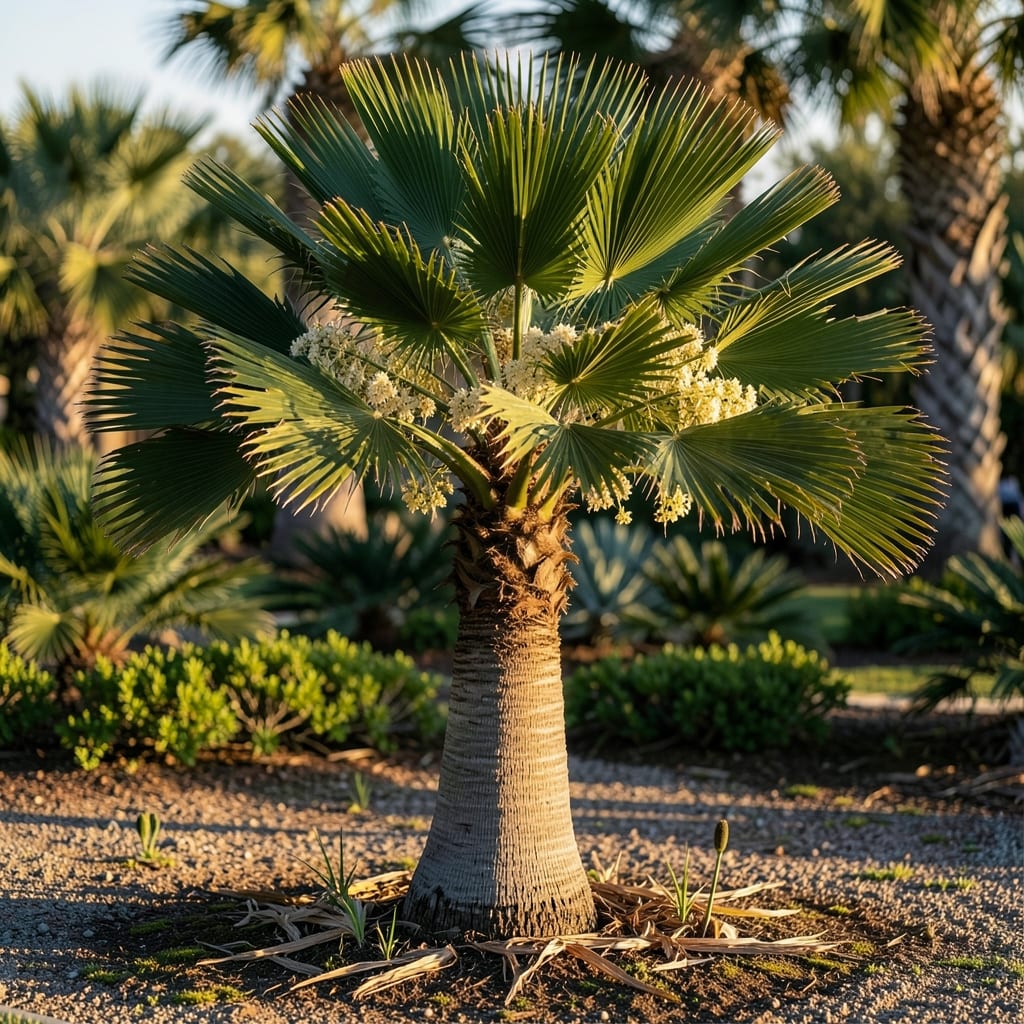
If you're wondering how tall can a Sabal palm grow in meters, you're about to discover just how dramatic these tropical giants can become. The Sabal palm 🌴 isn't just a pretty face—it's a statement piece that can reach heights of 10 to 18 meters (that's taller than a 3-story building!) when fully mature, depending on the variety and growing conditions.
Picture this: a stunning Sabal palmetto or Sabal minor standing proudly in your landscape, its fronds swaying gently in the breeze. But before you plant one, it's crucial to understand how fast they grow and what factors influence their height. From the sunny coastlines of Florida to the Mediterranean climates of Southern Europe, these palms thrive in zones 9a-11 and can grow up to 1 meter per year under ideal conditions.
What makes this even more interesting is how different species vary in size. Some stay more compact, while others stretch skyward like nature's skyscrapers. Whether you're planning a tropical-themed backyard or just curious about their growth potential, knowing these details will help you make the best decisions for your space and climate.
In the sections ahead, I'll break down the exact heights of popular Sabal varieties, share tips on managing their growth, and reveal the secrets to keeping them healthy and thriving. Let's get started!


Sabal palm height by variety: mature heights in meters compared
When planning your tropical garden, knowing the mature height of Sabal palms in meters is essential. These palms vary dramatically—some stay compact while others grow into towering giants. The most popular varieties, like the Sabal palmetto and Sabal minor, are iconic for their striking fronds and adaptability, but their heights differ significantly.
The Sabal palmetto is the tallest, reaching 15–18 meters (50–60 feet) at maturity, making it a stunning focal point for large landscapes. Meanwhile, the Sabal minor (dwarf palmetto) tops out at 3–5 meters (10–16 feet), perfect for smaller gardens or container growing.
Other varieties, like the Sabal mexicana and Sabal causiarum, offer intermediate heights of 8–12 meters (26–40 feet), giving you flexibility depending on your space. Below, I’ve compared the most common Sabal species to help you choose the perfect fit for your garden.
| Variety | Mature Height (Meters) | Growth Rate (Per Year) | Best For |
|---|---|---|---|
| Sabal palmetto | 15–18 m | 0.5–1 m | Large landscapes, coastal gardens |
| Sabal minor | 3–5 m | 0.2–0.5 m | Small gardens, containers |
| Sabal mexicana | 8–12 m | 0.3–0.6 m | Medium yards, urban gardens |
| Sabal causiarum | 10–12 m | 0.4–0.7 m | Tropical landscapes, parks |
If you're working with limited space, the Sabal minor is an excellent choice, fitting neatly into smaller gardens or even large containers. Its compact stature (3–5 meters) makes it ideal for patios or as a standalone specimen. On the other hand, if you're aiming for a dramatic, tropical skyline, the Sabal palmetto will deliver with its towering presence.
One thing to note is that Sabal palms grow slowly in their early years but accelerate once established. For example, a Sabal palmetto might only reach 2–4 meters (6–12 feet) in its first decade but can add 1 meter (3 feet) or more per year afterward. This gradual growth makes them manageable for long-term planning.
Before planting, check your local USDA hardiness zone (9a–11) to ensure the variety you choose will thrive in your climate. Some Sabal palms, like the Sabal minor, are more cold-tolerant and can handle brief dips below freezing, while others, like the Sabal palmetto, prefer warmer, frost-free conditions.
Now that you know the height ranges, you can visualize how these palms will look in your space. Whether you're creating a tropical retreat or adding a touch of elegance to your landscape, choosing the right variety ensures your Sabal palm will grow to its full potential—without overwhelming your garden.
In the next section, I’ll dive into the factors that influence Sabal palm height, including soil, sunlight, and pruning tips to help you maximize their growth or keep them in check. Stay tuned!
🌴
Factors that influence Sabal palm growth height in meters
Understanding how tall can a Sabal palm grow in meters isn't just about the species—it's also about the environment and care you provide. While genetics set the baseline, factors like climate, soil quality, sunlight exposure, and watering habits can push your palm toward its maximum potential or hold it back. Let’s explore these key influences to help you predict and shape your Sabal palm’s height.
First, climate plays a massive role. Sabal palms thrive in USDA zones 9a-11, where temperatures stay consistently warm. In ideal tropical conditions, like Florida or the Mediterranean, they can grow 1 meter per year or more. However, in cooler microclimates or transitional zones, growth slows significantly, often resulting in shorter, bushier palms rather than towering giants.
Next, soil conditions determine root health, which directly impacts height. Sabal palms prefer well-draining, slightly acidic soil (pH 5.5-6.5). Compacted or waterlogged soil restricts root expansion, stunting growth. Amending your soil with organic matter like compost or sand can create the perfect foundation for a taller, healthier palm.
Key Factors Affecting Sabal Palm Height
- 🌡️ Climate: Warmer zones (9a-11) = faster growth (up to 1m/year).
- 💧 Watering: Deep, infrequent watering encourages deeper roots and taller growth.
- ☀️ Sunlight: 6+ hours of direct sun maximizes energy for vertical growth.
- 🌱 Soil: Well-draining, slightly acidic soil (pH 5.5-6.5) supports optimal growth.
- ✂️ Pruning: Removing dead fronds reduces strain, allowing energy to focus on height.
Sunlight is another critical factor. Sabal palms crave full sun (6+ hours daily) to fuel their rapid growth. In shadier conditions, they may grow slower and develop longer, thinner fronds instead of reaching their full height potential. If you're planting in a partially shaded area, consider supplementing with grow lights or choosing a smaller variety like Sabal minor, which tolerates shade better.
Don’t overlook the role of watering habits. While Sabal palms are drought-tolerant once established, they need deep, infrequent watering to encourage deep root growth. Shallow watering leads to weak roots and stunted height. Aim for 1-2 inches of water per week, adjusting for rainfall. Overwatering, on the other hand, can suffocate roots and slow growth entirely.
Finally, pruning practices can subtly influence height. Removing dead or damaged fronds reduces the palm’s energy drain, allowing it to channel resources into upward growth. However, avoid over-pruning—this can stress the palm and limit its ability to reach its full height. Focus on maintaining a clean canopy rather than aggressive trimming.
By optimizing these factors, you can help your Sabal palm grow taller and healthier. Whether you're aiming for a 10-meter giant or a more manageable 5-meter beauty, understanding these influences gives you control over your palm’s future stature. 🌴