
How To
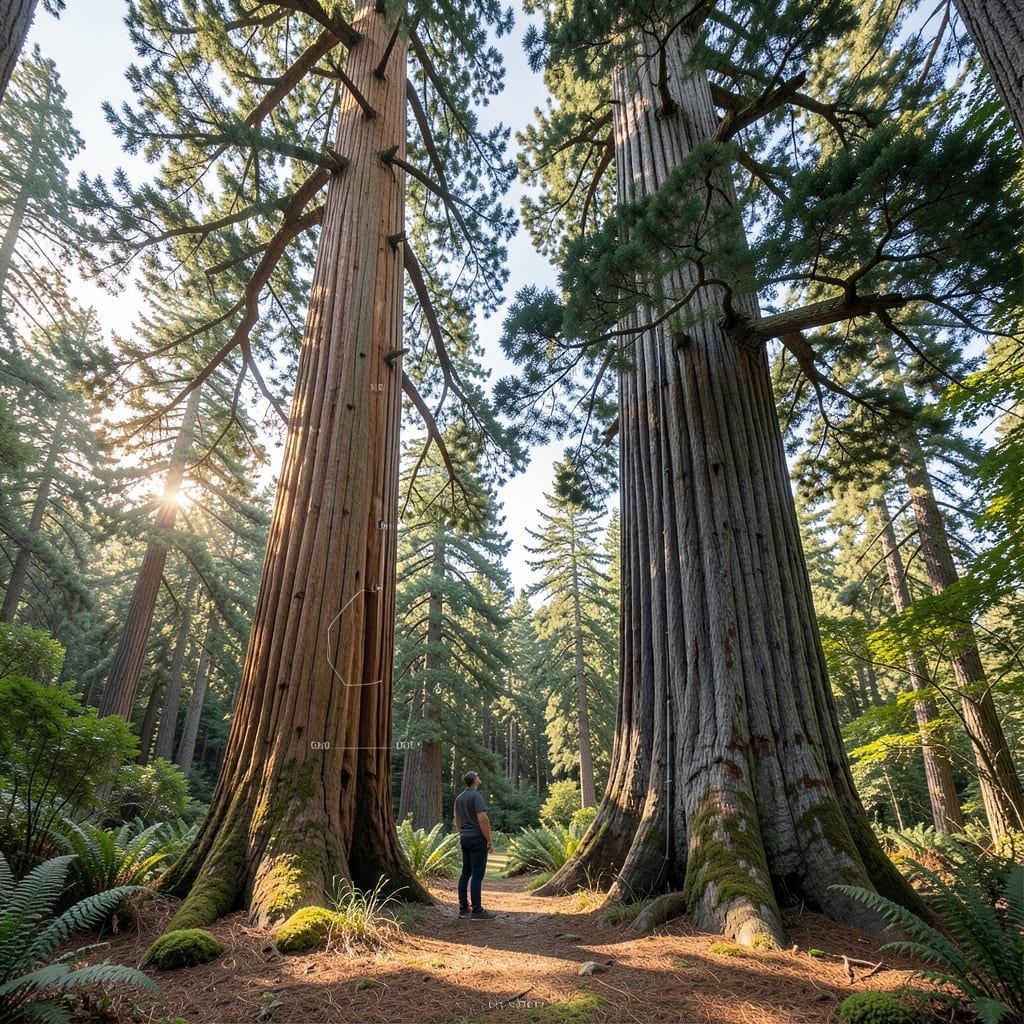
If you’ve ever gazed up at a Sequoia Tree 🌲 and wondered how tall a sequoia tree can grow, the answer will blow your mind: these giants can stretch taller than a 30-story building. But how tall can they really get? The truth about their record-breaking heights—and what it takes to nurture one—might surprise you.
Native to California’s coastal regions and Oregon, these ancient trees aren’t just tall—they’re the tallest living things on Earth. Some, like the famous Hyperion, reach heights of over 379 feet, dwarfing even the Statue of Liberty. But reaching such staggering heights isn’t just about genetics; it’s a mix of ideal conditions, patience, and the right care.
Whether you’re dreaming of planting one in your yard (with plenty of space!) or just fascinated by nature’s skyscrapers, understanding their growth secrets is key. From their slow, steady climb to the sky to the climate they crave, we’ll break down everything you need to know to appreciate—or even grow—these living monuments.
Ready to learn how these giants defy gravity? Let’s dive into the science, records, and tips for giving your own Sequoia Tree 🌲 the best shot at reaching for the clouds.


Sequoia tree height records: the tallest trees on Earth
When you think of towering giants, your mind might first jump to skyscrapers like the Burj Khalifa or the Eiffel Tower. But nature has its own skyscrapers—sequoia trees, specifically the coast redwoods and giant sequoias, which hold the title of the tallest trees on Earth. These ancient leviathans don’t just stretch high; they redefine what’s possible in the plant kingdom.
The tallest known tree in the world is a coast redwood named Hyperion, standing at a mind-blowing 380 feet tall. To put that into perspective, that’s taller than a 30-story building and nearly as tall as the Statue of Liberty’s base plus its torch combined. This record-breaking tree was discovered in 2006 and remains one of the most closely guarded secrets in nature due to its fragile ecosystem.
But Hyperion isn’t alone. Other coast redwoods like Helios and Icarus also surpass the 370-foot mark, while giant sequoias, though not as tall, boast massive girths—some with trunks wider than a two-story house. These trees aren’t just tall; they’re ancient, with some exceeding 3,000 years old, making them living witnesses to civilizations long gone.
Here’s the fascinating part: these trees grow in coastal California fog belts, where the combination of high humidity, cool temperatures, and nutrient-rich soil creates the perfect environment for their skyward growth. Unlike many trees, sequoias don’t just grow upward—they grow outward and upward simultaneously, creating their iconic fire-resistant bark and massive canopies.
Now, let’s compare these giants to some of the world’s most famous structures to truly grasp their scale. While the Eiffel Tower stands at 1,083 feet, Hyperion reaches nearly one-third of its height. Even the Statue of Liberty’s height (305 feet) is dwarfed by these ancient sentinels. It’s no wonder these trees feel like something out of a fantasy world.
🌲 Sequoia vs. Man-Made Structures
Comparison| Tree/Structure | Height (ft) | Location | Fun Fact |
|---|---|---|---|
| Hyperion (Coast Redwood) | 380 | California, USA | Taller than a 30-story building |
| Helios (Coast Redwood) | 379.7 | California, USA | Second-tallest tree on Earth |
| Icarus (Coast Redwood) | 379.5 | California, USA | Third-tallest tree on Earth |
| General Sherman (Giant Sequoia) | 275 | California, USA | Largest tree by volume |
| Statue of Liberty | 305 | New York, USA | Hyperion is 75 feet taller |
| Eiffel Tower | 1,083 | Paris, France | Hyperion is 33% of its height |
What’s even more astonishing is how these trees achieve such heights. Unlike fast-growing species, sequoias grow at a steady but deliberate pace. A coast redwood might only add 2 feet per year in ideal conditions, but over centuries, those inches add up to monumental proportions. Their growth strategy relies on deep root systems to anchor them and thick bark to protect against fires and pests.
If you’ve ever dreamed of planting your own sequoia, remember: these trees aren’t just about height—they’re about patience and commitment. While you won’t grow a 300-foot tree in your backyard, even a small sequoia seedling can become a centuries-old monument
How sequoias grow so tall: the science behind their skyward stretch
Sequoias don’t just grow tall—they defy gravity with a biological engineering that’s millions of years in the making. Their skyward ascent isn’t luck; it’s a perfect storm of genetics, root systems, and climate adaptation that turns them into the tallest trees on Earth. Let’s peel back the bark to see how they pull off this feat.
At their core, sequoias rely on a massive, shallow root system that spreads wide but stays near the surface. This design anchors them against wind while maximizing water and nutrient absorption from the rich, moist soil of their native coastal California forests. Their roots also release natural fungicides to protect against decay, ensuring structural integrity for centuries.
🌲
| Growth Factor | Key Details |
|---|---|
| Root System | Shallow but expansive; spreads 100+ feet wide for stability |
| Water Transport | Xylem vessels 1/100th inch wide create negative pressure to pull water 300+ feet upward |
| Climate Needs | Coastal fog and mild winters prevent frost damage; 90+ inches annual rainfall |
| Genetic Adaptations | Slow growth rate (1-2 feet per year) prioritizes height over girth; thick bark resists fires |
Their water transport system is equally impressive. Sequoias use a network of xylem vessels that create a negative pressure system, pulling water from roots to canopy like a giant straw. This system must overcome gravity’s pull, which is why sequoias thrive in humid, foggy climates—their leaves act like natural sprinklers, recycling moisture back into the air.
Contrary to myth, sequoias aren’t rapid growers. They add just 1-2 feet annually, but this slow-and-steady approach lets them outlive humans by 2,000+ years. Their thick, fire-resistant bark (up to 2 feet thick) protects them from wildfires, a natural pruning tool that removes weak branches and fuels upward growth.
🌿
For gardeners dreaming of growing sequoias, replicating their native conditions is key. While you won’t grow a 300-foot giant in your backyard, coast redwood seedlings (their cousins) can reach 200 feet with the right care. Start with well-draining, acidic soil, consistent moisture, and a protected, sunny location. Patience is the secret ingredient—these trees grow slowly but surely, like a living skyscraper.