
Plants
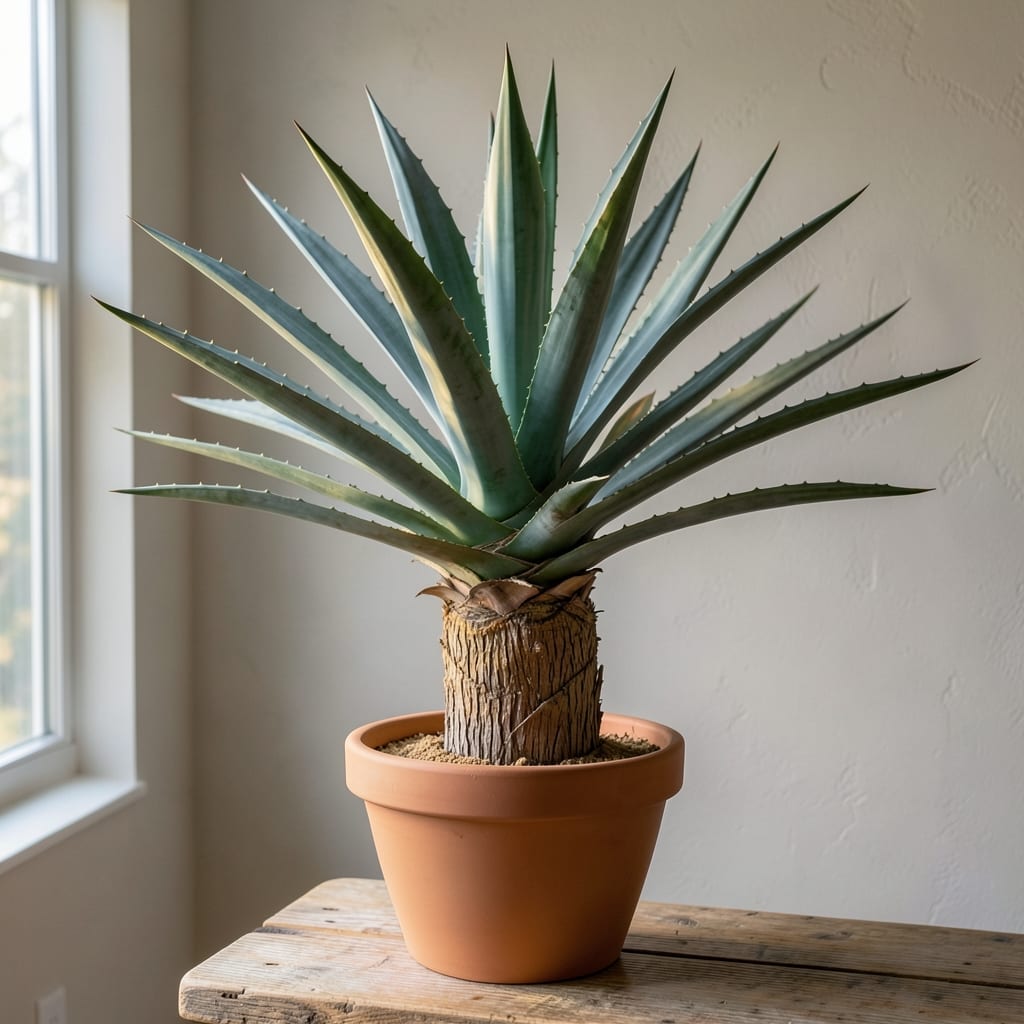
If you're dreaming of adding a striking yucca plant 🌵 to your landscape, you might be surprised by just how tall these desert beauties can grow—some varieties stretch taller than a basketball hoop, while others stay perfectly manageable for smaller spaces.
Understanding the mature height of your yucca isn't just about aesthetics; it determines whether your yard has room for a 20-foot statement piece or a compact 3-foot accent plant. The variety you choose, along with your climate zone, plays a huge role in how big your yucca will become.
From the towering Yucca elephantipes to the hardy Yucca flaccida, each species has its own growth potential—and knowing the differences can help you pick the perfect fit for your garden. Let’s break down what to expect based on your location and the type of yucca you’re growing.
Whether you’re planning for a dramatic focal point or a low-maintenance container plant, I’ll show you how to manage your yucca’s height and keep it thriving for years. Ready to discover the full potential of your desert shrub?


Yucca plant height by variety: tallest species and their mature sizes
Yuccas are famous for their dramatic vertical growth, but their mature height varies wildly depending on the species. Some varieties stretch skyward like small trees, while others remain compact enough for container gardening. Let’s explore the tallest yucca species and their space requirements, so you can choose the perfect fit for your garden.
The Yucca elephantipes, also called the spineless yucca, is one of the fastest-growing varieties, often reaching 10–20 feet tall in ideal conditions. This makes it a stunning focal point for large yards or even urban landscapes with ample space. Its thick, woody trunk and arching leaves create a tropical yet rugged appearance that thrives in USDA zones 7–11.
For smaller gardens, the Yucca brevifolia, or Joshua Tree, is a desert icon that can grow 15–40 feet tall in its native habitat. However, in cultivated settings, it typically matures between 10–20 feet, making it perfect for drought-prone landscapes in zones 7–11. Its striking, twisted branches add architectural interest without overwhelming smaller spaces.
If you’re looking for a dwarf yucca, consider Yucca filamentosa, which tops out at 3–6 feet and spreads 6–10 feet wide. This variety is ideal for border plantings or as a low-maintenance ground cover in zones 4–10. Its fine, thread-like fibers and soft blue-green leaves add texture without the towering height of its cousins.
Here’s a quick reference to help you visualize the mature sizes of popular yucca varieties:
| Variety | Mature Height | Growth Rate | Best For |
|---|---|---|---|
| Yucca elephantipes | 10–20 ft | Fast (1–2 ft/year) | Large yards, urban landscapes |
| Yucca brevifolia (Joshua Tree) | 10–20 ft (up to 40 ft wild) | Slow to moderate | Desert gardens, drought landscapes |
| Yucca flaccida (Weeping Yucca) | 8–12 ft | Moderate | Cold-hardy zones, privacy screens |
| Yucca filamentosa (Adam’s Needle) | 3–6 ft | Slow | Borders, containers, small gardens |
| Yucca aloifolia (Spanish Dagger) | 6–10 ft | Moderate | Tropical climates, coastal gardens |
The Yucca flaccida, or weeping yucca, is another standout with a mature height of 8–12 feet. Its cascading, sword-like leaves and cold-hardiness (zones 5–10) make it a favorite for northern gardens. This variety is perfect if you want a tall but manageable yucca that thrives in cooler climates.
For tropical climates, Yucca aloifolia reaches 6–10 feet and boasts striking, dagger-like leaves that add drama to coastal landscapes. It’s also one of the few yuccas that produces edible fruit, though it’s more prized for its ornamental value in zones 8–11.
If you’re growing yuccas in containers, opt for dwarf varieties like Yucca filamentosa or Yucca recurvifolia, which stay under 6 feet. These are ideal for patios or balconies, as they tolerate root restriction better than their taller cousins. Just ensure your pot has drainage holes and use a well-draining cactus mix to prevent root rot.
No matter which variety you choose, yuccas reward patience with their striking height and low-maintenance nature. Whether you’re planning a desert-themed garden or a modern urban oasis, there’s a yucca size that will fit your vision perfectly.
How climate zones affect yucca growth height: cold-hardy vs. tropical varieties
Your USDA hardiness zone plays a surprisingly big role in how tall your yucca will grow. Cold-hardy varieties like Yucca flaccida (Adam's needle) often grow taller in zones 4-8 because they focus energy on vertical growth to survive harsh winters, while tropical species like Yucca aloifolia (Spanish dagger) may stay shorter in zones 9-11 due to year-round warmth slowing their growth rate.
In cooler climates (zones 3-6), yuccas like Yucca filamentosa can reach 10-15 feet as they stretch toward sunlight, while in warmer zones (7-11), the same species might top out at 6-10 feet with wider, bushier growth. This zone-based variation means your yucca’s height isn’t just about genetics—your location matters too.
Here’s how different climate zones influence yucca growth patterns and mature heights:
| Climate Zone | Cold-Hardy Varieties | Tropical Varieties | Mature Height Range |
|---|---|---|---|
| Zones 3-6 | Yucca flaccida, Yucca filamentosa | Yucca elephantipes (rare) | 10-15 ft (taller in full sun) |
| Zones 7-9 | Yucca gloriosa, Yucca brevifolia | Yucca aloifolia, Yucca recurvifolia | 6-12 ft (bushier growth) |
| Zones 10-11 | Yucca rostrata (limited) | Yucca elephantipes, Yucca gigantea | 4-8 ft (slower vertical growth) |
🌡️ Note: Yuccas in container gardens (any zone) typically stay 30-50% shorter than their ground-planted counterparts.
If you’re in a transition zone (zone 7-8), you’ll find yuccas strike a balance—growing 8-12 feet tall while maintaining a sturdy trunk. For example, Yucca gloriosa thrives here, often reaching 10 feet with a 3-foot spread, making it perfect for medium-sized yards. The key is choosing varieties that match your zone’s winter lows and summer heat.
For container growers, climate zone matters less than pot size. A Yucca elephantipes in a 15-gallon container might only reach 6 feet in zone 10, while the same plant in the ground could tower 15 feet. Root restriction naturally limits height, but it also encourages thicker stems and denser foliage, which many gardeners prefer for smaller spaces.
Pro tip: In cooler zones (3-6), mulch heavily around your yucca’s base to protect roots from freeze-thaw cycles, which can stunt growth. In hot zones (9-11)leaf scorch, which can redirect energy away from vertical growth. Both strategies help your yucca reach its genetic height potential without stress.