
How To
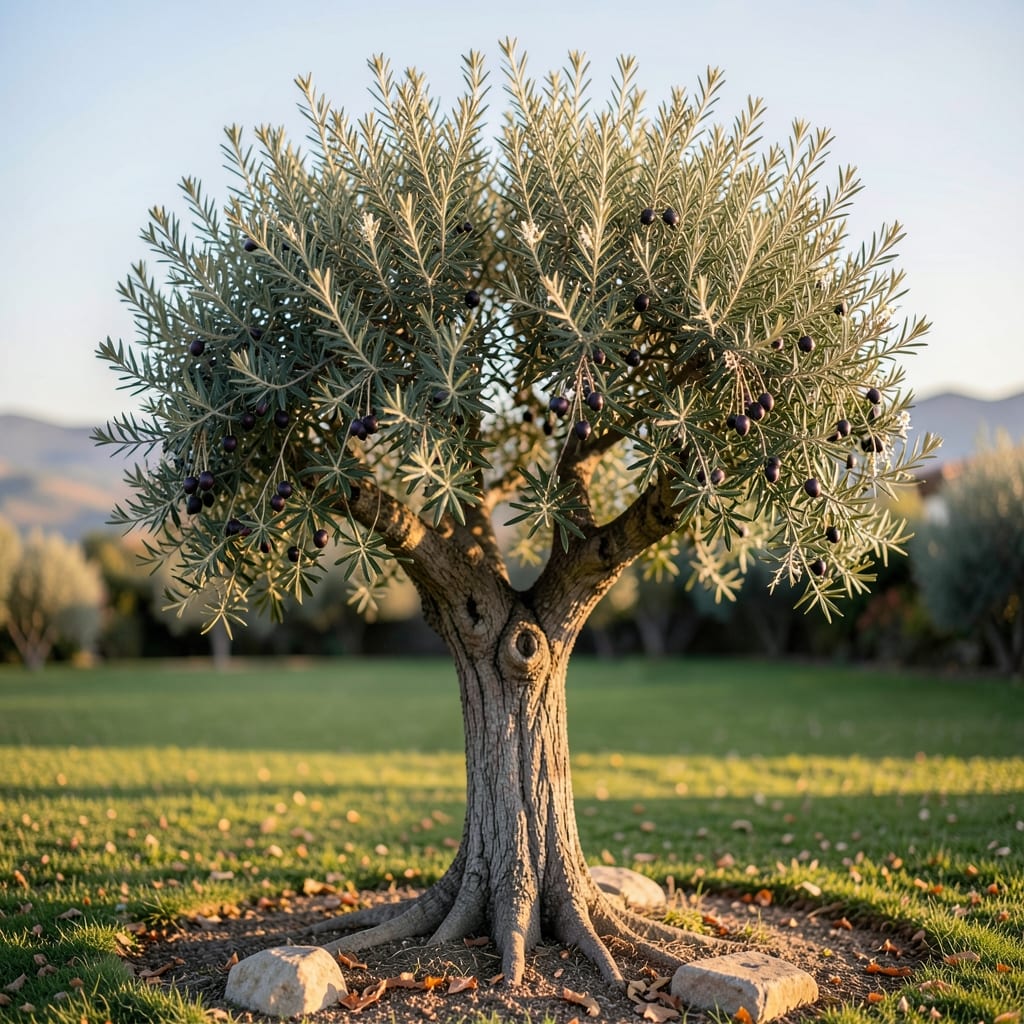
If you’ve ever wondered how tall an olive tree can grow—or how to keep one compact for your backyard—the answer depends on more than just time. The height of an olive tree can swing wildly, from a modest 8-foot dwarf to a towering 50-foot Mediterranean giant, all thanks to climate, variety, and a little pruning know-how.
Picture this: a centuries-old olive tree in Greece standing like a living monument, while your neighbor’s carefully pruned backyard variety stays neatly contained. The difference isn’t just luck—it’s science, and understanding it is the key to growing the perfect tree for your space. Whether you’re dreaming of homegrown olives or just want a shady centerpiece, we’ll break down what makes these trees stretch (or stay small) and how you can control the outcome.
Climate plays a starring role here. Mediterranean zones (like USDA 8-10) give olive trees the ideal conditions to reach their full height potential, while cooler areas might see slower, more controlled growth. But don’t worry—even in less-than-perfect conditions, the right variety and care can keep your tree at a manageable height. We’ll cover the fastest-growing types, dwarf varieties perfect for containers, and the pruning secrets that can turn a future skyscraper into a tidy shrub.
Ready to stop guessing and start growing? Let’s dive into the factors that shape olive tree heights—and how you can steer yours toward your ideal size, whether that’s a 3-foot potted tree or a sun-dappled 20-foot shade provider. Your perfect olive tree is closer than you think!

Olive tree height variations by climate Zone: from 8 to 50 feet explained
Olive trees are famous for their longevity, but their height potential can vary wildly—from a compact 8-foot dwarf to a 50-foot Mediterranean giant. The key? Climate. In USDA Zones 8-10, where olive trees thrive, they reach their full height potential. But in cooler Zones 7-11, growth slows, and trees often stay shorter unless given extra care.
Sunlight, rainfall, and temperature all play roles. A Mediterranean climate with hot, dry summers and mild winters produces the tallest trees, while temperate zones with frost limit growth. Even within the same climate, variety selection matters—some olives are genetically dwarfed, while others grow wild and tall.
Here’s how climate and variety determine your olive tree’s height:
| Climate Zone | Varieties | Mature Height | Growth Rate |
|---|---|---|---|
| Mediterranean (Zones 8-10) | Manzanillo, Frantoio, Wild Olive | 30–50 ft | Fast (1–2 ft/year) |
| Temperate (Zones 7-11) | Arbequina, Mission, Little Ollie | 8–25 ft | Moderate (6–12 in/year) |
| Container-Grown (Any Zone) | Dwarf varieties (e.g., 'Little Ollie') | 8–15 ft (pruned) | Slow (3–6 in/year) |
In Mediterranean climates, olive trees like Manzanillo or Frantoio can shoot up to 50 feet without intervention. These trees thrive in hot, dry summers and mild winters, conditions that mimic their native Spanish and Italian habitats. Without pruning, they’ll grow tall and wide, forming a canopy of silvery-green leaves.
But if you’re in Zone 7 or cooler, expect slower growth. Varieties like Arbequina or Mission may only reach 15–25 feet unless you provide extra winter protection, like windbreaks or mulch. Even then, frost can stunt growth, keeping trees shorter and bushier.
For small spaces or containers, dwarf varieties like 'Little Ollie' are perfect. These stay under 15 feet and grow at a manageable pace. The trade-off? They produce smaller olives and may yield less oil. But if you’re growing for ornamental value or backyard shade, they’re ideal.
Another factor? Soil and water. Olive trees hate waterlogged roots—too much moisture in heavy clay soil can stunt growth. In well-draining soil, they grow faster. Pair that with full sun exposure, and you’ll see heights climb quicker. Skip the sun, and your tree might stay stunted.
Pruning also shapes height. Left unchecked, a wild olive tree can become a 30-foot monster. But with regular pruning, even standard varieties can be kept under 15 feet. I’ve seen Manzanillo trees pruned into espalier shapes, growing just 8–10 feet tall while still producing fruit.
So, how tall will your olive tree grow? It depends on where you live, what variety you choose, and how much you’re willing to prune and protect it. With the right care, even a 50-foot giant can become a backyard-friendly dwarf—or vice versa!
How to control olive tree height: pruning, grafting, and variety selection tips
If you're wondering how to keep your olive tree from reaching 50 feet in your backyard, you're not alone. With the right techniques, you can manage its height—whether you want a compact ornamental or a manageable fruit-bearing tree. The key lies in three strategies: pruning, grafting, and variety selection. Each method offers unique benefits depending on your goals.
Pruning is the most common way to control height. By removing vertical growth and shaping the tree, you can encourage a bushier form. For example, dwarf varieties like 'Little Ollie' naturally stay under 15 feet, but even standard trees can be pruned to maintain a more manageable size. The best time to prune is late winter or early spring, just before new growth begins.
Grafting is another effective method for height control. By grafting a dwarf rootstock onto a standard olive tree, you can limit its height while preserving the desired fruit variety. This technique is often used by commercial growers but can also be done at home with the right tools and knowledge. Grafting ensures the tree stays within your desired height limits while maintaining its productivity.
🪴 Top 3 Ways to Control Olive Tree Height
- 🌱 Prune Regularly: Trim vertical shoots in late winter to encourage bushier growth. Aim for a rounded canopy to reduce height.
- 🌿 Choose Dwarf Varieties: 'Arbequina' and 'Little Ollie' stay under 15 feet, perfect for containers or small yards.
- 🪴 Graft onto Dwarf Rootstock: Combine a standard variety with a dwarf rootstock to limit height while keeping fruit quality.
Variety selection is the simplest way to ensure your olive tree stays within your space constraints. Dwarf varieties like 'Arbequina' and 'Little Ollie' are bred to stay under 15 feet, making them ideal for containers or small gardens. Semi-dwarf varieties like 'Frantoio' reach 15-25 feet, offering a balance between manageable size and productivity. Always check the mature height of a variety before planting to avoid surprises.
For container growing, choose a dwarf or semi-dwarf variety and prune regularly to maintain its shape. Use a large pot with drainage holes and ensure the tree gets full sun. Container-grown olive trees can thrive for years if given the right care, making them a great option for patios or balconies. Just
If you're dealing with an established tree that's already too tall, don't worry—pruning can still help. Focus on removing upward-growing branches and thinning out dense areas to improve airflow. This not only controls height but also promotes healthier fruit production. Always use sterilized pruning tools to prevent disease spread.
With these techniques, you can enjoy the beauty and benefits of an olive tree without it becoming an unmanageable giant. Whether you're growing for fruit, oil, or ornamentation, controlling height ensures your tree stays in harmony with your space—no matter how small or large it may be. 🌳