
Size
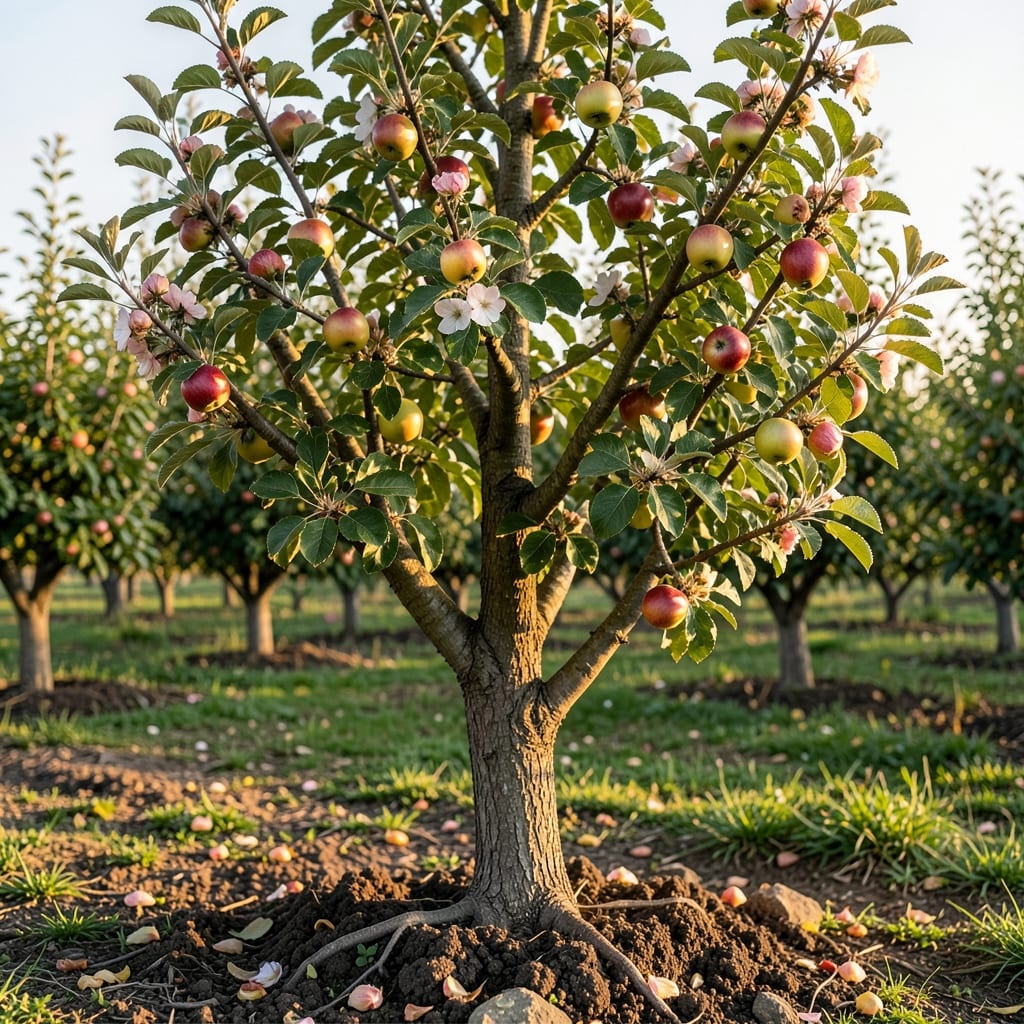
If you’ve ever wondered how tall can apple trees grow, the answer lies in the rootstock and variety you choose—some stay as small as a shrub, while others tower toward the sky, even reaching over 40 feet in ideal conditions.
This dramatic difference isn’t just about aesthetics—it affects everything from fruit quality to how much work you’ll put into pruning. Whether you’re dreaming of a 6-foot dwarf that fits your patio or a 25-foot standard for serious harvests, understanding these variations is the key to planning your orchard right.
I’ll walk you through the exact height ranges for each category, plus the surprising factors that determine how tall your specific apple tree will grow. You’ll discover which varieties stay manageable and how to control even the tallest trees with simple techniques.
By the end, you’ll know exactly which size matches your space, maintenance style, and fruit goals—without guessing whether that lush canopy will become a 20-foot monster or stay perfectly contained. Let’s get growing!


Apple tree height by variety: from dwarf to standard to giant sizes
Apple trees come in stunning height variations, from 6-foot patio dwarfs to 40-foot orchard giants. The difference? Rootstock—the underground part of the tree that determines growth potential. I’ll break down the exact height ranges for each category, so you can pick the perfect size for your space and goals.
Dwarf varieties are bred to stay compact, while standard trees grow tall and robust. Some semi-dwarf varieties fall in between, offering a balance of manageable size and productivity. Let’s explore the specifics, including mature heights, growth rates, and ideal spacing for each type.
🍎 Pro Tip: Always check the rootstock type when buying—it’s the #1 factor in determining your tree’s height. For example, M.9 rootstock produces dwarfs, while Seedling rootstock yields giants.
| Category | Mature Height | Growth Rate (First 3 Years) | Ideal Spacing | Best For |
|---|---|---|---|---|
| Dwarf | 6–12 ft | 1–3 ft/year | 6–10 ft apart | Containers, small yards, urban gardens |
| Semi-Dwarf | 12–18 ft | 2–4 ft/year | 12–15 ft apart | Backyard orchards, larger containers |
| Standard | 20–30 ft | 3–6 ft/year | 20–30 ft apart | Traditional orchards, rural properties |
| Giant (Seedling) | 30–40+ ft | 4–8 ft/year | 40+ ft apart | Commercial orchards, large estates |
If you’re growing dwarf varieties, popular choices like ‘Red Delicious’ or ‘Granny Smith’ on M.9 rootstock will stay under 10 feet. These are perfect for containers or small urban gardens, producing fruit just 2–3 years after planting.
For semi-dwarf trees, varieties like ‘Fuji’ or ‘Gala’ on MM.106 rootstock reach 12–18 feet. They’re ideal for backyard orchards where you want a balance of size and productivity. These trees typically bear fruit in 3–4 years.
Standard apple trees, such as ‘Honeycrisp’ or ‘Pink Lady’ on Seedling rootstock, can soar to 25–30 feet. These are best suited for rural properties with ample space, as they require regular pruning to manage their height and ensure fruit accessibility.
Giant apple trees, often grown from seedling rootstock, can exceed 40 feet in height. While these are rare in home gardens, they’re common in commercial orchards where space isn’t a constraint. Varieties like ‘Jonathan’ or ‘McIntosh’ on seedling rootstock thrive in these conditions but demand significant maintenance.
One critical factor influencing height is climate. Trees in warmer zones (USDA Zones 7–9) may grow slightly faster and taller than those in colder regions. Additionally, soil quality and water availability play roles—well-draining, nutrient-rich soil promotes healthier, more controlled growth.
🌱 Did You Know? Some columnar apple trees, like ‘Wijcik’, grow only 8–12 feet tall but stay narrow (3 feet wide), making them perfect for tight spaces. These are grafted onto specialized dwarfing rootstock for ultra-compact growth.
How to choose the right apple tree height for your space and needs
Selecting the right apple tree height starts with matching your garden space to the tree’s mature size. A dwarf variety like ‘Columnar’ fits a 6-foot pot on a patio, while a standard tree like ‘Granny Smith’ needs 20 feet of clearance for its towering branches. My urban backyard? It’s perfect for semi-dwarf ‘Honeycrisp,’ which tops out at 12-15 feet—just tall enough for ladder-free harvests but not so large it blocks sunlight to my veggie beds.
Consider your maintenance preferences too. Dwarf trees require less pruning and are easier to harvest, but they may produce smaller fruit yields per tree. Standard trees give you bigger harvests but demand more space, time, and heavy-duty tools. I once tried a 25-foot ‘Fuji’ in my suburban yard—only to realize I’d need a cherry picker to pick the top apples! 🌳
Pollination is another critical factor. Most apple trees are self-pollinating, but some varieties—like ‘Pink Lady’—need a second tree within 50 feet for cross-pollination. If space is tight, opt for a dwarf pollinator pair, like ‘Gala’ and ‘Red Delicious,’ both staying under 10 feet. My neighbor planted a semi-dwarf ‘McIntosh’ next to his standard ‘Golden Delicious’—they pollinate each other perfectly, but he regrets the 18-foot height difference now.
For container growing, stick to columnar or bush varieties like ‘Liberty’ or ‘Urban Apple.’ These stay under 8 feet and thrive in 15-gallon pots with proper drainage. I’ve grown ‘Anna’ apples in containers for 3 years with no issues—just
🌱 Pros & Cons: Apple Tree Heights
- ✅ Fits small spaces
- ✅ Easy to prune
- ✅ Ladder-free harvests
- ❌ Smaller fruit yield
- ❌ Needs pollinator nearby
- ✅ Balanced harvest size
- ✅ Fewer pruning needs
- ✅ Works for pollination pairs
- ❌ Needs some space
- ❌ May need step stool
- ✅ Largest fruit yield
- ✅ Classic orchard look
- ✅ Self-pollinating options
- ❌ Needs heavy pruning
- ❌ Requires ladder/cherry picker
Timing your plant is just as important as size. Dwarf trees can be planted year-round in mild climates, but standard trees should go in early spring (3 months before last frost) to establish roots before summer heat. I planted a ‘Ambrosia’ semi-dwarf in late April—it’s now 10 feet tall with 50 pounds of apples last season! For container trees, plant in spring after frost to avoid root shock.
Pro tip: If you love the idea of a tall tree but lack space, consider espalier training. This method flattens trees against a fence or wall, keeping them under 10 feet while maximizing fruit production. I’ve seen ‘Granny Smith’ espaliers produce 200 apples per tree in a 6-foot vertical space—perfect for urban gardens! Just ensure you have 6+ hours of sunlight for the wall.
Ready to pick your perfect apple tree? Start by measuring your space, checking sunlight, and deciding whether you want low-maintenance dwarfs or high-yield standards. My semi-dwarf ‘Arctic Sweet’ gives me 100 pounds of crisp apples with minimal effort—now that’s what I call a backyard win! 🍏