
Size
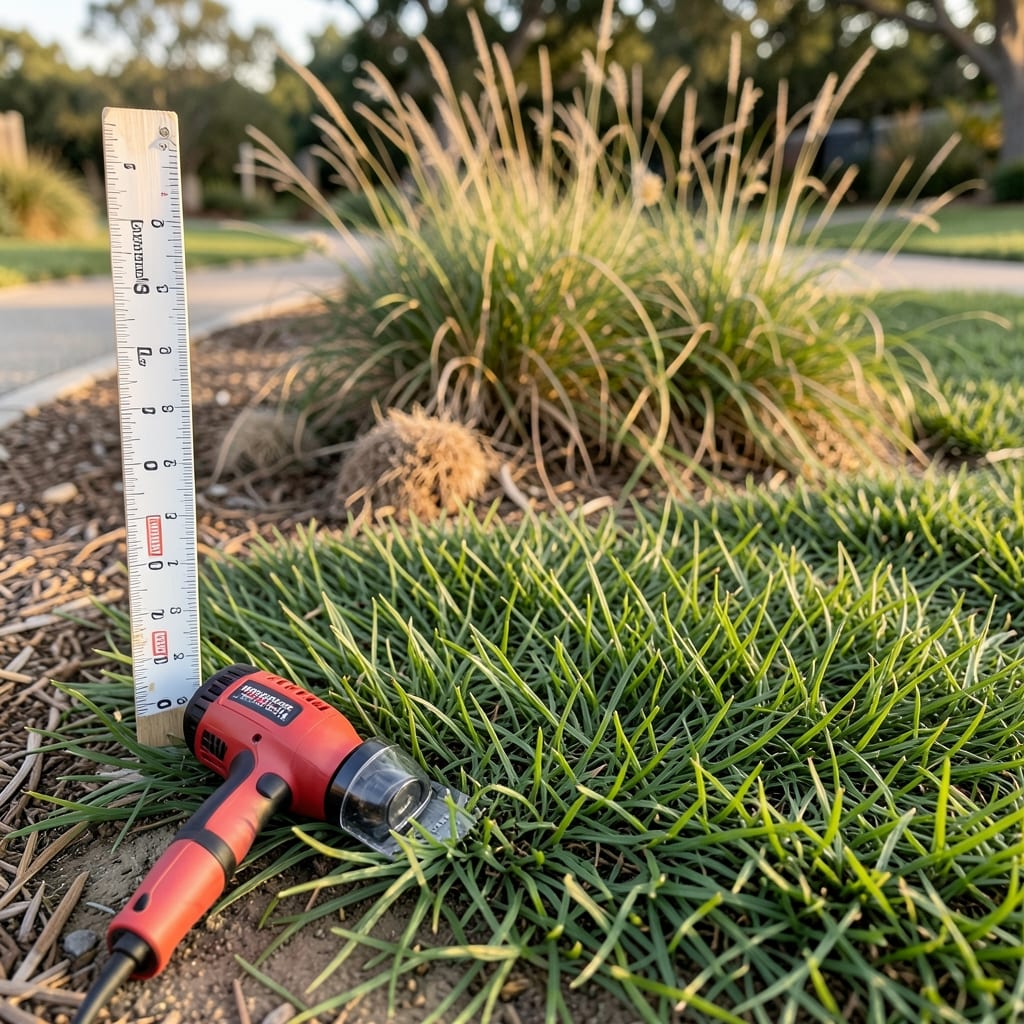
If you're wondering how tall can Bermuda grass grow before it takes over your yard, the answer might surprise you—this hardy grass can reach up to 3 feet or more if left completely unchecked! 🌱 But don’t worry, with the right care, you can easily manage its height to keep your lawn looking neat and healthy.
Bermuda grass thrives in warm climates like USDA Zone 6a and beyond, where it naturally grows taller and denser. In cooler regions, it tends to stay shorter, around 6 inches to 2 feet, but with proper sunlight and water, it can still stretch tall. The key to controlling its height lies in understanding its growth habits and seasonal changes.
Whether you're dealing with a residential lawn or a larger agricultural field, knowing how to adjust your mowing schedule can make all the difference. Some varieties even stay shorter naturally, making them perfect for low-maintenance yards. Let’s break down the factors that influence Bermuda grass height and how you can keep it at your desired level.
From climate conditions to pruning tricks, I’ll share everything you need to know to maintain a lush, manageable lawn without sacrificing its health. Ready to take control of your grass’s growth? Let’s dive in!


Natural height limits of Bermuda grass by climate Zone
Bermuda grass (Cynodon dactylon) thrives in warm climates, where its growth habits can vary dramatically. In USDA zones 9-11, it naturally reaches 1.5 to 2 feet tall when unmowed, thanks to year-round warmth and humidity. However, in zones 7-8, cooler winters slow growth, limiting height to 1 to 1.5 feet unless actively encouraged with fertilization.
This grass isn’t just tall—it’s aggressive. Without mowing, it spreads horizontally via stolons and rhizomes, creating a dense mat that can smother weeds but also invade neighboring yards. In tropical regions, its vertical growth often outpaces mower blades, while in cooler areas, it may stay shorter due to dormancy.
Key factors influencing height include temperature, soil nutrients, and water availability. For example, in Florida’s heat, Bermuda grass can grow 30% faster than in Texas’s drier climate, where drought stress keeps it shorter. Understanding these patterns helps you set realistic expectations for your lawn’s appearance.
🌱
| Climate Zone | Avg. Unmowed Height | Growth Season | Key Limiting Factor |
|---|---|---|---|
| USDA 9-11 (Tropical) | 1.5–2 ft | Year-round | Heat + Humidity |
| USDA 7-8 (Temperate) | 1–1.5 ft | Spring–Fall | Cooler Winters |
| USDA 6 (Northern Limit) | 0.5–1 ft | Summer Only | Short Growing Season |
🌡️ Note: Height varies by variety (e.g., Tifway stays shorter than Common Bermuda).
In drought-prone areas, Bermuda grass may grow 20% shorter due to water stress, while over-fertilization can spur excessive vertical growth, making it prone to fungal diseases like brown patch. Balancing these inputs is key to maintaining a healthy, manageable height without sacrificing resilience.
For example, in Arizona’s desert climate, Bermuda grass often maxes out at 1 foot tall unless irrigated heavily, while in Georgia’s humid summers, it can reach 2.5 feet if left unmowed. These differences highlight why local conditions dictate your grass’s true potential.
If you’re in a transition zone (like zone 8), expect uneven growth—tall in summer, short in winter. This variability means adjusting mowing schedules seasonally is critical. For instance, in spring, when growth resumes, mow weekly to prevent height spikes.
💧
Another critical factor is soil type. Sandy soils drain quickly, limiting root depth and thus reducing height potential by 15-20%. Conversely, clay soils retain moisture longer, encouraging taller growth but also increasing thatch buildup. Amending soil with compost can help strike a balance, ensuring your Bermuda grass grows uniformly without extreme height fluctuations.
For sports fields or high-traffic areas, taller varieties (like Midlawn) are often chosen for durability, while residential lawns typically use dwarf varieties (e.g., TifEagle) to stay 1–1.5 inches tall. The right choice depends on your climate, usage, and maintenance goals—not just the grass’s innate height.
Finally, shade tolerance plays a role. Bermuda grass struggles in low light, growing 30% shorter when shaded for more than 4 hours daily. If your lawn has trees or buildings, consider shade-tolerant alternatives like Zoysia or St. Augustine to avoid stunted growth.
✂️
Natural height limits of Bermuda grass by climate Zone
Bermuda grass (Cynodon dactylon) is a powerhouse of growth, but its maximum height depends heavily on your climate zone and seasonal conditions. In USDA Zones 7-11, where it thrives, Bermuda grass can stretch up to 3 feet tall when left unchecked—especially in tropical or subtropical regions with year-round warmth. 🌿 However, most homeowners mow it to 1-2 inches for a manicured look, which keeps it dense and weed-free.
In cooler climates (Zones 6a-6b), Bermuda grass grows shorter—typically 6-18 inches—due to shorter growing seasons and winter dormancy. The southern U.S. (Zones 8-11) sees the tallest varieties, like 'Midiron' or 'Tifway', reaching 2-3 feet without mowing. Even in these zones, drought or heat stress can stunt growth, while consistent moisture encourages taller, lusher blades.
| Climate Zone | Average Height (Unmowed) | Ideal Mowed Height | Growth Notes |
|---|---|---|---|
| USDA 6a-6b (Cool) | 6–18 inches | 1–2 inches | Dormant in winter; slower growth |
| USDA 7-8 (Warm) | 18–24 inches | 1–1.5 inches | Aggressive spread; needs frequent mowing |
| USDA 9-11 (Tropical) | 2–3 feet | 1–2 inches | Fastest growth; drought-tolerant |
🌡️ Height Tip: In Zone 10+, Bermuda grass may grow wildly—consider dwarf varieties like 'Patriot' for easier control.
Humidity also plays a role: in high-humidity zones (like Florida or Louisiana), Bermuda grass grows taller and softer, while arid climates (like Arizona) produce shorter, tougher blades. If you’re in a transition zone (Zone 7), expect 6-24 inches depending on summer heat—mowing every 5-7 days keeps it in check. 🪴
For agricultural or sports fields, taller growth (up to 4 inches) is often desired for durability, but residential lawns benefit from shorter cuts (1-1.5 inches) to prevent fungal diseases like brown patch. Always adjust your mower height in spring as growth accelerates, and never remove more than ⅓ of the blade height in one mowing to avoid stressing the grass.
If your Bermuda grass is growing unevenly—taller in shady spots and shorter in sun—it’s likely due to light deprivation. While Bermuda grass tolerates partial shade, it won’t reach its full height potential without 6+ hours of sunlight daily. In low-light areas, consider overseeding with shade-tolerant grasses like fine fescue to fill gaps.
Pro tip: In Zone 6a, where winters are harsh, Bermuda grass may turn brown and dormant but can rebound to 12-18 inches in spring if roots stay healthy. Avoid heavy foot traffic during dormancy to protect recovery. For year-round green lawns, warm-season grasses like Bermuda pair well with cool-season grasses like Kentucky bluegrass in transition zones.