
Trees
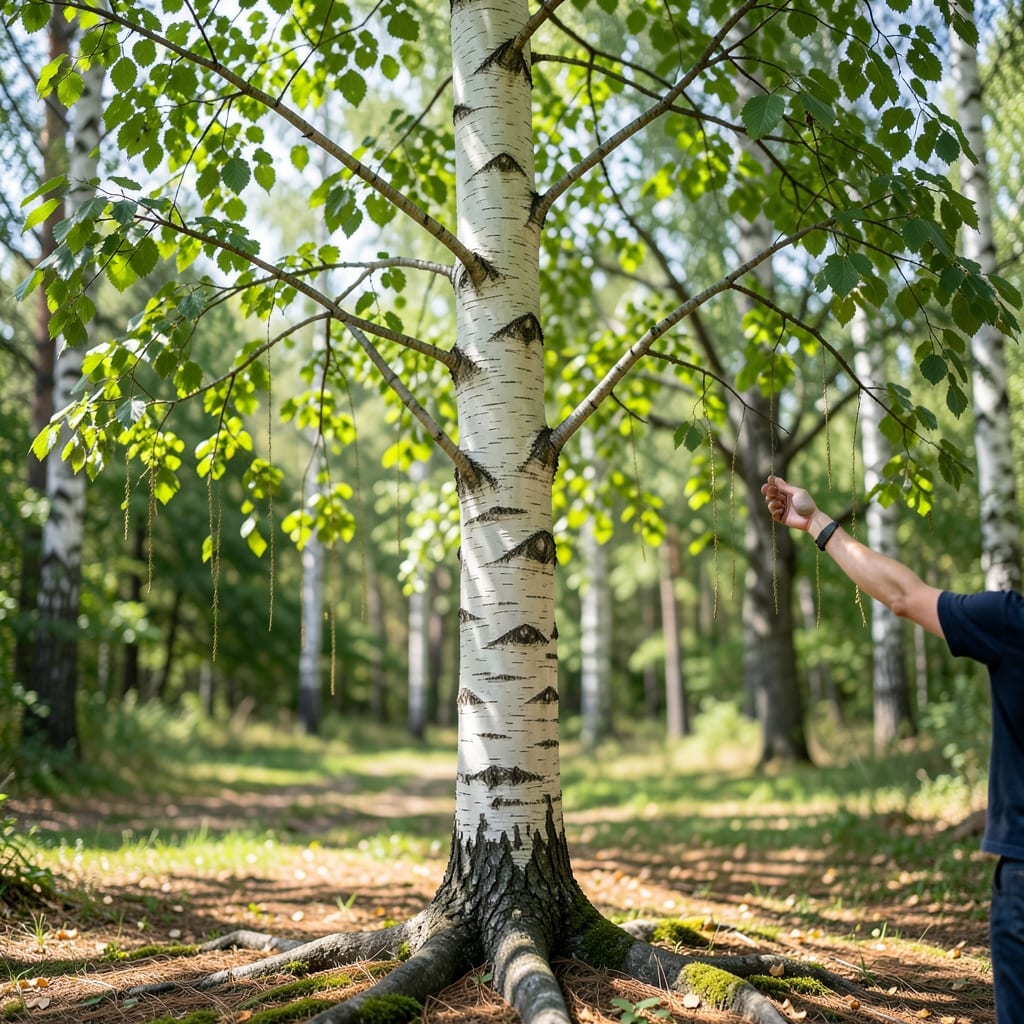
If you’ve ever wondered just how tall that graceful 🌳 birch tree in your yard could grow—or why some species stretch skyward while others stay humble—you’re in for a surprise. The answer isn’t just a number, but a fascinating range that varies wildly from under 10 feet to towering 75 feet or more, depending on the species and growing conditions.
Picture this: a river birch reaching for the clouds like a natural skyscraper, while a dwarf birch stays perfectly proportioned for a cozy garden corner. The difference isn’t just in their genes—soil quality, sunlight exposure, and even your local climate play starring roles in determining just how high these elegant trees can climb.
Whether you’re planning a backyard retreat or dreaming of a windbreak that stretches taller than your house, knowing these height variations is the key to making the right choice. Let’s break down the species, uncover the secrets behind their growth, and help you decide which birch will thrive in your space—no guesswork required.
From the fastest-growing varieties that add 3 feet per year to the slow-and-steady giants that take decades to reach their full potential, we’ll cover everything you need to know. Ready to find your perfect match?


Birch tree height by species: from dwarf varieties to towering giants
Birch trees (Betula spp.) are nature’s graceful skyscrapers, with heights ranging from stubby dwarf varieties to soaring giants that rival skyscrapers. The paper birch (Betula papyrifera) often reaches 50-70 feet, while the yellow birch (Betula alleghaniensis) can stretch up to 75 feet—taller than a 6-story building! Even their dwarf cousins like the 'Cuisinier' birch stay under 10 feet, making them perfect for small gardens.
These differences aren’t just about genetics—climate, soil quality, and sunlight play huge roles. For example, birch trees in the Pacific Northwest often grow taller due to cooler temperatures and abundant rainfall, while those in arid regions may stay shorter. Let’s explore the most dramatic height variations across popular species and what you can expect in your own yard.
🌳
🌳 Birch Tree Height Comparison
| Species | Mature Height (ft) | Growth Rate (ft/year) | Best For |
|---|---|---|---|
| Yellow Birch (Betula alleghaniensis) | 70-75 | 1-2 | Large estates, forests |
| Paper Birch (Betula papyrifera) | 50-70 | 1-1.5 | Wildlife habitats, shade trees |
| River Birch (Betula nigra) | 40-60 | 2-3 | Swamps, urban landscapes |
| Dwarf Birch (Betula pendula 'Cuisinier') | 8-10 | 0.5-1 | Rock gardens, containers |
| Columnar Birch (Betula pendula 'Fastigiata') | 20-30 | 1-1.5 | Narrow spaces, hedges |
| Gray Birch (Betula populifolia) | 20-35 | 1-2 | Wildlife corridors, small yards |
| Weeping Birch (Betula pendula 'Youngii') | 30-40 | 1-1.5 | Ornamental focal points |
The yellow birch and paper birch are the tallest, often dominating forests in the northeastern U.S. and Canada. Their height makes them ideal for wildlife habitats and large properties, but they need space—plant them at least 50 feet from structures to avoid root conflicts. Meanwhile, the dwarf birch and columnar varieties are perfect for urban gardens where space is limited.
If you’re in a dry climate, like the Southwest, expect birch trees to grow 10-20% shorter than their potential. The river birch, however, thrives in moist soils and can handle flood-prone areas, making it a great choice for landscapes near water features. For fastest growth, prioritize well-draining soil and full sun exposure—these two factors alone can add 5-10 feet to a birch’s mature height.
🌿
For gardeners in USDA Zones 3-7, the paper birch is a classic pick, while those in Zones 4-9 might prefer the river birch for
What determines a birch tree’s height? Soil, climate, and care secrets
Birch trees don’t grow to their full height potential by accident—their towering stature depends on a mix of natural conditions and thoughtful care. Unlike fast-growing willows, birches thrive when given the right soil conditions, sunlight exposure, and watering routines. Even the hardiest species, like the yellow birch, can be stunted by poor soil or overcrowding.
One of the biggest factors is soil quality. Birches prefer well-draining, slightly acidic soil (pH 4.5–6.0). Compacted or alkaline soil restricts root growth, limiting how tall your birch can become. For example, a paper birch planted in clay-heavy soil may only reach 30 feet instead of its 50-foot potential.
Climate plays a surprising role too. Birches in cooler northern climates (USDA Zones 2–6) grow taller because they have more growing seasons. Meanwhile, those in hot, dry regions may struggle to exceed 20–30 feet without extra care. Even within the same species, a river birch in Florida might top out at 40 feet, while one in Arizona could max at 30 feet.
- Overwatering: Soggy roots suffocate growth.
- Poor pruning: Cutting too late in the season stunts height.
- Competition: Nearby trees or shrubs steal nutrients.
Pruning is another critical lever. If you want a taller birch, avoid heavy pruning of the central leader. Instead, remove dead or crossing branches in late winter to encourage upward growth. For dwarf varieties like 'Cuisinier', prune annually to maintain their 10-foot height—but skip this for standard types.
Finally, watering habits matter. Young birches need deep, infrequent watering (every 7–10 days) to develop strong roots. Once established, they’re drought-tolerant, but deep soaks during dry spells keep them reaching for the sky. Mulch helps retain moisture and improves soil structure over time.
With the right conditions, even a slow-growing birch can surprise you—some yellow birches in ideal settings hit 75 feet! The key is patience and consistency. Start with the right soil prep, monitor water needs, and avoid common mistakes to unlock your birch’s full height potential.