
Shrubs
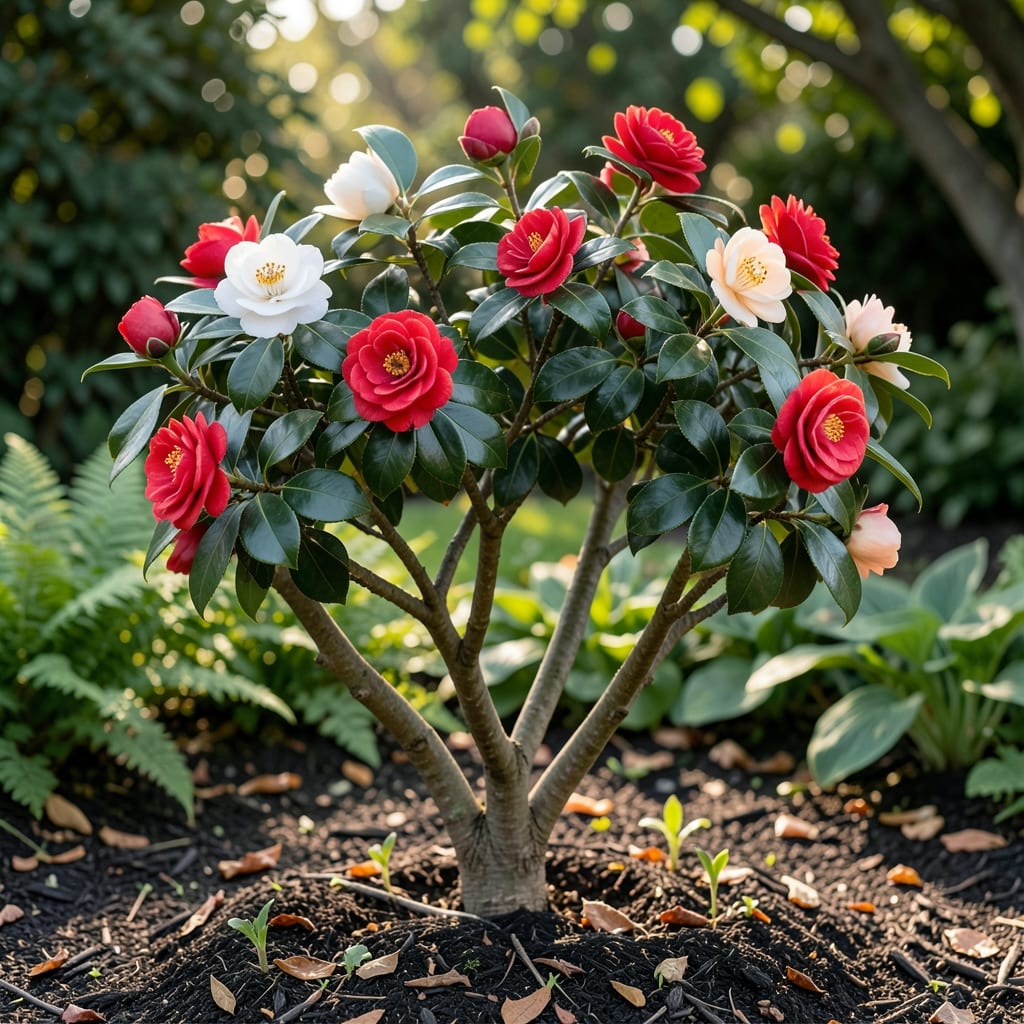
If you've ever wondered how tall camellias grow, the answer might surprise you—these elegant 🌸 shrubs can range from petite patio plants to towering small trees, depending on the variety. Whether you're planning a cozy garden corner or a dramatic backyard focal point, size matters, and choosing the right camellia makes all the difference.
Some varieties stay compact, perfect for small spaces or containers, while others grow tall enough to rival a small tree. The key lies in understanding the differences between dwarf, semi-dwarf, and standard camellias, as well as the factors that influence their growth over time.
In this guide, I’ll break down the height ranges of popular camellia types, from 3-foot dwarf varieties to 30-foot giants, and share tips on how to manage their size for your garden’s layout. Whether you're a first-time gardener or a seasoned enthusiast, you’ll learn how to pick the perfect camellia for your space.
Ready to transform your outdoor space with these stunning plants? Let’s dive into the world of camellias and find the perfect fit for your garden—no matter how big or small your vision may be.

Camellia height ranges by type: from dwarf varieties to towering giants
Camellias are one of the most versatile shrubs for gardeners, offering everything from compact ground covers to stately small trees. Their mature height can vary dramatically—some stay under 6 feet while others reach 30 feet or taller. Understanding these differences helps you choose the perfect variety for your space, whether you're designing a small urban garden or a sprawling landscape.
The height of a camellia depends on its genetic classification, which falls into four main categories: dwarf, semi-dwarf, standard, and giant varieties. Each category has distinct growth patterns, blooming habits, and care requirements. For example, a dwarf camellia might top out at 3-6 feet, while a giant variety could dwarf your entire backyard at 20-30 feet. Let’s break down what to expect from each type.
| Variety Type | Mature Height | Growth Rate | Examples |
|---|---|---|---|
| Dwarf | 3–6 ft | Slow to moderate | 'Yuki-Cherry', 'Snowdrift' |
| Semi-Dwarf | 6–12 ft | Moderate | 'Kiri no Yama', 'Spring’s Promise' |
| Standard | 12–20 ft | Moderate to fast | 'Desire', 'Nuccio’s Gem' |
| Giant | 20–30+ ft | Fast | 'Camellia japonica' (wild types), 'Camellia sasanqua' (some varieties) |
Dwarf camellias, like 'Yuki-Cherry', are ideal for container gardening or small foundation plantings. They typically mature between 3 and 6 feet and grow at a slow to moderate pace, making them perfect for gardeners with limited space. These varieties often bloom profusely with large, showy flowers relative to their size, offering year-round interest in milder climates.
Semi-dwarf varieties strike a balance, reaching 6 to 12 feet at maturity. Examples like 'Kiri no Yama' are popular for hedges or specimen plants in medium-sized gardens. They grow at a moderate rate and often produce clusters of blooms, making them a favorite for seasonal color. These camellias are also easier to prune for shape control compared to their taller counterparts.
Standard camellias, such as 'Desire', can grow 12 to 20 feet tall and are better suited for larger landscapes or as focal points. Their faster growth rate means they’ll fill out your garden quicker, but they require more space and regular pruning to maintain their shape. These varieties are often used as specimen plants or privacy screens in suburban or rural settings.
Giant camellias, including some wild-type Camellia japonica and certain Camellia sasanqua varieties, can reach 20 to 30 feet or more. These are the tallest camellias and grow at a fast pace, making them suitable for woodland gardens, large estates, or as small trees. If you’re considering a giant variety, plan for long-term growth and ensure you have enough space to accommodate their mature size.
Another key factor in camellia height is their growth timeline. Most camellias grow 1 to 2 feet per year in their early years, with growth slowing as they mature. For example, a 6-foot dwarf variety might take 3 to 5 years to reach maturity, while a 20-foot standard variety could take 10 to 15 years. Understanding this timeline helps you plan for long-term landscaping goals and avoid overcrowding.
If you’re unsure which size to choose, consider your garden layout and maintenance preferences. Dwarf and semi-dwarf varieties are easier to care for and require less frequent pruning, while taller varieties offer dramatic height and structure but need more space and upkeep. For example, a 6-foot camellia can serve as a privacy screen along a fence, while a 20-foot variety could become the centerpiece of your backyard.
Pro tip: Always check the specific variety’s tags or grower notes for exact height expectations, as some camellias can exceed their listed ranges depending on growing conditions. For instance, 'Nuccio’s Gem' is typically listed as a 12-foot standard, but with ideal care, it can grow taller. Your local nursery or extension office can also provide insights tailored to your climate.
🌸
Why some camellias grow tall while others stay small: the science behind size
Camellias aren't one-size-fits-all plants—their height differences come down to genetics, root systems, and how you care for them. Some varieties like Camellia japonica can grow into 20-foot trees, while others like 'Yuki-Cherry' stay under 6 feet. The key lies in their genetic growth habits and how you nurture them.
Genetics play the biggest role—dwarf varieties have naturally slower growth rates due to their compact root systems. These plants produce fewer growth hormones, keeping them smaller. Meanwhile, standard varieties have aggressive root systems that push them toward tree-like heights over time.
Environmental factors also shape their size. Full sun exposure can accelerate growth, while partial shade keeps them more compact. Poor soil drainage or nutrient deficiencies stunt growth, while rich, acidic soil (pH 5.0-6.0) encourages healthy, vigorous plants.
🌱 Pruning habits dramatically influence height—regular pruning keeps semi-dwarf varieties under control, while neglect can turn a 6-foot shrub into a 12-foot monster. Even container-grown camellias stay smaller because their root-bound conditions limit upward growth.
The 'Yuletide' camellia stays under 4 feet naturally, while 'Donation' can reach 15 feet without pruning. The difference? 'Yuletide' has a dwarf gene that limits its growth hormones.
Climate also matters—warmer zones (8-10) allow camellias to grow faster, while cooler zones (6-7) slow their growth. In colder climates, winter dormancy pauses growth entirely, keeping plants smaller until spring.
To control height naturally, focus on soil health, pruning timing (late winter/early spring), and container limitations. Even tall varieties can be managed with proper care—just choose the right root space and pruning strategy for your garden's needs.
For maximum blooms in compact spaces, opt for dwarf hybrids like 'Spring's Promise' (5 feet) or 'Cuzco' (6 feet). These stay manageable while still delivering showstopping flowers year after year.