
Trees
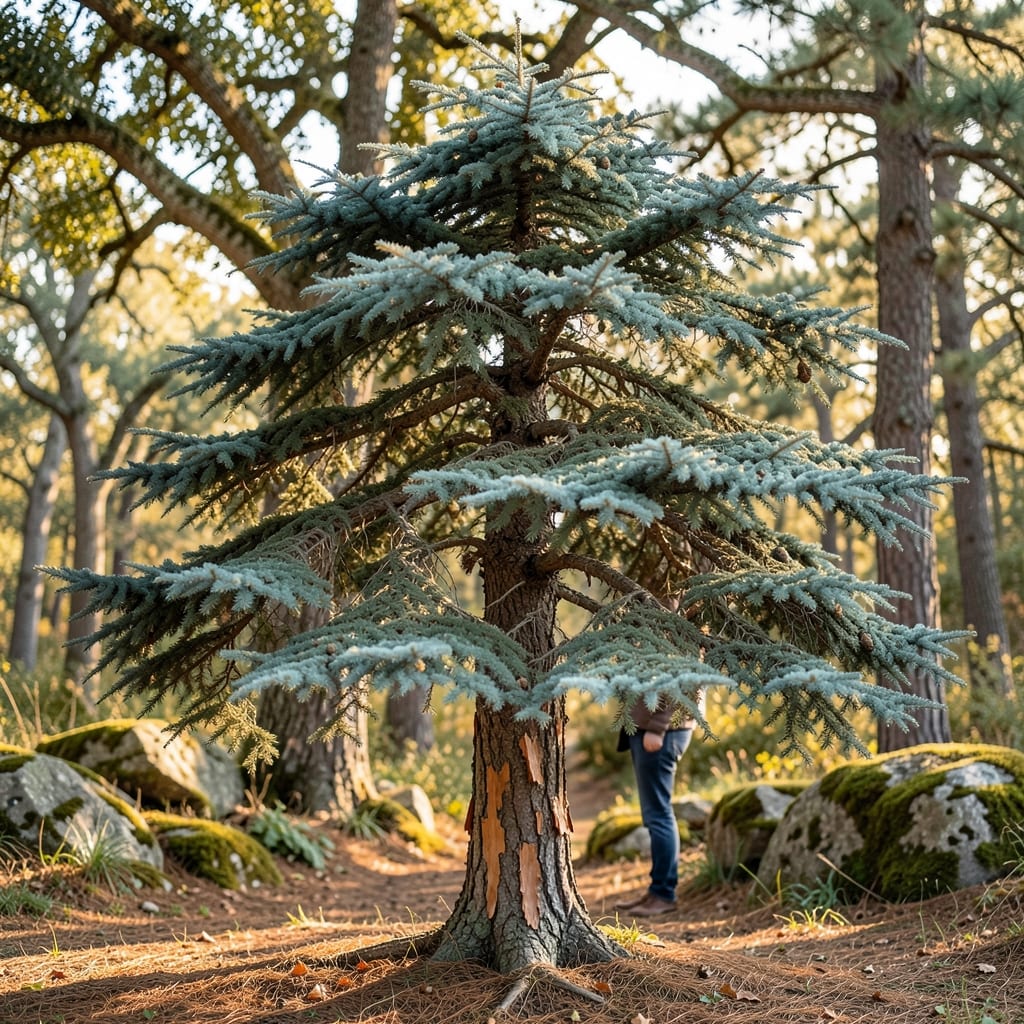
If you're wondering how tall can cedar trees grow, you're not alone—this is the first question many homeowners ask before planting. 🌲 These evergreen giants can range from modest shrubs to towering sentinels, depending on the species and growing conditions. Whether you're planning a privacy hedge or a statement piece for your yard, knowing the potential height of your cedar tree is crucial for long-term landscaping success.
Some cedar varieties, like the majestic Deodar Cedar, can stretch over 100 feet in ideal conditions, while others, such as the compact ‘Emerald Green’ Arborvitae, max out at just 12–15 feet. The difference isn’t just about genetics—soil quality, sunlight exposure, and even your local climate play a huge role in how tall your cedar tree will grow.
In this guide, I’ll break down the height ranges for popular cedar species, including how factors like USDA Zone 6a and seasonal care can influence their growth. You’ll also discover which varieties are best suited for small spaces versus large landscapes, so you can make an informed decision before planting in spring.
Ready to transform your outdoor space with a cedar tree that fits perfectly? Let’s explore the heights, growth tips, and landscaping secrets to help you choose the right variety for your needs.


Cedar tree height by species: from dwarf varieties to towering giants
When planning your landscape, understanding cedar tree height by species is key to avoiding surprises. 🌲 Some varieties grow tall enough to rival skyscrapers, while others stay manageable for small yards. Let’s explore the height ranges of the most popular cedar species, including their growth rates and mature sizes, so you can pick the perfect fit for your space.
The Eastern Red Cedar is one of the most common choices, typically reaching 30–40 feet at maturity. It’s a versatile option for privacy screens and wildlife habitats, thanks to its dense foliage and adaptability to various soil types. In ideal conditions, it can even stretch up to 50 feet, making it a bold statement piece for larger properties.
Atlantic White Cedar, also known as swamp cedar, is another standout, with heights ranging from 65–80 feet. This species thrives in wetter climates and is often found in swamps or near ponds, but it can also adapt to drier conditions if given proper care. Its towering presence makes it ideal for creating a natural, majestic backdrop in larger landscapes.
For those with limited space, the Deodar Cedar might seem like an odd choice—it’s one of the tallest, often exceeding 100 feet in its native habitat. However, its striking, weeping branches and aromatic foliage make it a prized ornamental tree, even if it requires ample room to thrive. If you’re dreaming of a grand, old-world feel, this is the cedar for you.
Now, let’s dive into a detailed comparison of cedar species, including their mature heights, growth rates, and ideal growing conditions. This will help you decide which variety aligns best with your vision and space constraints.
| Species | Mature Height (ft) | Growth Rate | Ideal Conditions |
|---|---|---|---|
| Eastern Red Cedar | 30–50 ft | Moderate (1–2 ft/year) | Full sun, well-draining soil |
| Atlantic White Cedar | 65–80 ft | Slow to moderate (0.5–1.5 ft/year) | Moist, acidic soil, partial shade |
| Deodar Cedar | 100+ ft | Slow (0.5–1 ft/year) | Full sun, well-draining soil |
| Blue Atlas Cedar | 40–60 ft | Moderate (1–2 ft/year) | Full sun, drought-tolerant |
| ‘Emerald Green’ Arborvitae | 12–15 ft | Slow (6–12 inches/year) | Full sun to partial shade |
| ‘Glauca’ Blue Atlas Cedar | 40–60 ft | Moderate (1–2 ft/year) | Full sun, well-draining soil |
| ‘Aurea’ Golden Cedar | 15–20 ft | Slow (6–12 inches/year) | Full sun, moist soil |
The Blue Atlas Cedar is another favorite for its striking blue-green foliage and moderate height of 40–60 feet. It’s incredibly drought-tolerant and thrives in full sun, making it a low-maintenance option for dry climates. Its upright growth habit and dense branches also make it a great choice for windbreaks and privacy screens.
If you’re working with limited space, consider the ‘Emerald Green’ Arborvitae, which tops out at just 12–15 feet. This compact evergreen is perfect for small yards, foundation plantings, or even large containers. Its slow growth rate means you won’t need to prune it often, making it a hassle-free addition to any landscape.
For a touch of color, the ‘Aurea’ Golden Cedar offers vibrant yellow-green foliage and a more manageable height of 15–20 feet. It’s ideal for adding a pop of color to your garden while keeping a smaller footprint. This variety also thrives in full
Best cedar trees for small yards vs. large landscapes: height and space considerations
Choosing the right cedar tree for your space is all about balancing height potential and yard size. 🌿 If you have limited space, compact varieties like the ‘Emerald Green’ Arborvitae (12–15 feet) or ‘Dwarf Blue Star Juniper’ (3–5 feet) are perfect for small yards, hedges, or container gardening. These varieties grow slowly, making them ideal for tight spots without overwhelming your landscape.
For larger properties, consider bold statement-makers like the ‘Glauca’ Blue Atlas Cedar (40–60 feet) or Eastern Red Cedar (30–40 feet). These towering trees create natural privacy screens or focal points in spacious backyards. The key is spacing—plant these giants at least 10–15 feet from structures to avoid root or branch interference as they mature.
Here’s how to match your cedar to your space:
| Variety | Mature Height | Best For | Spacing Needs |
|---|---|---|---|
| ‘Emerald Green’ Arborvitae | 12–15 ft | Small yards, hedges, containers | 3–5 ft apart |
| ‘Dwarf Blue Star Juniper’ | 3–5 ft | Rock gardens, borders, pots | 2–3 ft apart |
| ‘Glauca’ Blue Atlas Cedar | 40–60 ft | Privacy screens, large landscapes | 15–20 ft apart |
| Eastern Red Cedar | 30–40 ft | Wildlife habitats, windbreaks | 10–12 ft apart |
Pruning plays a critical role in managing height, especially for varieties prone to overgrowth. 🪴 For example, Eastern Red Cedar can be pruned annually to maintain a more compact shape, while ‘Emerald Green’ Arborvitae benefits from light shaping in early spring. Always use clean, sharp tools to avoid disease and encourage healthy growth.
If you’re unsure about spacing, err on the side of caution—cedar trees have deep root systems that can spread 2–3 times their canopy width. For instance, a 40-foot-tall cedar may need 80–120 feet of root space, so plan accordingly to avoid future crowding or competition with other plants.
For small spaces, consider container-growing dwarf varieties like the ‘Blue Rug’ Juniper (2–3 feet tall). These thrive in pots and can be moved seasonally to brighten patios or balconies. Just ensure the container has drainage holes and use a well-draining potting mix to prevent root rot.
Ultimately, the best cedar for your space depends on your vision—whether you want a cozy, intimate garden or a grand, towering backdrop. Start with the right variety, give it room to grow, and enjoy the year-round greenery it brings! 🌳