
Size
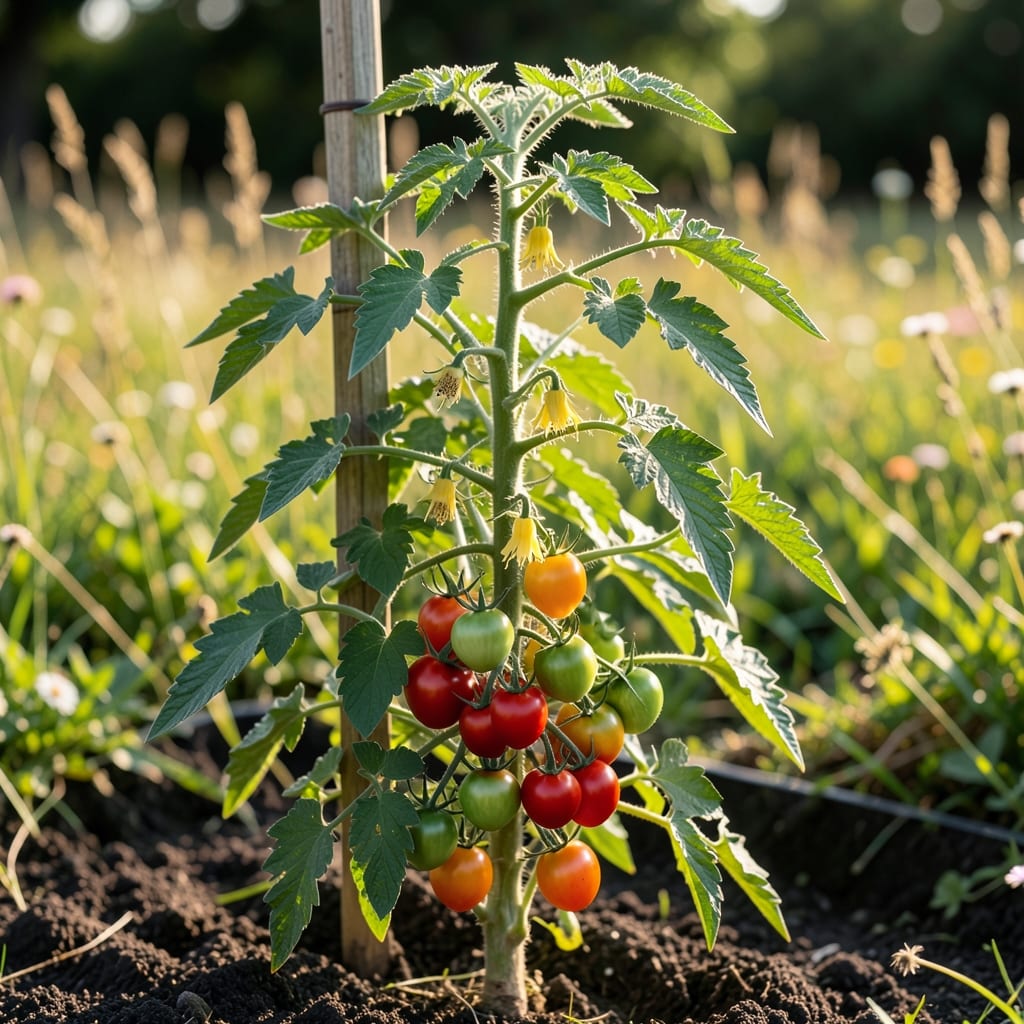
How tall can cherry tomato plants grow? The answer might surprise you—these 🍅-packed plants can stretch from barely taller than a coffee mug to towering over your head like a jungle vine. Whether you're planning a cozy container garden or dreaming of a vertical harvest, understanding your variety's growth potential is the key to success.
Not all cherry tomatoes play by the same rules. Some varieties stay neatly compact at just 2-3 feet, perfect for small spaces, while others reach 6-10 feet if left unchecked—imagine that climbing your porch railing! The difference comes down to genetics, growing conditions, and a little help from pruning or support structures.
If you're wondering whether your plants need trellises or cages, or how to keep them from sprawling everywhere, you're in the right place. I'll break down the science behind cherry tomato heights and share practical tips to manage growth—whether you want bushy plants or sky-high vines. Let's get growing!
From dwarf varieties that fit on windowsills to indeterminate giants that need serious support, your garden's vertical potential is limited only by what you choose to plant. Ready to transform your space into a cherry tomato jungle—or keep it neatly contained? Let's explore the possibilities together.


Cherry tomato plant height by variety: from dwarf to towering giants
Understanding cherry tomato plant height starts with the variety you choose—because not all 🍅 plants are created equal. Some stay neatly compact, while others grow like jungle vines, reaching heights that will make you reconsider your balcony railing. The key difference lies in whether your cherry tomatoes are determinate (bush-type) or indeterminate (vining). Let me break down the spectrum so you can pick the perfect fit for your space.
Determinate varieties are the short-statured superstars of cherry tomatoes, typically maxing out at 2-4 feet. These are the ideal choices for containers, small gardens, or anyone who prefers a neat, low-maintenance plant. Indeterminate varieties, on the other hand, are the vertical adventurers, capable of growing 6-10 feet tall if given the right conditions—and sometimes even more if left unchecked. The good news? With proper support and pruning, you can guide their growth to match your garden’s layout.
Here’s the game-changer: even within determinate or indeterminate categories, variety-specific growth habits can vary wildly. For example, the 'Tiny Tim' cherry tomato stays under 18 inches, perfect for windowsills, while 'Sweet Million' indeterminate plants can climb 10 feet or higher if trellised. Your choice of variety isn’t just about height—it’s about yield potential, disease resistance, and how much space you’re willing to dedicate to these sun-loving plants.
Now, let’s talk about support structures, because even the shortest cherry tomato plant benefits from a little help. Dwarf varieties might only need small cages or sturdy stakes, while indeterminate giants will thrive on trellises, tomato towers, or even sturdy fences. The right support doesn’t just keep plants upright—it maximizes airflow, reduces disease risk, and makes harvesting easier. Plus, a well-supported plant is a happy, productive plant.
| Variety | Type | Mature Height | Support Needed | Best For |
|---|---|---|---|---|
| 'Tiny Tim' | Determinate | 12-18" | Small cage or stake | Containers, windowsills |
| 'Patio Princess' | Determinate | 2-3 ft | Medium cage | Balconies, small gardens |
| 'Sweet 100' | Indeterminate | 4-6 ft | Trellis or stakes | Vertical gardens, fences |
| 'Sweet Million' | Indeterminate | 6-10+ ft | Strong trellis or tower | Large gardens, pergolas |
| 'Micro Tom' | Determinate | 10-12" | None or small stake | Indoor growing, tiny spaces |
| 'Sun Gold' | Indeterminate | 5-8 ft | Trellis or cage | Vertical space, high yields |
Choosing the right variety isn’t just about height—it’s about how you want to use your space. If you’re working with limited square footage, dwarf or semi-dwarf
Cherry tomato plant height by variety: from dwarf to towering giants
Cherry tomato varieties come in all shapes and sizes, but their height potential can vary dramatically—some stay as short as 18 inches while others reach 10 feet or more if left unchecked. The key difference lies in their growth habits: determinate (bush) varieties stay compact, while indeterminate (vining) types grow continuously until frost. Choosing the right variety for your space is the first step to managing height and maximizing yield.
For small gardens or containers, dwarf cherry tomatoes like 'Tiny Tim' or 'Micro Tom' top out at just 12-24 inches, making them perfect for windowsills or balcony planters. These varieties produce abundant fruit without needing support, but their smaller size means lower overall yields. On the other end of the spectrum, indeterminate giants like 'Sweet Million' or 'Black Cherry' can climb 8-10 feet if given proper trellising and care.
Here’s how to match your space and goals with the right variety:
| Variety Type | Height Range | Growth Habit | Support Needed | Best For |
|---|---|---|---|---|
| Dwarf (e.g., 'Tiny Tim') | 12–24" | Determinate | None (or small cage) | Containers, small spaces |
| Semi-Dwarf (e.g., 'Balcony Red') | 24–36" | Determinate | Small stake or cage | Balconies, raised beds |
| Medium (e.g., 'Sweet 100') | 36–48" | Indeterminate | Trellis or tall cage | In-ground gardens |
| Tall (e.g., 'Sweet Million') | 6–10 ft | Indeterminate | Strong trellis or fence | Vertical gardens, large spaces |
If you’re growing indeterminate varieties, their height isn’t just a matter of genetics—it’s also influenced by pruning and training. Without intervention, these plants can become unruly, sprawling across your garden like an unchecked vine. But with the right support structures (like sturdy trellises or cages), you can guide their growth vertically, saving space and improving airflow to reduce disease risk.
For determinate varieties, height is more predictable, but overcrowding can still lead to taller-than-expected growth as plants compete for sunlight. Thinning seedlings early and providing adequate spacing (typically 18–24 inches apart) helps maintain their compact form. Even these bushy types benefit from light staking to prevent fruit rot from touching the soil.
Pro tip: If you love the idea of tall cherry tomatoes but lack vertical space, consider espalier training. This technique flattens vines against a wall or fence, creating a decorative and space-efficient harvest. It’s perfect for urban gardens or small patios where traditional trellises won’t fit.