
Size
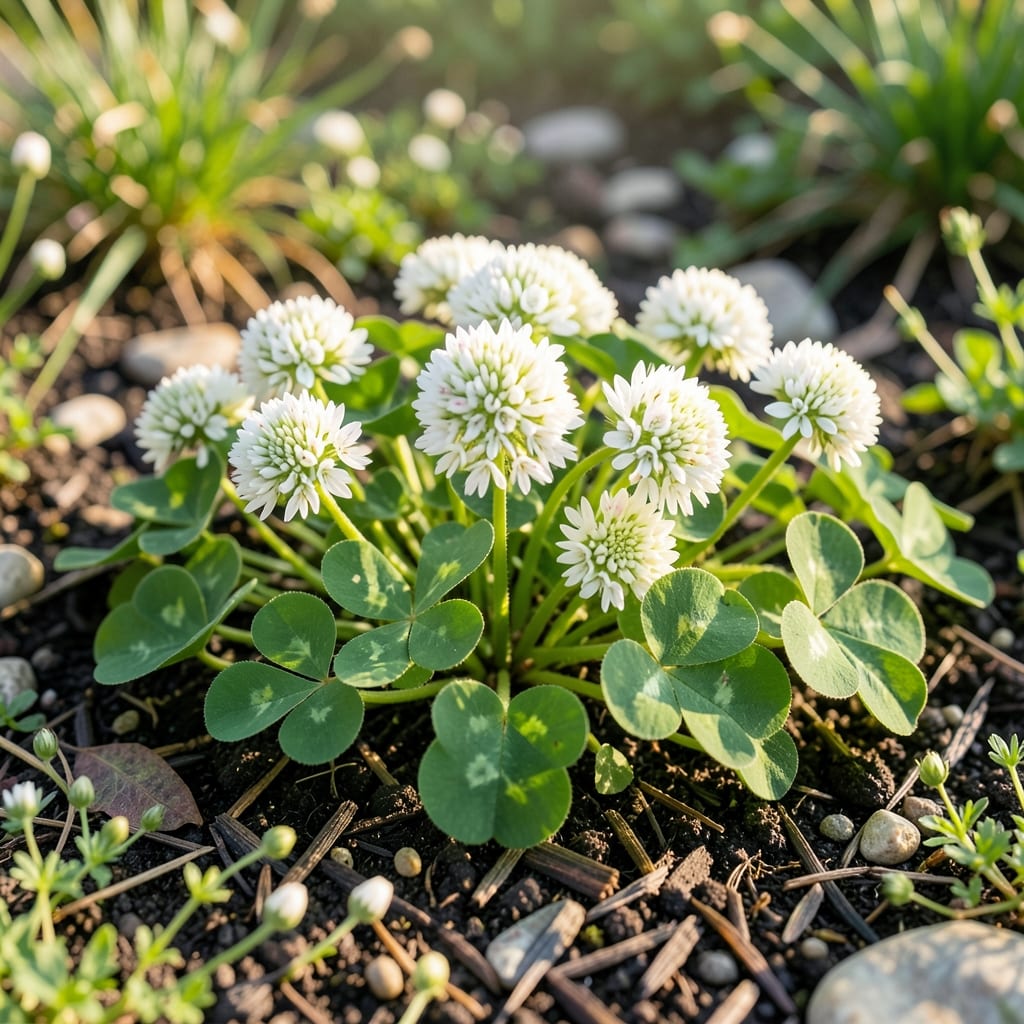
If you’ve ever wondered how tall clover can grow before it turns into an unruly weed, the answer depends entirely on the variety you choose. The truth is, it can range from barely an inch high to towering over your ankles—depending on whether you’re growing white clover, red clover, or another type.
For most home gardeners, clover stays low and manageable, especially when planted as a ground cover or in small lawns. Varieties like Dutch clover rarely exceed 6 inches, making them perfect for tight spaces or even containers. But if you’re dealing with red clover or alsike clover, you might see stems reaching 12-18 inches under ideal conditions.
The key to controlling clover height lies in a few simple factors: sunlight, soil quality, and how often you mow. Too much sun or neglect can send clover shooting upward, while regular trimming keeps it compact. Whether you’re aiming for a lush green lawn or a wildflower meadow, understanding these basics will help you get the look you want.
Let’s break down the differences between dwarf and giant clover varieties so you can pick the perfect fit for your space—and keep it from taking over your yard!


Clover height by variety: dwarf vs giant species explained
Clover isn’t just one plant—it’s a family with dramatic height differences depending on the species. Some varieties stay ground-hugging at just 1-3 inches, while others can shoot up to 3 feet or more under ideal conditions. The key difference? Growth habit—whether the plant spreads horizontally or grows vertically. Let’s explore the tallest and shortest clover varieties you’ll encounter in gardens and lawns.
White clover (Trifolium repens) is the most common lawn variety and stays low, rarely exceeding 4-6 inches tall. Its creeping stems spread widely instead of growing upward, making it perfect for ground covers. Meanwhile, red clover (Trifolium pratense) can reach 12-24 inches when mature, with erect stems that form dense clusters. These differences matter if you’re choosing clover for erosion control or pollinator gardens.
Alsike clover (Trifolium hybridum) and crimson clover (Trifolium incarnatum) are the tallest clover varieties, often growing 2-3 feet tall when left uncut. These types are popular in pastures and meadows because their height supports pollinators like bees. Dutch white clover (Trifolium repens var. sativum), however, stays under 6 inches—ideal for urban gardens where space is limited.
Here’s how these varieties compare in real-world settings:
| Variety | Mature Height | Growth Habit | Best For |
|---|---|---|---|
| White Clover | 1–6 inches | Creeping, low-spreading | Lawns, ground cover, urban gardens |
| Red Clover | 12–24 inches | Erect, clumping | Pollinator gardens, pastures, erosion control |
| Alsike Clover | 24–36 inches | Tall, upright stems | Meadows, livestock forage, wildflower mixes |
| Crimson Clover | 20–30 inches | Bushy, semi-upright | Winter cover crops, pollinator habitats |
| Dutch White Clover | 3–6 inches | Prostrate, dense mat | Small lawns, containers, high-traffic areas |
If you’re growing clover for aesthetic lawn coverage, stick with white or Dutch clover—their low profiles blend seamlessly into grass. For pollinators or wildlife, taller varieties like red or alsike clover provide essential nectar and shelter. Just remember: uncontrolled growth can turn a pretty garden into an overgrown mess, so regular mowing or trimming is key for taller types.
Another critical factor? Soil conditions. Rich, well-drained soil encourages taller growth, while poor or compacted soil can stunt even the hardiest clover varieties. For example, red clover in nutrient-poor soil might only reach 8-12 inches, whereas the same plant in compost-amended beds can hit 2 feet. Always test your soil before planting to avoid surprises.
For small spaces, like balcony containers or between stepping stones, choose micro clover varieties (e.g., 'Titan' white clover), which max out at 2-3 inches. These are perfect for pollinator-friendly edging or filling gaps in rock gardens. In contrast, large fields or meadows benefit from taller clovers like alsike, which can reach 3 feet and create a lush, bee-friendly landscape.
Pro tip: If you’re mixing clover with grass, opt for low-growing types to avoid a patchy, uneven lawn. Taller clovers like red or crimson will dominate the space and may require selective mowing to keep them in check. Always match the clover’s height to your design goals—whether that’s a neat lawn or a wildflower meadow.
🌱
What determines how tall your clover grows? Key factors
Clover’s height isn’t set in stone—it’s shaped by a mix of environmental conditions and your care habits. The sunlight your clover receives plays a huge role: too much can stretch stems toward the sky, while partial shade keeps it compact. In full sun, red clover might reach 18 inches, but in dappled light, it stays closer to 6 inches.
Another critical factor is soil quality. Rich, nitrogen-packed soil fuels rapid growth, while poor or sandy soil slows it down. If your clover seems stunted, test your soil’s pH—most clovers thrive in 6.0-7.0 range. Amending with compost can boost height potential, especially for varieties like alsike clover.
Your watering habits also influence height. Too much water can lead to leggy, weak stems, while consistent moisture helps clover grow thick and sturdy. Dutch clover, for example, stays under 6 inches when watered moderately but can sprawl if overwatered. Always water at the base to avoid wetting the leaves, which can encourage fungal growth and stunted development.
Finally, mowing frequency is the easiest way to control clover height. Regular trimming—every 2-4 weeks—keeps most varieties under 4 inches. If you skip mowing, clover will bolt, sending up tall flower stalks (up to 18 inches for red clover) to spread seeds. This is especially true in late summer when clover senses shorter daylight hours.
Climate also plays a role: in cooler regions like USDA Zones 3-5, clover grows slower and stays shorter, while in warmer zones (6-9), it thrives and can reach its full height potential. If you’re in a humid area, watch for powdery mildew, which can weaken stems and reduce height.
By tweaking just a few of these factors—like adding shade or mowing more often—you can keep even the tallest clover varieties in check. The key is consistency: clover adapts quickly to your care routine, so once you find the right balance, your clover’s height will stay predictable year after year. 🌿