
Flowers
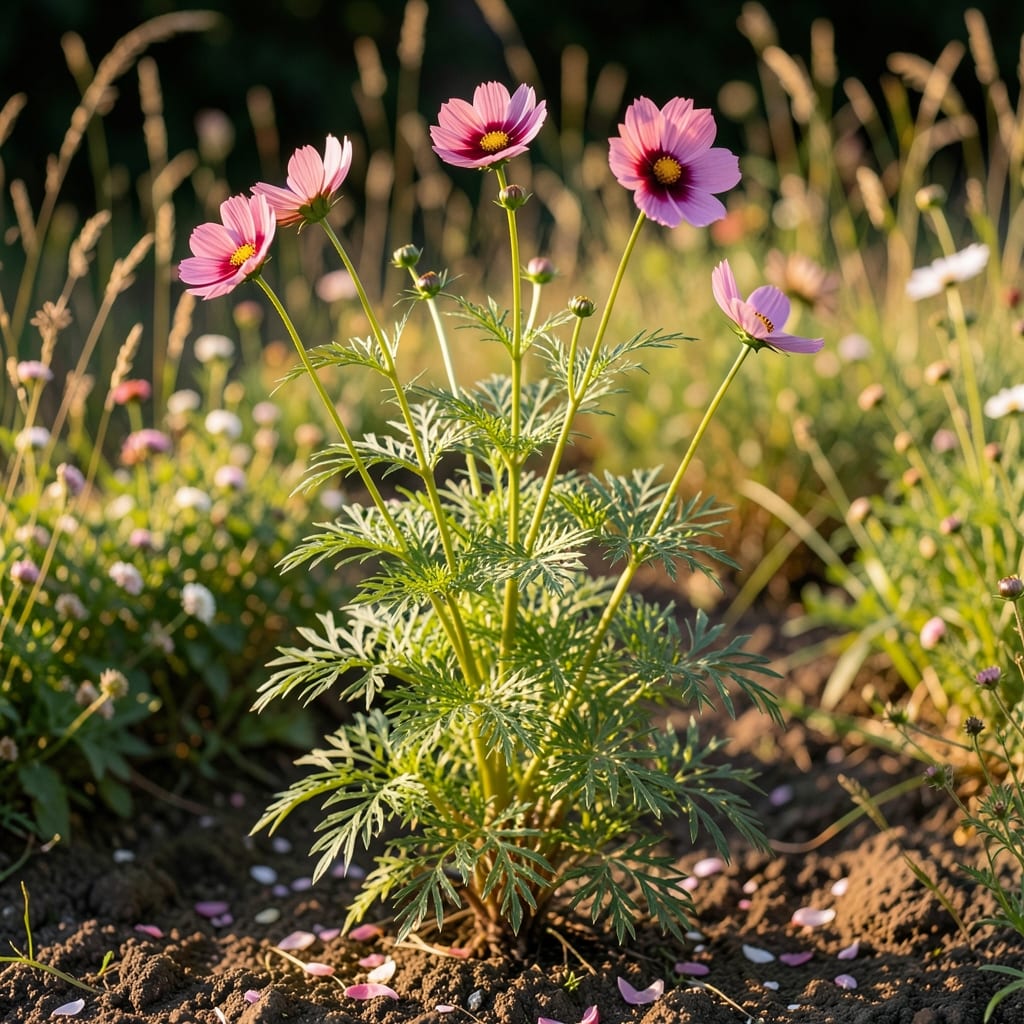
If you’ve ever wondered how tall can cosmos grow in your garden, the answer might surprise you—these effortless blooms can stretch from delicate 1-foot dwarfs to towering 6-foot giants, all from the same family! The key lies in choosing the right variety and giving them the perfect growing conditions.
Picture this: a sunny summer day with cosmos swaying in your garden, their airy petals dancing in the breeze. Some varieties, like the classic Cosmos bipinnatus, reach heights of 4-6 feet, while others stay compact at just 1-2 feet. Whether you’re designing a border or filling a vase, there’s a cosmos height for every space.
But here’s the secret: sunlight, soil, and a little pruning can push your cosmos to new heights—or keep them neatly contained. I’ll break down the best varieties for your garden, how to coax extra growth (or keep them short), and the simple tricks to make your cosmos thrive all season long.
Ready to transform your garden with these easy-care beauties? Let’s dive into the height secrets of cosmos and learn how to grow them exactly the way you want—whether you dream of towering blooms or neat, low-maintenance borders.


Cosmos height by variety: tallest and shortest cultivars compared
Cosmos plants are famous for their effortless height, but not all varieties reach the same towering glory. The Cosmos bipinnatus group—like the beloved ‘Bright Lights’—typically grows 3 to 5 feet tall, while dwarf varieties like ‘Purity’ stay under 2 feet. Even within the same species, growing conditions can push heights up or down by 1 to 2 feet.
For cut-flower gardens, taller cosmos like ‘Cosmos bipinnatus ‘Sensation Mixed’ (4–6 ft) create dramatic backdrops, while ‘Cosmos sulphureus ‘Sunset’ (3–5 ft) adds sunshine-yellow blooms without overwhelming borders. If space is limited, ‘Cosmos bipinnatus ‘Dwarf Mix’ (1–2 ft) fits perfectly in container gardens or rockeries.
Here’s how popular cosmos varieties stack up in height—plus tips for choosing the right one for your garden’s layout.
| Variety | Mature Height | Best For | Notes |
|---|---|---|---|
| Cosmos bipinnatus ‘Bright Lights’ | 3–5 ft | Cut flowers, borders | Classic pink/purple/white blooms; self-seeds easily. |
| Cosmos bipinnatus ‘Sensation Mixed’ | 4–6 ft | Tall backdrops, floral arrangements | Extra-tall; needs staking for windy areas. |
| Cosmos bipinnatus ‘Dwarf Mix’ | 1–2 ft | Containers, rock gardens | Compact; ideal for small spaces. |
| Cosmos sulphureus ‘Sunset’ | 3–5 ft | Drought-resistant borders | Heat-loving; golden-orange blooms. |
| Cosmos bipinnatus ‘Purity’ | 2–3 ft | Pollinator gardens | Pure white flowers; attracts bees. |
Pro tip: If you love tall cosmos but lack space, try ‘Sensation Mixed’ in containers—just ensure pots are 12+ inches deep to support their roots. For low-maintenance borders, ‘Dwarf Mix’ thrives with minimal care and zero staking.
Another height hack? Plant ‘Bright Lights’ alongside sunflowers—their similar bloom times create a stunning vertical display without competing for nutrients. Just space them 18 inches apart to avoid overcrowding.
For cut-flower enthusiasts, prioritize ‘Sensation Mixed’ or ‘Sunset’—their extra height yields longer stems (up to 36 inches) for vase arrangements. Harvest stems when 2/3 of blooms open to extend their life.
Remember: Even dwarf cosmos can stretch taller with rich soil and full sun. Test your garden’s conditions by planting a mix of heights—you might discover a surprise giant in your ‘Purity’ variety!
What controls cosmos height? 5 Key growing conditions
Sunlight is the #1 factor determining how tall cosmos grow. These sun-lovers need 6+ hours of direct light daily to reach their full height potential. In shadier spots, they’ll stay shorter—sometimes as much as 2 feet less—and produce fewer blooms. I’ve seen ‘Sensation’ cosmos hit 5 feet in full sun but barely top 3 feet in partial shade.
Soil nutrients play a surprising role too. While cosmos thrive in poor soil, adding a balanced fertilizer (5-10-10) every 4-6 weeks can boost height by 1-2 feet. I always mix compost into planting holes for my tallest varieties—it’s like giving them a growth steroid without overfeeding. Too much nitrogen, though, and you’ll get lush foliage but stunted blooms.
Pruning habits dramatically alter height. I’ve trained ‘Seashells’ cosmos to reach 6 feet by removing side shoots and letting one main stem grow. For shorter cosmos, I pinch back the tips when plants hit 6 inches—this forces them to branch out instead of shooting upward. The key is timing: prune in early summer for compact growth or late summer to encourage height.
Watering patterns also matter. While cosmos are drought-tolerant, inconsistent moisture leads to uneven growth. I water mine deeply once a week in summer, always in the morning to prevent fungal issues. Overwatering causes weak stems that flop over—especially problematic for tall varieties like ‘Cosmic Orange’, which can topple without support.
Don’t overlook your climate zone. In USDA zones 7-10, cosmos often hit their full 4-6 foot potential. But in cooler zones (3-6), they may only reach 2-4 feet without extra care. I’ve had success in zone 5 by starting seeds indoors and transplanting after the last frost—giving them a 2-week head start makes a noticeable difference in mature height.
For the tallest cosmos, combine these factors: full sun, well-draining soil, regular deadheading, and proper spacing. My ‘Double Click’ cosmos regularly hit 5.5 feet when I follow this formula. Even in small spaces, you can grow cosmos—just choose dwarf varieties like ‘Peppermint Twist’ (1-2 feet) for containers or borders.