
Size
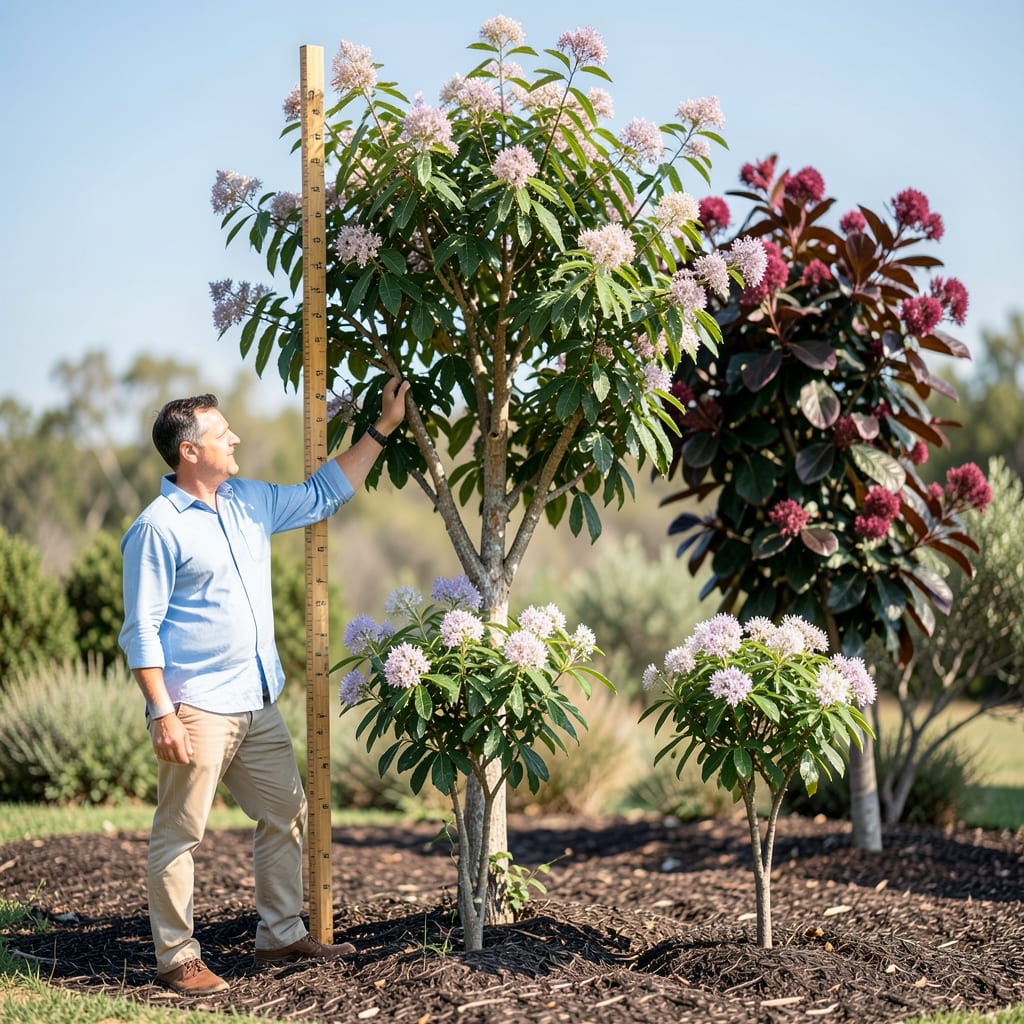
When you picture a crape myrtle 🌸 in your yard, do you wonder how tall can crape myrtles grow—whether they’ll become a towering shade tree or a neatly trimmed shrub? The truth is, these versatile plants can grow anywhere from 3 feet to a stunning 30 feet, making them perfect for both small gardens and sprawling landscapes.
What determines whether your crape myrtle becomes a compact accent or a grand statement piece? The answer lies in the variety you choose, combined with proper care and pruning techniques. Whether you're working with limited space or aiming for a showstopping centerpiece, understanding these factors is the key to getting the height you want.
From dwarf varieties that fit cozy patios to giant cultivars that rival two-story homes, we'll break down the height ranges of popular crape myrtles and share expert tips to control or encourage growth. Let's explore how to select and care for your perfect-sized crape myrtle.
Discover which varieties thrive in your space, how sunlight and soil affect growth, and simple pruning methods to maintain your ideal height. With the right approach, you can enjoy beautiful blooms year after year without worrying about overgrowth or underwhelming size.


Crape myrtle height variations: from dwarf shrubs to giant trees
Crape myrtles are one of the most versatile trees for gardeners, offering height variations that fit everything from tiny urban patios to sprawling rural landscapes. The key to choosing the right size lies in understanding the four main height categories: dwarf, semi-dwarf, standard, and giant varieties. Each category delivers a different aesthetic and functional benefit, so let's explore how they compare.
For those with limited space, dwarf crape myrtles (3-6 feet tall) provide all the beauty without the bulk. These compact varieties are perfect for container gardening or as accent plants near patios and walkways. On the opposite end, giant crape myrtles can reach an impressive 30 feet, making them ideal shade trees for large yards or park settings.
What determines whether your crape myrtle stays small or grows tall? The answer is a combination of genetics, growing conditions, and pruning practices. While some varieties naturally stay compact, others can be shaped through careful maintenance. Let's dive into the specifics of each height category to help you choose the perfect crape myrtle for your space.
🌱
If you're wondering how tall can crape myrtles grow in your specific yard, consider both the variety and your local climate. For instance, dwarf varieties like 'Arapaho' typically max out at 5 feet but may grow slightly taller in ideal conditions with rich soil and full sun. Meanwhile, giant varieties like 'Centennial Spirit' can reach 30 feet within 10 years if given proper care.
Another critical factor is the growth rate of each category. Dwarf varieties grow slowly, making them easier to manage in containers, while standard and giant varieties can grow 3-5 feet per year when young. This rapid growth means they'll quickly fill their intended space but also require more frequent pruning to maintain shape and health.
For gardeners in USDA zones 7-9, where crape myrtles thrive, the height potential is maximized. In cooler zones (6a-6b), growth may be slightly
Crape myrtle height variations: from dwarf shrubs to giant trees
Crape myrtles are one of the most versatile landscape trees, offering dramatic height variations that can transform any outdoor space. Whether you're working with a tiny courtyard or a sprawling backyard, there's a crape myrtle variety that will fit perfectly. The key to achieving your desired height lies in selecting the right cultivar, as some grow as small as 3 feet while others reach towering heights of 30 feet or more.
Understanding these height variations helps you make informed decisions about placement and care. For example, a dwarf crape myrtle can serve as a perfect patio accent, while a standard or giant variety can provide stunning shade and seasonal color for larger properties. Let’s explore the four main height categories and what to expect from each.
| Category | Height Range | Growth Habit | Best For |
|---|---|---|---|
| Dwarf | 3–6 ft | Compact, multi-stemmed shrub | Small gardens, containers, urban landscapes |
| Semi-Dwarf | 6–12 ft | Upright, single-trunked | Medium-sized yards, borders, foundation planting |
| Standard | 15–25 ft | Tall, multi-branched tree | Shade trees, large landscapes, privacy screens |
| Giant | 25–30+ ft | Massive, broad-canopied tree | Sprawling estates, park-like settings, statement pieces |
Dwarf crape myrtles, like the popular 'Arapaho' variety, are ideal for small spaces and containers. These varieties typically mature between 3 and 6 feet, making them perfect for balconies, patios, or even large planters. Their compact size also means they require minimal pruning, which is a huge plus for busy gardeners.
Semi-dwarf varieties, such as 'Tonto', bridge the gap between shrubs and trees, reaching heights of 6 to 12 feet. These are fantastic choices for medium-sized yards or as accent plants along driveways. They offer the beauty of a tree without overwhelming smaller spaces.
Standard crape myrtles, including cultivars like 'Muskogee' or 'Natchez', are the most common types you’ll find in suburban landscapes. These varieties typically grow between 15 and 25 feet, providing ample shade and stunning seasonal color. They’re perfect for larger yards where you want both function and aesthetics.
For those with expansive properties, giant crape myrtles like 'Centennial Spirit' can reach 30 feet or taller, creating a dramatic focal point in your landscape. These trees are best suited for rural settings or large estates where their full potential can be appreciated. Their broad canopies also make them excellent choices for shade-loving plants and lawn areas.
No matter which height category you choose, crape myrtles thrive with full sun exposure and well-draining soil. Proper care, including regular watering during the first year and occasional pruning, will ensure your tree reaches its full potential height while maintaining its health and beauty. 🌸