
Flowers
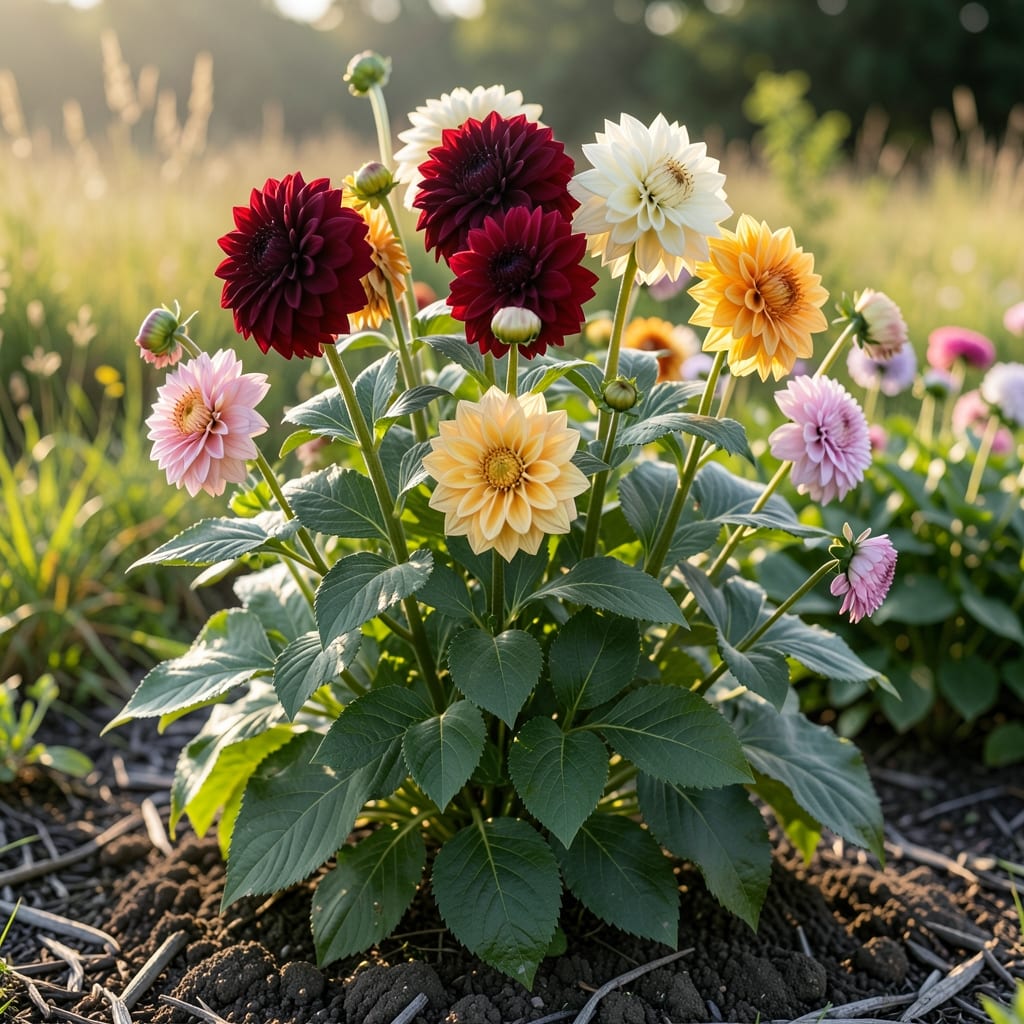
If you’ve ever wondered how tall dahlias 🌼 can grow, the answer might surprise you—some varieties reach towering heights of 8 feet or more, while others stay compact at just 8 inches. This dramatic range makes dahlias one of the most versatile flowers for gardeners in USDA Zone 6a, where they thrive from April to October.
The key to unlocking their full potential lies in choosing the right variety and providing proper care. Whether you’re dreaming of a dramatic floral backdrop or a space-saving container garden, understanding dahlia height ranges helps you plan with confidence. I’ll break down the differences between dwarf, medium, and giant varieties, plus the simple tricks to encourage—or control—their growth.
From dinnerplate dahlias that command attention to pompon types perfect for borders, each height category serves a unique purpose in your garden. You’ll also discover how sunlight, soil, and staking can push these stunning blooms to their maximum height—or keep them neatly trimmed. Let’s dive into the world of dahlias and find the perfect fit for your space.
Ready to transform your garden into a floral masterpiece? With the right variety and a few expert tips, you’ll be harvesting show-stopping blooms all season long. Let’s get growing!


Dahlia height ranges by variety: from dwarf to giant (2’ to 8’+)
Dahlias offer an incredible height range that can completely transform your garden’s look. The smallest varieties stay under 18 inches, while the tallest can reach a breathtaking 8 feet or more. This diversity lets you choose dahlias that perfectly fit your space—whether you have a sprawling backyard or a cozy balcony. The key is understanding how each height category aligns with your garden’s design goals.
For gardeners in USDA Zone 6a, selecting the right variety ensures your dahlias thrive from April to October. I’ve grown everything from dwarf pompons to giant dinnerplate types, and the difference in their growth habits is staggering. Let’s explore the four main height categories and the best varieties for each, so you can plan your garden with confidence.
Here’s a quick snapshot of what to expect from each category: dwarf varieties (8–18 inches) are perfect for containers and borders, while standard types (3–5 feet) create stunning focal points. The tall and giant varieties (5–8+ feet) are ideal for cut flowers and dramatic backdrops. Each category has unique care needs, so let’s dive into the details.
| Height Category | Variety Examples | Mature Height | Best For |
|---|---|---|---|
| Dwarf | 'Bishop,' 'Mignonette' | 8–18 inches | Containers, borders, edging |
| Semi-Dwarf | 'Café au Lait,' 'Thomas Edison' | 1.5–3 feet | Front of beds, mixed borders |
| Standard | 'Arabian Night,' 'Karma Choc' | 3–5 feet | Cut flowers, focal points |
| Tall/Giant | 'Galaxy,' 'Black Narcissus' | 5–8+ feet | Back of beds, cut arrangements |
The dwarf varieties are my go-to for small spaces because they fit perfectly in containers or window boxes. For example, the 'Bishop' dahlia stays under 12 inches but produces vibrant orange blooms that brighten up any corner. These types also require less staking and support, making them ideal for beginners. Their compact size means you can plant them closer together, creating a lush, continuous display.
If you’re aiming for a mid-height border, semi-dwarf varieties like 'Thomas Edison' (2–3 feet) are fantastic. They offer a balance between height and manageability, perfect for lining pathways or framing garden beds. These dahlias also bloom prolifically, giving you weeks of color from summer through fall. Just be sure to pinch back the stems early to encourage bushier growth.
For a show-stopping centerpiece, standard dahlias like 'Arabian Night' (4–5 feet) are unbeatable. Their deep burgundy blooms create a dramatic contrast against green foliage. These varieties need sturdy stakes or cages to support their height, but the payoff is worth it. I’ve used them in my garden to draw the eye toward a seating area, adding both height and elegance.
When it comes to cut flowers, nothing beats the tall and giant varieties. Dahlias like 'Galaxy' can reach 7–8 feet with proper care, producing large, dinnerplate-sized blooms perfect for bouquets. These giants require strong support systems, such as bamboo stakes or tomato cages, to prevent flopping. Their height also makes them ideal for the back of borders, where they can tower over other plants.
One of my favorite giant varieties is 'Black Narcissus', which grows to 6–7 feet and features dark, velvety petals with a striking contrast. This dahlia is a conversation starter in any garden and thrives in full sun. To encourage maximum height, I always plant it in well-amended soil and fertilize regularly during the growing season. The result? A towering floral masterpiece that lasts all season.
Choosing the right dahlia height for your garden isn’t just about aesthetics—it’s also about practicality. Taller varieties need more space and support, while dwarf types are perfect for tight spots. Consider your garden’s layout and the visual impact you want to create. Whether you’re a beginner or a seasoned gardener, there’s a dahlia height that’s perfect for you.
Now that
Factors that determine dahlia height: soil, sun, and staking secrets
When it comes to dahlia height, nature and nurture both play starring roles. While genetics set the baseline—like a dinnerplate variety reaching 6 feet—your care routine can push them even taller or keep them compact and manageable. The right conditions turn a 4-foot plant into a 7-foot showstopper, while neglect can stunt even the hardiest varieties.
Start with sunlight exposure, the #1 growth accelerator. Dahlias crave 6+ hours of direct sun daily, but too little light means leggy stems and fewer blooms. In my Zone 6a garden, I’ve seen tall varieties like 'Arabian Night' surge from 5 feet to 7 feet when planted in full sun, while the same plants in partial shade max out at 3 feet. Shade also weakens stems, making them more prone to flopping.
Next, soil nutrients act like a growth hormone. Dahlias are heavy feeders, especially during their July–September bloom phase. A high-phosphorus fertilizer (5-10-10) applied every 4–6 weeks fuels vertical growth, but skip the nitrogen-heavy blends—those encourage leafy foliage over flowers. I swear by a spring soil test to check pH (aim for 6.0–7.0); acidic soil locks out nutrients, capping height potential.
| Factor | Impact on Height | Pro Tip |
|---|---|---|
| Sunlight | Full sun = +2–3 ft growth | Rotate plants weekly for even sun exposure |
| Soil pH | pH <6.0 = stunted growth | Add lime to raise pH if needed |
| Fertilizer | High phosphorus = taller stems | Feed every 4–6 weeks, stop in August |
| Watering | Overwatering = weak stems | Water deeply 1–2x/week, avoid soggy soil |
| Staking | Unstaked = 30–50% height loss | Use 5–6 ft stakes for tall varieties |
Don’t overlook watering habits, either. Dahlias need consistent moisture—about 1–2 gallons per plant weekly—but soggy soil causes root rot, which weakens stems and limits height. I water mine at sunrise to reduce evaporation and fungal risks. Mulching with straw or shredded leaves locks in moisture while keeping roots cool, which is critical for giant varieties that need steady hydration.
Finally, staking and pruning can make or break your dahlias’ height goals. Tall varieties like 'Thomas Edison' (up to 8 feet) need 5–6 foot stakes inserted at planting. I tie stems loosely with soft plant ties to avoid restricting growth. For dwarf varieties, pinching back the first few sets of leaves encourages bushier growth, keeping them under 2 feet. Pro tip: Prune late in the day to reduce stress on the plant.
With these factors in check, even a 4-foot variety can reach its full potential—and your garden will thank you with months of dramatic blooms. Start experimenting with your dahlias this season, and watch them grow into the stunning vertical displays you’ve always wanted! 🌱