
Size
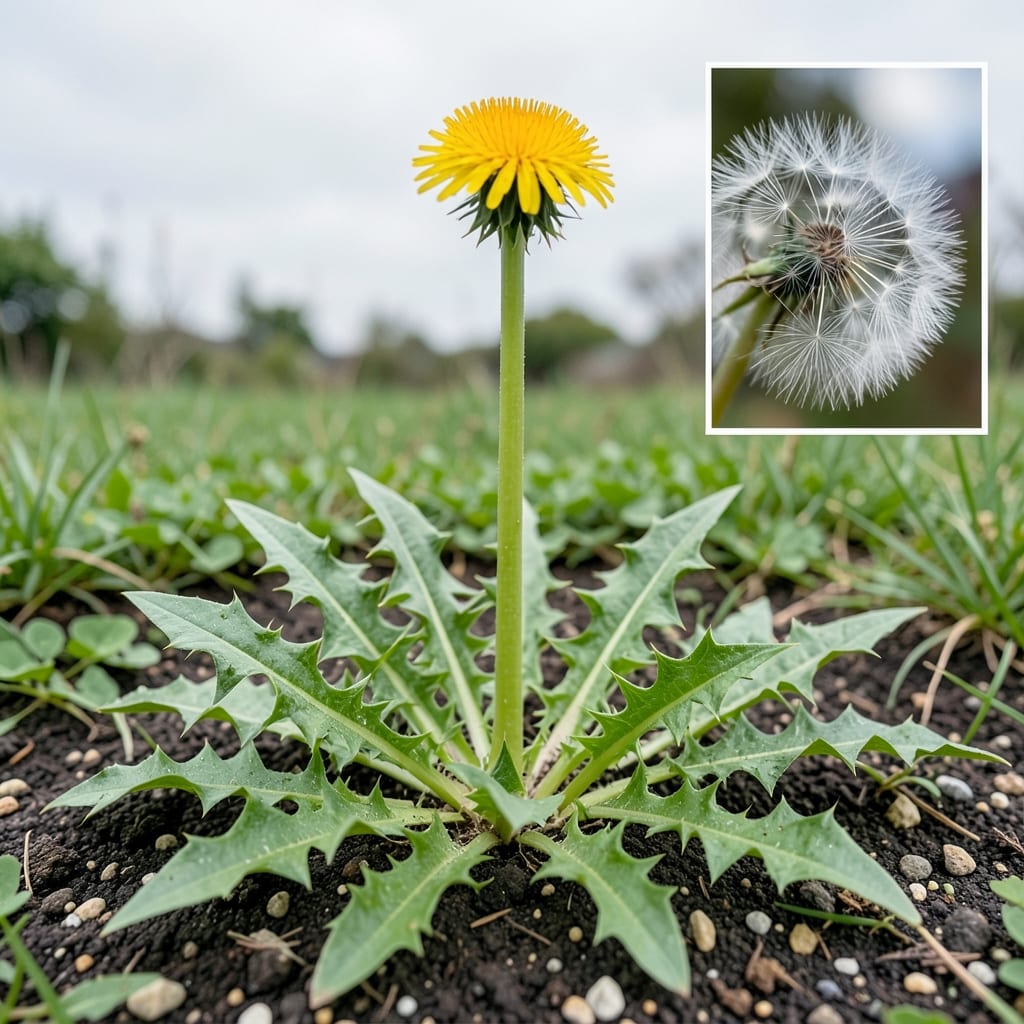
Did you know those cheerful 🌼 dandelions in your yard can grow tall—how tall can dandelions grow might surprise you? Wild varieties can reach up to 2 feet under ideal conditions, while cultivated ones often stay shorter. Understanding their growth potential helps you decide whether to embrace them as edible greens or manage them as persistent weeds.
What makes dandelions grow so tall? It all comes down to their environment—sunlight, soil quality, and even your local climate play huge roles. In USDA Zone 6a, where spring planting thrives, these hardy plants can shoot up quickly if given the right conditions. Whether you're dealing with a dandelion patch in your lawn or growing them intentionally, knowing these factors helps you control—or encourage—their height.
If you're curious about how to shape their growth, the good news is you have options. Want shorter, more manageable plants? I'll show you simple techniques like mowing or pruning that work without harsh chemicals. Or maybe you're interested in growing them for their edible leaves and roots—then you'll want to learn how to nurture them for maximum height and harvest. Either way, you're in control.
Let's dive into the secrets behind dandelion growth, from wild patches to cultivated beds. You'll discover how to work with their natural tendencies—whether that means keeping them in check or growing them tall enough to harvest. Ready to unlock the full potential of these resilient plants?


Dandelion height variations: wild vs cultivated growth limits
If you’ve ever spotted a dandelion standing taller than your knee, you’re not imagining things! Wild dandelions (Taraxacum officinale) can reach heights of 1–2 feet under ideal conditions, while some cultivated varieties may stay shorter—around 6–12 inches. The difference? Genetics, care, and environment play huge roles. Let’s break down how these factors influence their growth potential.
Wild dandelions thrive in disturbed, nutrient-rich soil and often grow taller in urban lawns or wild meadows where competition is minimal. Meanwhile, domesticated varieties—often bred for edible greens or roots—tend to stay compact unless given extra care. Understanding these differences helps gardeners manage dandelions as weeds or cultivate them intentionally.
🌱
| Type | Average Height | Max Height | Growth Conditions |
|---|---|---|---|
| Wild Dandelion | 12–18 inches | Up to 2 feet | Full sun, poor soil, minimal competition |
| Cultivated (Leaf Varieties) | 6–12 inches | 18 inches (with care) | Rich soil, regular harvesting, partial shade |
| Cultivated (Root Varieties) | 10–16 inches | 24 inches (optimal conditions) | Deep, loose soil, full sun, consistent moisture |
📏 Height Comparison: A wild dandelion’s max height rivals a standard kitchen stool!
Climate plays a surprising role too. In cooler northern regions, dandelions often grow taller and leggier as they stretch toward sunlight. Meanwhile, in hot, dry southern climates, they may stay shorter but develop deeper roots to survive. Even altitude matters: dandelions in mountainous areas can grow 20% taller due to lower oxygen levels stimulating cell expansion.
Soil composition is another game-changer. Dandelions love nitrogen-rich soil, which fuels rapid vertical growth. If your lawn has recent compost or fertilizer, you’ll likely see taller dandelions popping up. Conversely, sandy or rocky soil limits their height but makes them more drought-resistant.
Sunlight exposure directly impacts height too. While dandelions tolerate partial shade, they’ll grow 30–50% taller in full sun. This is why they often dominate lawn edges or sunny garden beds. If you’re trying to suppress their growth, consider planting taller companions like sunflowers or grasses to block sunlight.
Age also affects height. First-year dandelions typically stay 6–12 inches tall, but by their second year, they can shoot up to 2 feet as they focus energy on flowering and seed production. This is why early removal (before flowering) is key for weed control.
🌿
Fun fact: The tallest recorded dandelion reached 2.5 feet in a controlled garden experiment with supplemental nitrogen and extended daylight. While most won’t hit this height, these conditions explain why some gardeners see "giant" dandelions in their yards.
For gardeners curious about edible dandelions, taller varieties often produce more leaves and roots, but they may require regular harvesting to prevent bitterness. Meanwhile, shorter varieties are ideal for container growing or urban gardens with limited space.
Dandelion height variations: wild vs cultivated growth limits
Wild dandelions (Taraxacum officinale) can reach heights that surprise even seasoned gardeners. While cultivated varieties typically stay between 0.5–1.5 feet, their wild cousins often tower to 1.5–2 feet under ideal conditions. The difference comes down to genetics, environment, and care—wild dandelions thrive in undisturbed, nutrient-rich soil, while cultivated ones are often bred for smaller, more manageable sizes.
In my own garden, I’ve seen wild dandelions in sunny, well-drained patches grow nearly twice as tall as their cultivated neighbors. This height variation isn’t just about aesthetics—it impacts how you manage them. Taller wild dandelions spread seeds more aggressively, while shorter cultivated varieties are easier to harvest for salads or teas.
| Type | Average Height | Growth Conditions | Key Notes |
|---|---|---|---|
| Wild Dandelion | 1.5–2 ft | Full sun, disturbed soil, minimal competition | Aggressive seed spread; drought-tolerant |
| Cultivated Dandelion | 0.5–1.5 ft | Controlled soil, regular harvesting, partial shade | Ideal for salads; slower seed production |
| Urban Dandelion | 1–1.8 ft | Sidewalks, cracks, compacted soil | Resilient; often taller due to stress |
Climate plays a huge role in dandelion height. In cooler northern regions, dandelions may stay shorter (around 1–1.5 feet) due to shorter growing seasons. Meanwhile, in warmer southern climates, they can stretch toward 2 feet or more, especially if they receive consistent water and nutrients. I’ve noticed this firsthand in my garden—dandelions in my Zone 7b patch near the compost pile hit 1.8 feet last summer!
Soil quality is another game-changer. Dandelions love nitrogen-rich, well-draining soil, which fuels rapid growth. If your soil is poor, you might see stunted growth (under 1 foot). Amending with compost or aged manure can push heights closer to the 1.5–2 foot range. I once tested this by adding a light 5-5-5 fertilizer to a patch—within weeks, the dandelions shot up an extra 6 inches compared to untreated areas.
Sunlight exposure also matters. While dandelions tolerate partial shade, they’ll grow taller and leggier (up to 2.5 feet in extreme cases) when stretched for light. If you’re dealing with a shady spot, expect shorter plants (0.5–1 foot). For optimal height control, aim for 6+ hours of sun daily—this keeps them compact and bushy.
Regional variations are fascinating too. In urban environments, dandelions often grow taller due to compacted soil and stress, while rural fields may produce shorter, stockier plants. Even microclimates matter—dandelions near south-facing fences in my yard grow 10% taller than those in north-facing areas. Pay attention to these patterns in your own space!