
Vegetables
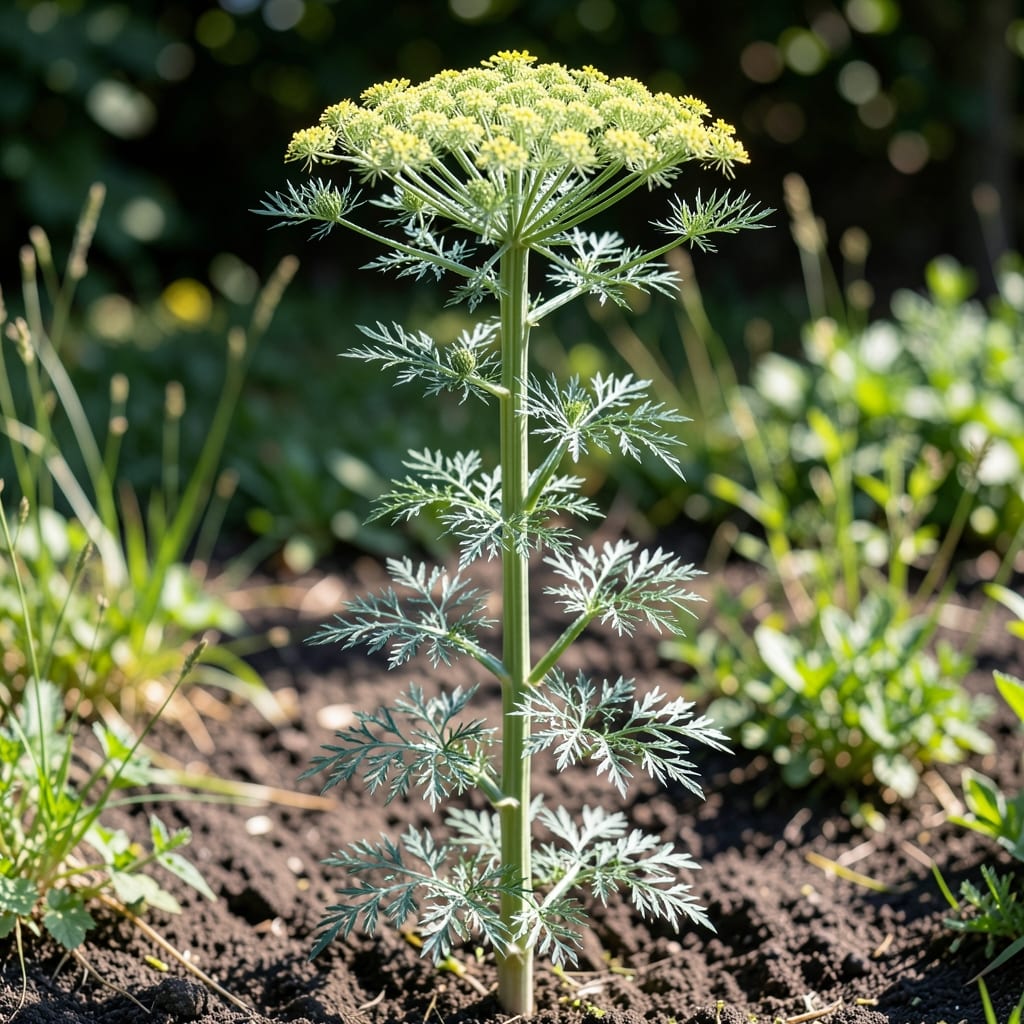
If you’ve ever planted dill and watched it grow tall like a 5-foot green rocket, you’re not alone—this feathery herb can surprise even seasoned gardeners with its height. The answer to "how tall can dill grow" isn’t one-size-fits-all; some varieties stay compact while others reach towering proportions, making it a game-changer for your garden layout.
🌿 Whether you’re growing dill for its bold flavor in soups or as a pollinator magnet in your backyard, understanding its growth habits is key. Annual varieties like Mammoth can stretch toward the sky, while dwarf types like Bouquet stay neatly contained. The difference often comes down to sunlight, soil, and even your pruning habits.
Let’s break down what influences dill’s height—from choosing the right variety for your space to simple tricks for keeping it manageable. You’ll discover how to harness its growth for your goals, whether that means a lush culinary herb patch or a decorative border that hums with bees.
Ready to turn your dill into a harvest powerhouse? We’ll cover everything from spacing tips to pruning techniques, so you can enjoy fresh dill without the overgrowth headaches. Let’s get growing!


Dill height variations: from compact to towering giants
Dill’s height can be as surprising as it is variable, with some varieties stretching toward the sky while others stay neatly contained. On average, mature dill plants reach 3 to 5 feet tall, but the difference between compact and towering types often comes down to genetics and growing conditions. Understanding these variations helps you choose the perfect variety for your garden space and goals.
🌱 Annual dill, like the popular Mammoth dill, can grow 4 to 5 feet tall in a single season, making it ideal for full-sun gardens where height isn’t a concern. These varieties thrive when given plenty of space to spread their feathery foliage and attract pollinators. In contrast, biennial dill may start smaller but can reach similar heights in their second year.
For gardeners with limited space, compact dill varieties like Bouquet dill or Fernleaf dill are game-changers. These stay between 18 to 24 inches tall, making them perfect for containers, window boxes, or small raised beds. Their shorter stature doesn’t compromise flavor—just their space requirements.
| Variety | Mature Height | Growth Habit | Best For |
|---|---|---|---|
| Mammoth Dill | 4–5 ft | Tall, upright | Full gardens, pollinators |
| Bouquet Dill | 18–24 in | Compact, bushy | Containers, small spaces |
| Fernleaf Dill | 2–3 ft | Medium, spreading | Herb gardens, borders |
| Dwarf Green Dill | 12–18 in | Dwarf, clumping | Window boxes, edging |
Environmental factors play a huge role in dill’s height. Full sun exposure (at least 6 hours daily) encourages vertical growth, while partial shade can stunt plants, keeping them shorter but sometimes less flavorful. Rich, well-draining soil with ample nutrients also supports taller growth, but over-fertilizing can lead to leggy, weak stems.
💧 Watering habits matter too—consistent moisture helps dill grow steadily, but soggy soil can cause root rot and slow growth. Aim for 1 inch of water weekly, adjusting for rainfall. In containers, dill may grow slightly shorter due to root restrictions, but it often produces more flavorful leaves.
If you’re growing dill for culinary uses, like pickling or soups, taller varieties often yield more leaves and seeds. For ornamental purposes, like attracting bees or adding texture to borders, height can be an asset—but compact varieties work just as well in small spaces. The key is matching your variety to your garden’s layout and your goals.
🌿 Pruning can also influence height. Regularly harvesting leaves encourages bushier growth, while letting dill flower and go to seed allows it to reach its full height. If you’re growing dill for seeds (like for pickling spices), you’ll want to let it grow tall and mature. For fresh leaves, pruning keeps plants shorter and more productive.
In my own garden, I’ve seen Mammoth dill reach nearly 5 feet in a single season when given full sun and regular water, while my Bouquet dill in containers stays a neat 18 inches. The difference is striking, but both varieties thrive with the right care. Choosing the right type for your space ensures you get the height—and harvest—you want.
How to control dill height: pruning, staking, and variety selection
Now that you know dill’s height potential, let’s talk about how to manage it to suit your garden. Whether you’re dealing with a 5-foot giant or a compact 18-inch variety, a few simple techniques can keep your dill growing the way you want. The key is balancing pruning, staking, and variety selection to avoid leggy, floppy plants that topple over.
🌿 Pruning is your best friend for controlling height and encouraging bushier growth. When you harvest leaves regularly, you signal the plant to produce more foliage instead of shooting upward. Start pinching back the top sets of leaves when the plant reaches 12 inches tall—this redirects energy to side shoots, creating a fuller, shorter plant. For culinary use, this method ensures a steady supply of fresh leaves without sacrificing height.
If you’re growing dill for seeds (like for pickling spices), you’ll want to let it grow tall and flower. But even then, you can prune lower leaves to improve air circulation and reduce disease risk. Avoid cutting into woody stems, as this can stress the plant. Instead, focus on removing yellow or damaged leaves to keep the plant healthy and compact.
- 🌱 Pinch back top growth at 12 inches to encourage bushiness.
- ✂️ Harvest leaves regularly for shorter, fuller plants.
- 🪴 Stake tall varieties (like Mammoth) to prevent flopping.
- 💧 Avoid overwatering—soggy soil leads to leggy growth.
- 🌿 Choose dwarf varieties (like Bouquet) for containers.
Staking is essential for tall dill varieties, especially in windy areas or when growing for seeds. Use bamboo stakes or soft plant ties to support stems before they get too heavy. Insert stakes gently into the soil next to the plant and tie stems loosely as they grow—this prevents damage while keeping the plant upright. For ornamental dill, staking also helps maintain a neat appearance in borders or pollinator gardens.
💡 Variety selection is the easiest way to control height from the start. If space is limited, opt for compact varieties like Bouquet or Dwarf Green dill, which stay under 2 feet tall. These are perfect for containers, window boxes, or small raised beds. For larger gardens, Mammoth dill or Fernleaf dill offer height without sacrificing flavor—just plan for their 4-5 foot reach.
One common mistake is overcrowding plants, which leads to competition for sunlight and nutrients, resulting in leggy, weak growth. Space dill plants 12-18 inches apart in the ground or 8-12 inches apart in containers. Overcrowding also increases the risk of pests and diseases, so proper spacing is key to keeping your dill healthy and manageable.
In my own backyard, I’ve used staking and pruning to keep my Mammoth dill from becoming a toppling mess. By pinching back the tops early and staking the stems, I’ve managed to enjoy both tall plants for seeds and bushy growth for fresh leaves—all while keeping the garden looking tidy. With these tips, you can tailor your dill’s height to your space and goals, whether you’re aiming for a culinary powerhouse or a pollinator-friendly border.