
Size
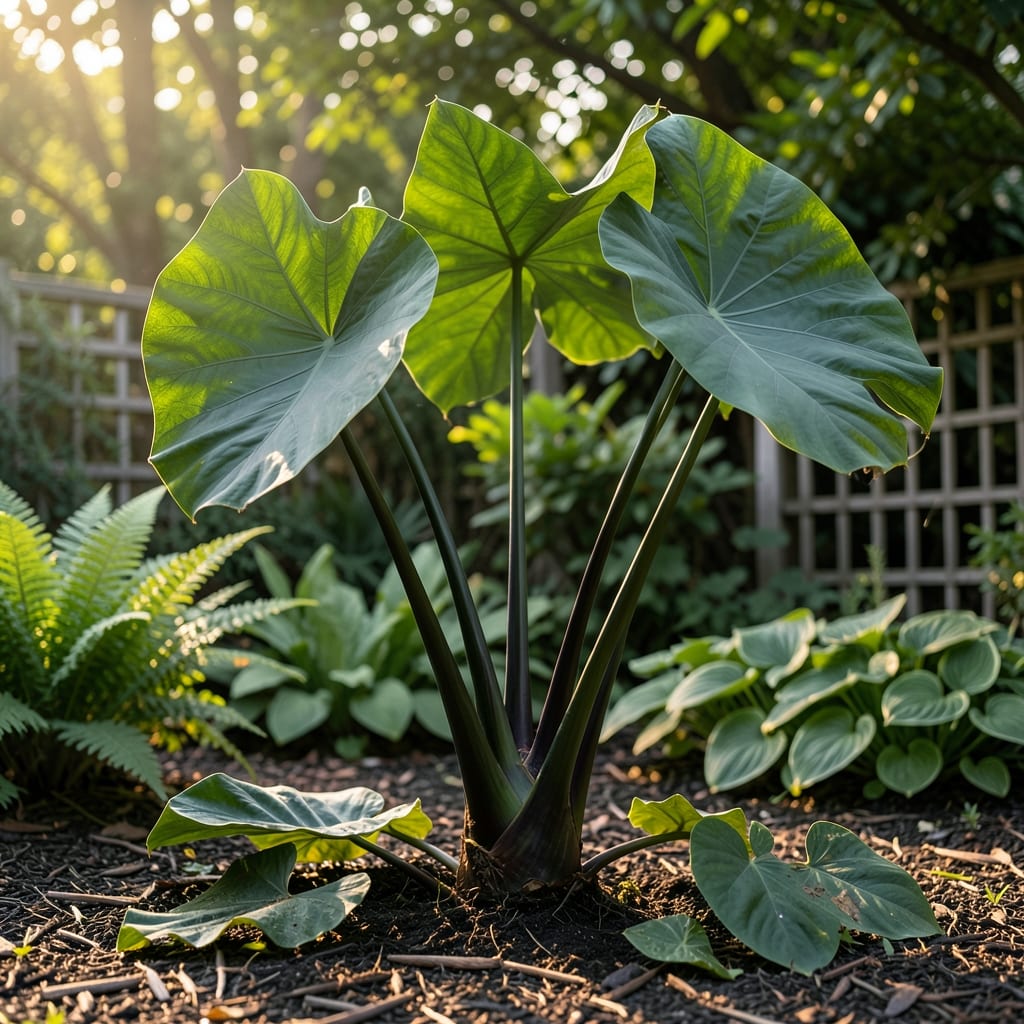
If you’ve ever wondered just how tall those dramatic Elephant Ear 🌿 leaves can grow, the answer might surprise you—some varieties stretch taller than you’d expect, while others stay compact enough for small gardens. The height of your Colocasia plants depends on more than just genetics; sunlight, soil, and even your local climate play a huge role in determining whether your elephant ears will reach for the sky or stay closer to the ground.
I’ve grown these tropical stunners in USDA Zone 6a for years, and let me tell you, the difference between a 2-foot dwarf variety and a 6-foot giant can be night and day. Whether you’re dreaming of a lush backyard statement piece or just want to add some drama to a container, understanding these height ranges is the key to planning your garden layout—before you plant.
But here’s the thing: even the tallest elephant ears won’t reach their full potential without the right care. Too much sun? They’ll bolt or scorch. Not enough water? Their growth will stall. And if you’re working with limited space, there are smart ways to manage their height—like choosing the right variety or pruning strategically—without sacrificing that stunning foliage.
In this guide, I’ll break down exactly what to expect from different elephant ear varieties, how to maximize their growth, and even how to fit them into small spaces. Let’s get your garden ready for some serious tropical drama!


Elephant ear height ranges by variety: from compact to towering giants
When I first planted elephant ears in my garden, I had no idea how dramatically their heights could vary. Some varieties stay as short as 1 foot, while others shoot up to 7 feet or more—yes, really! The key difference often comes down to the specific Colocasia or Alocasia species and even the cultivar. For example, Colocasia antiquorum is a giant that can reach 6-7 feet, while Colocasia 'Black Stem' stays a more manageable 2-3 feet.
Leaf size is a great indicator of height potential. The larger the leaf, the taller the plant tends to grow. Giant varieties like Colocasia gigantea produce leaves that can span 2 feet wide and grow on stems that reach 5-6 feet. Meanwhile, dwarf varieties like 'Pink China' or 'Black Magic' keep their height between 1-2 feet, making them perfect for containers or small garden beds.
Even within the same species, there can be significant height differences. For instance, Colocasia esculenta typically grows 3-5 feet tall, but some tropical cultivars can exceed 6 feet when given ideal growing conditions. Understanding these ranges will help you choose the perfect variety for your space and design goals.
Here’s a quick visual reference to help you compare popular elephant ear varieties and their mature heights:
Elephant Ear Height Comparison
| Variety | Mature Height | Leaf Size | Best For |
|---|---|---|---|
| Colocasia antiquorum | 6-7 ft | 2 ft wide | Large gardens, statement plants |
| Colocasia gigantea | 5-6 ft | 1.5-2 ft wide | Tropical landscapes, borders |
| Colocasia esculenta | 3-5 ft | 1-1.5 ft wide | Mixed borders, containers |
| Colocasia 'Black Stem' | 2-3 ft | 1 ft wide | Small gardens, pots |
| Colocasia 'Pink China' | 1-2 ft | 6-12 in wide | Containers, window boxes |
| Alocasia zebrina | 2-3 ft | 1 ft wide | Indoor plants, shaded areas |
If you’re working with limited space, don’t overlook the dwarf varieties. They may not reach the same towering heights, but their compact growth makes them incredibly versatile. For example, 'Black Magic' is a fan favorite for small gardens because it stays under 2 feet tall while still delivering those stunning dark leaves.
One common misconception is that all elephant ears grow equally tall. In reality, Alocasia species (like Alocasia polly) often stay shorter than Colocasia varieties, making them better suited for indoor growing or shaded outdoor spaces. Always check the specific variety’s description before planting to avoid surprises in your garden layout.
For those of us in cooler climates like USDA Zone 6a, height can also be influenced by the growing season. If you plant in late spring, your elephant ears may not reach their full potential until their second year. Patience is key—give them time to establish strong roots before expecting maximum height.
Pro tip: If you love the look of giant elephant ears but have limited space, consider pruning to control height. You can trim back the stems in early
How to maximize elephant ear growth: light, soil, and care tips
If you’ve planted elephant ears expecting them to reach their full height potential, you might be disappointed if they stay stunted. The good news? With the right light conditions and soil care, you can coax even the tallest varieties to grow 4–6 feet or more. I’ve seen Colocasia gigantea nearly double in height just by adjusting a few key factors in my Zone 6a garden.
First, let’s talk sunlight. While elephant ears thrive in partial shade, too much direct sun can scorch their leaves, while too little shade slows growth. Aim for 4–6 hours of morning sun with afternoon shade—this balances energy for growth without stressing the plant. In hotter climates, dappled shade all day works best.
Now, let’s dive into soil. These tropical plants crave moist, well-draining soil rich in organic matter. Amend your garden beds with compost or peat moss to retain moisture while preventing root rot. I swear by mixing in a 50/50 blend of garden soil and coconut coir for the perfect balance of aeration and moisture retention.
Don’t forget about seasonal care. Mulch heavily in spring to protect roots and retain moisture, and in fall, cut back foliage but leave the corms in the ground (they’re hardy down to Zone 5 with mulch). I’ve found that fertilizing every 4–6 weeks with a balanced 10-10-10 formula keeps my plants lush and reaching for the sky.
For container-grown elephant ears, choose pots at least 18–24 inches deep and wide—shallow containers will restrict root growth and cap height. Use a fast-draining potting mix with perlite and water more frequently (every 2–3 days in summer). Pro tip: Elevate containers to improve drainage and prevent waterlogging.
Finally, prune strategically. Remove yellow or damaged leaves to redirect energy to new growth, but avoid heavy pruning mid-season—this can shock the plant. If you’re growing in a small space, pinch back the tallest stems early to encourage bushier, more compact growth.