
How To
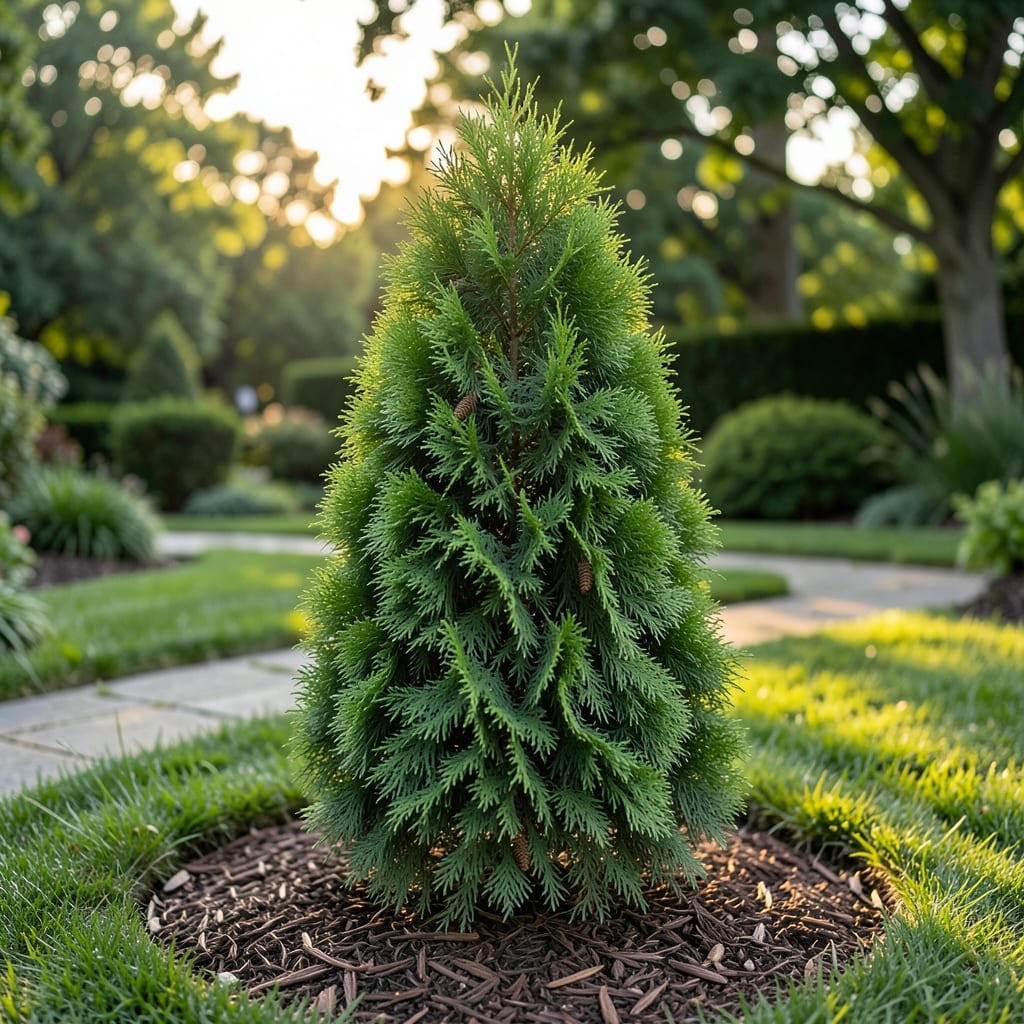
Curious about how tall your Emerald Green Arborvitae 🌲 will grow? This popular evergreen typically reaches 10–15 feet at maturity, but its final height depends on growing conditions and care. Whether you're planning a privacy screen or a focal point, understanding its growth pattern helps you visualize the perfect fit for your landscape.
Most homeowners notice steady growth in the first 5–10 years, with an average annual increase of 6–12 inches. However, factors like soil quality, sunlight exposure, and pruning practices can influence how quickly it climbs toward that mature height. For example, well-drained soil and full sun accelerate growth, while poor conditions may slow it down.
If you're wondering how to control its size, regular pruning is key. Trimming in late winter or early spring keeps it tidy and prevents overgrowth. With the right care, you can shape it to match your vision—whether that's a 10-foot hedge or a 15-foot statement piece.
Ready to plan your landscape? Discover more tips on maintaining your Emerald Green Arborvitae and achieving the perfect height for your space.


Emerald Green Arborvitae height limits: mature size by variety and planting conditions
The Emerald Green Arborvitae (Thuja occidentalis 'Smaragd') typically matures between 10 to 15 feet tall, with a spread of 3 to 4 feet. This narrow, columnar shape makes it ideal for tight spaces like hedges, privacy screens, or foundation plantings. However, its final height varies based on cultivar type, soil quality, and regional climate. For example, the Emerald® cultivar stays compact, while Green Giant varieties can reach up to 35 feet under ideal conditions.
In USDA zones 3–8, this evergreen thrives in full sun to partial shade, but well-drained, slightly acidic soil (pH 6.0–7.0) is critical. Poor soil or shady locations can stunt growth by 30–50%. For instance, a tree planted in Zone 6 with rich loam may hit 14 feet in 10 years, while one in Zone 4 with clay soil might max out at 8–10 feet.
Your local climate also plays a role. In cooler northern regions, growth slows slightly due to shorter growing seasons, while warmer southern zones can accelerate height gains. For example, in Georgia (Zone 8), Emerald Green Arborvitae may grow 1–2 feet per year, while in Minnesota (Zone 4), it averages 6–12 inches annually.
Visual Reference: Imagine a standard mailbox (6 feet)—your Emerald Green will surpass it by adulthood. In landscaping terms, it’s perfect for filling the space between a 2-story house (25 feet) and a 1-story shed (8 feet).
| Factor | Impact on Height | Example Scenario |
|---|---|---|
| Cultivar Type | Emerald®: 10–15 ft | Green Giant: 30–35 ft | Emerald® in Zone 5: 12 ft at maturity |
| Soil Quality | Poor soil = 30–50% stunted growth | Clay soil in Zone 4: 8–10 ft max |
| Sunlight | Full sun = 1–2 ft/year | Partial shade = 6–12 in/year | Zone 6, full sun: 14 ft in 10 years |
| Climate Zone | Warmer zones = faster growth | Zone 8: 1–2 ft/year | Zone 4: 6–12 in/year |
To predict your tree’s height, start by checking your USDA zone and soil type. Amend clay or sandy soil with compost or peat moss to improve drainage. If planting near a house or fence, leave 3–4 feet of clearance—this evergreen won’t spread wide, but its branches can sweep outward slightly as it matures.
For urban landscapes, consider root restriction techniques like planting in a wide but shallow trench to limit vertical growth. This method works best for Emerald® cultivars and can reduce height by 20–30% over 10 years. Always water deeply after planting to encourage strong root development, which supports steady (not excessive) height growth.
If you’re planning a hedge, space Emerald Green Arborvitae 3–4 feet apart for a dense, uniform barrier. In windy areas, stake young trees to prevent leaning or top-heavy growth, which can reduce overall height by up to 1 foot if left unchecked.
Pro tip: Mulch annually with 2–3 inches of wood chips to retain moisture and regulate soil temperature. This simple step can boost growth by 10–15% in the first 5 years. Avoid piling mulch against the trunk, as this can cause rot or pest issues.
For large landscapes, pair Emerald Green Arborvitae with taller evergreens like Douglas fir (40–70 ft) or shorter options like Boxwood (3–6 ft) to create visual balance. The key is strategic spacing—never plant them closer than 5 feet apart if you want to maintain their natural columnar shape.
Remember, pruning isn’t just for shaping—it’s a tool to control height. Regular tip pruning (cutting the top 2–3 inches of new growth) can reduce annual height gain by 20–30%.
Year-by-year growth rates: how fast does an Emerald Green Arborvitae grow?
Your Emerald Green Arborvitae starts small but grows steadily, with its fastest expansion happening in the first 5 years. Under ideal conditions—full sun and well-drained soil—it can add 12–24 inches per year during this phase. Think of it like watching a sapling transform into a small tree in just a few seasons!
By year 3, most trees reach 6–8 feet tall, making them perfect for privacy screens or focal points. Their growth slows slightly after year 5, averaging 6–12 inches annually. This steady pace means you’ll see noticeable height gains without sudden surprises.
After 10 years, growth continues but at a more modest 3–6 inches per year. At this stage, your arborvitae will likely be 12–15 feet tall, depending on care and conditions. Patience pays off—these trees mature gracefully over decades!
Growth rates can vary based on your USDA zone and care routine. For example, trees in Zone 5 may grow slightly slower than those in Zone 7 due to cooler climates. Always monitor soil moisture—drought stress can stall growth, while consistent watering keeps it on track.
Pro tip: If you’re planting near a roof or power lines, start pruning early to guide growth. Even small adjustments in the first few years can prevent future headaches. Think of it as shaping a young tree’s future height like a sculptor!
Need to predict your arborvitae’s future height? Use these growth rates as a guide, but remember: healthy soil and proper sunlight are the keys to unlocking its full potential. With the right care, you’ll have a stunning evergreen that stands the test of time!