
Plants
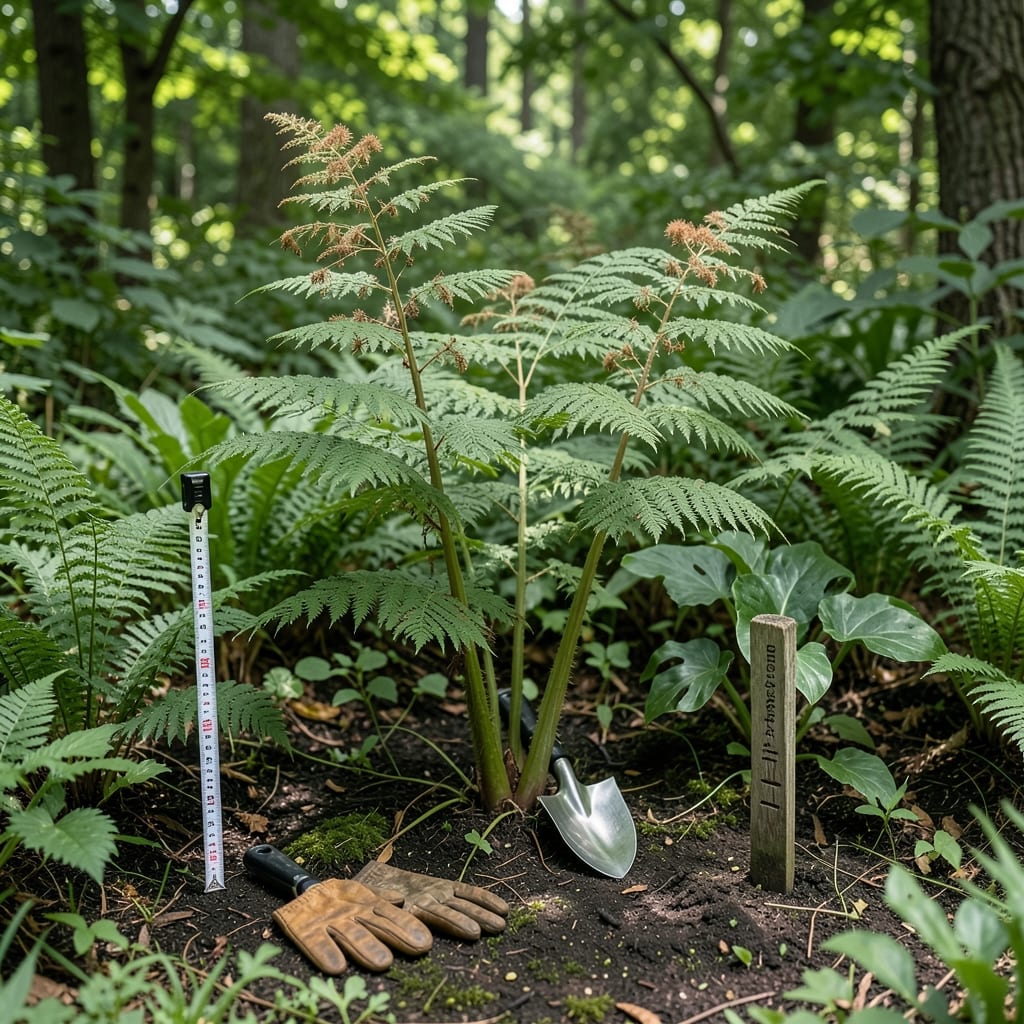
If you’ve ever wondered how tall can ferns grow, the answer might surprise you—these ancient plants can range from delicate ground covers to towering giants, depending on the variety. Whether you're dreaming of a lush, shady corner or a statement-making garden feature, ferns offer endless possibilities for height and texture.
From the tiny Boston fern, which stays under 1.5 feet, to the majestic tree fern, which can soar over 6 feet, each type brings something unique to your space. The key to their growth lies in understanding their needs—whether it’s moisture, shade, or the right soil. Let’s explore how to choose the perfect fern for your garden or container and what factors influence their height.
Some ferns, like the ostrich fern, naturally reach 3–4 feet and thrive in woodland settings, while others, such as the maidenhair fern, stay compact at just 1–2 feet. The good news? You can often control their size with simple pruning and care tips. Discover how to keep your ferns at your desired height—whether you want a low, cascading look or a dramatic vertical accent.
Ready to transform your garden into a verdant retreat? Whether you’re a seasoned gardener or a beginner, this guide will help you pick the ideal fern for your space and ensure it grows to its full potential. Let’s dive in!


Fern height by variety: from dwarf to giant species
Ferns are one of nature’s most versatile plants, offering a stunning range of heights that can fit everything from a tiny windowsill to a towering garden backdrop. Understanding how tall can ferns grow helps you select the perfect variety for your space. Some stay compact, while others reach dramatic proportions—here’s what to expect from popular types.
The Boston fern (Nephrolepis exaltata) is a classic choice for hanging baskets, typically maturing between 1–2 feet. Its delicate, lacy fronds make it ideal for adding soft texture to shady corners. For a slightly taller option, the Autumn fern (Dryopteris erythrosora) grows 2–3 feet tall, showcasing vibrant coppery new growth that’s perfect for woodland gardens.
If you’re dreaming of a statement-making fern, the ostrich fern (Matteuccia struthiopteris) is a showstopper. This native North American beauty can reach 3–5 feet tall, with striking, feather-like fronds that create a dramatic focal point in partial shade. Its fertile fronds add an extra layer of texture, making it a favorite for woodland gardens.
For those with space to spare, tree ferns like the Dicksonia antarctica are true giants. These prehistoric-looking plants can soar 6–10 feet tall, making them perfect for large gardens or as tropical accents in containers. Their trunk-like stems and broad fronds create a lush, almost jungle-like atmosphere.
Don’t overlook ground-cover ferns like the maidenhair fern (Adiantum), which stays under 1–2 feet but adds delicate elegance to rock gardens or fairy gardens. Its fan-shaped fronds on wiry stems create a whimsical, almost ethereal look—ideal for small spaces or containers.
Here’s a quick guide to help you visualize the height ranges of popular ferns and how they fit into your garden:
| Variety | Height Range | Best For |
|---|---|---|
| Boston Fern (Nephrolepis exaltata) | 1–2 ft | Hanging baskets, shade gardens |
| Autumn Fern (Dryopteris erythrosora) | 2–3 ft | Woodland gardens, borders |
| Ostrich Fern (Matteuccia struthiopteris) | 3–5 ft | Statement plants, woodland edges |
| Tree Fern (Dicksonia antarctica) | 6–10 ft | Large gardens, tropical accents |
| Maidenhair Fern (Adiantum) | 1–2 ft | Rock gardens, fairy gardens |
When choosing a fern, consider not just height but also your garden’s light conditions and moisture levels. Most ferns thrive in partial shade and well-draining, moist soil, but some, like the holly fern (Cyrtomium falcatum), tolerate drier conditions once established. Always check the specific needs of your chosen variety to ensure it reaches its full potential.
For example, the Japanese painted fern (Athyrium niponicum) stays under 2 feet but adds vibrant color with its silvery and burgundy fronds. Meanwhile, the leatherleaf fern (Rumohra adiantiformis) is a hardy ground cover that spreads 1–2 feet tall and wide, making it perfect for filling in gaps between larger plants.
If you’re working with limited space, dwarf varieties like the button fern (Pellaea rotundifolia) are excellent choices. These stay under 1 foot but create a lush, textured carpet in rock gardens or containers. Their leathery fronds and slow growth make them low-maintenance and long-lasting.
Remember, height isn’t the only factor—consider the spread of the plant, too. Some ferns, like the sword fern (Polystichum), can spread aggressively, while others, like the lady fern (Athyrium filix-femina), stay more contained. Planning for both height and spread ensures your ferns thrive without crowding out other plants.
Ready to pick the perfect fern for your space? Next, we’ll explore how to choose ferns based on height and growing conditions—including tips for maximizing their growth potential in containers or garden beds. 🌿
How to choose ferns based on height and growing conditions
Selecting the right fern for your space starts with understanding height potential and growing conditions. Not all ferns thrive in the same environment—some prefer moist, shaded corners, while others adapt to containers or sunny borders. The key is matching your fern’s natural habits to your garden’s microclimate. For example, Boston ferns (1–2 feet tall) excel in hanging baskets with high humidity, while tree ferns (6+ feet) need well-draining soil and protection from wind.
If you’re working with limited vertical space, opt for dwarf varieties like the Japanese painted fern (1.5–2 feet) or maidenhair fern (1–2 feet). These thrive in partial shade and consistently moist soil, making them ideal for underplanting shrubs or border edges. For taller ferns, like the ostrich fern (3–4 feet), allocate space near trees or fences where they can cast dappled shade on the ground below.
🌿 5 Key Tips for Choosing Ferns by Height & Conditions
- 1. Measure your space: Dwarf ferns (<1.5 ft) fit containers or window boxes; giants (>3 ft) need ground-level planting.
- 2. Check sunlight: Most ferns prefer partial shade (2–4 hours sun)—avoid full sun for delicate fronds.
- 3. Prioritize moisture: Ferns wilt in dry soil; mulch with peat moss or pine needles to retain humidity.
- 4. Use containers for control: Hanging baskets work for trailing ferns like Boston ferns; deep pots suit taller types.
- 5. Group by height: Plant tall ferns (3+ ft) at the back; short ferns (1–2 ft) in front for layered texture.
For container gardening, choose ferns with compact growth habits, such as the autumn fern (2–3 feet) or holly fern (1–2 feet). These varieties tolerate drier conditions than their woodland counterparts, making them perfect for patio pots or balcony gardens. Just ensure your containers have drainage holes and use a well-aerated potting mix to prevent root rot.
One common mistake is overcrowding ferns, which stunts growth and spreads disease. Space dwarf ferns 12–18 inches apart and taller varieties 3–4 feet apart to allow air circulation and frond development. If you’re planting near trees or shrubs, monitor for competition for water—fern roots are shallow and sensitive to drought stress.
To maximize height potential, provide support structures for larger ferns like tree ferns or sword ferns. Use bamboo stakes or coconut coir ties to train fronds upward, especially in windy areas. Avoid heavy pruning unless removing dead fronds, as this can reduce the plant’s energy for vertical growth. Instead, focus on consistent moisture and nutrient-rich soil to encourage natural height development.
Remember, ferns are low-maintenance once established, but their height and vigor depend on proper placement. Whether you’re aiming for a whimsical woodland scene or a modern container garden, the right variety and conditions will help your ferns reach their full, lush potential. Start small with a mix of heights to create visual interest and watch your garden transform into a verdant oasis.