
Trees
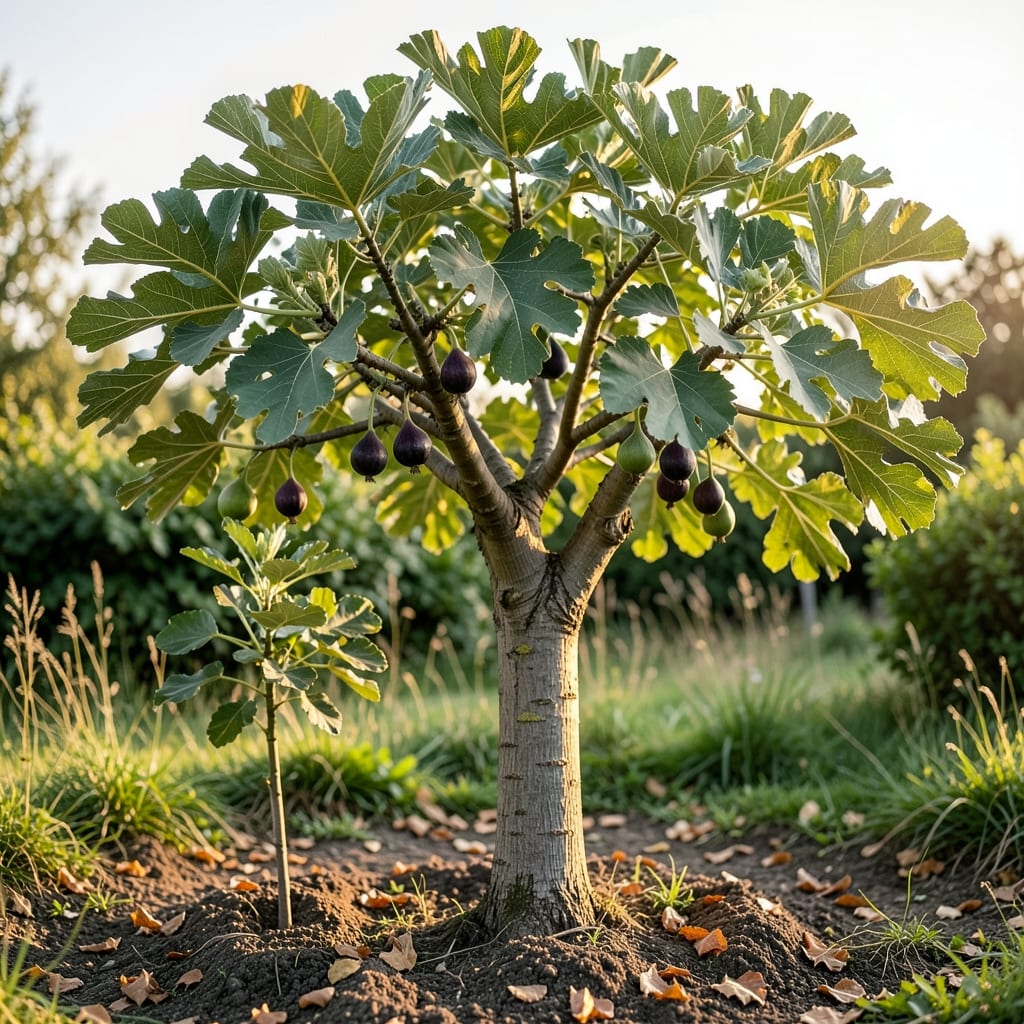
If you’ve ever wondered how tall can fig trees grow, the answer might surprise you—some varieties stay compact enough for containers, while others stretch toward the sky like natural skyscrapers. 🍈 Whether you’re dreaming of a backyard orchard or a patio-friendly dwarf fig tree, knowing these height differences is the key to planning your space (and avoiding pruning regrets later).
Fig trees aren’t one-size-fits-all. A standard variety like 'Brown Turkey' can reach 20–30 feet in ideal conditions, while dwarf types like 'Little Miss Figgy' top out at just 6–10 feet. The difference? Genetics, pruning habits, and even your climate zone. In USDA Zone 6a, where winters test resilience, choosing the right variety could mean the difference between a thriving tree and a frost-bitten stump.
But here’s the game-changer: pruning and training can shrink a giant or keep a dwarf from sprawling. With the right techniques, you can coax a 30-foot monster into a manageable shape—or let a compact variety grow wild if you’ve got the space. I’ll show you how to control height without sacrificing fruit production, so your fig tree stays happy (and your neighbors stop asking if you’re growing a treehouse).
Ready to pick the perfect fig tree for your space? Let’s break down the heights, the tricks to keep them in check, and how to turn your garden into a fig-filled paradise—no skyscraper regrets included.


Fig tree height variations: from dwarf varieties to towering giants
Fig trees are like the chameleons of the fruit world—their height can vary wildly depending on the variety and growing conditions. Some stay small enough for container gardening, while others stretch toward the sky like natural skyscrapers. The difference often boils down to genetics, but pruning and climate also play huge roles. For example, a 'Little Miss Figgy' might top out at 6–10 feet, while a wild Mediterranean fig could reach 50–100 feet in ideal conditions. 🌳
If you’re short on space, dwarf varieties are your best bet. These compact trees thrive in pots or small gardens and rarely exceed 8–12 feet. On the other end of the spectrum, standard varieties like 'Brown Turkey' or 'Celeste' can grow 20–30 feet tall if left unchecked. Even then, their spread can be just as wide, making them better suited for large backyards or orchards. The key is choosing a variety that matches your space—and your patience for pruning. ✂️
| Variety | Mature Height | Best For | Notes |
|---|---|---|---|
| Dwarf Varieties (e.g., 'Little Miss Figgy', 'Violette de Bordeaux') | 3–10 ft | Containers, patios, small gardens | Slow-growing, ideal for urban spaces |
| Semi-Dwarf (e.g., 'Desert King', 'Black Mission') | 12–18 ft | Backyards, small orchards | Moderate pruning needed to control spread |
| Standard (e.g., 'Brown Turkey', 'Celeste') | 20–30 ft | Large gardens, orchards | Requires regular pruning; needs space |
| Wild/Mediterranean Types | 50–100+ ft | Natural landscapes, forests | Uncontrolled growth; minimal pruning |
One common misconception is that all fig trees grow tall and wild. In reality, many dwarf varieties are bred specifically for container gardening or small spaces. For example, the 'Violette de Bordeaux' stays under 8 feet and produces stunning purple figs—perfect for balconies or terraces. Meanwhile, standard varieties like 'Black Mission' can become monsters if not pruned, reaching heights that dwarf even the tallest gardeners. 🌿
Climate also plays a surprising role in height. In warmer USDA Zones 8–11, fig trees grow faster and taller because they’re not stressed by cold. But in cooler Zones 6–7, like where I garden in Zone 6a, figs grow more slowly and stay smaller unless you provide winter protection. This is why dwarf varieties are often recommended for northern climates—they’re simply hardier and more manageable. ☀️
If you’re wondering how to predict your fig tree’s height, start with the variety. A 'Little Miss Figgy' will almost certainly stay under 10 feet, while a 'Brown Turkey' could hit 25 feet without intervention. But here’s the catch: even dwarf varieties can grow taller if given rich soil, full sun, and minimal pruning. Conversely, a standard variety can be kept small with aggressive pruning and container training. It’s all about balance—and knowing when to rein in the growth. 🪴
For container gardening, choose varieties like 'Chicago Hardy' or 'Panache', which thrive in 15–20 gallon pots and rarely exceed 6–8 feet. These are bred to stay compact, making them ideal for patios or rooftop gardens. Just remember: even dwarf figs need well-draining soil and regular watering to stay healthy. Neglect the roots, and you’ll end up with a leggy, weak tree that struggles to support its own weight. 💧
On the flip side, if you’re dreaming of a tall, majestic fig tree, varieties like 'Celeste' or 'Osborn Prolific' will deliver—provided you have the space. These trees can become small trees or even shrubs if pruned properly, but left to their own devices, they’ll sprawl and climb. That’s why I always recommend staking or trellising larger varieties early on. Without support, their branches can break under the weight of fruit—or worse, crash into power lines. ✂️
Here’s a pro tip: if you love the idea of a tall fig tree but lack the space, consider espalier training. This technique turns a 20-foot giant into a 6-foot wall-mounted masterpiece. I’ve seen it done with 'Brown Turkey' figs in urban gardens, and the results are stunning—fruit-laden branches trained along fences or trellises. It’s like having a fruit salad on your wall without sacrificing yard space. 🍈
Ultimately, the height of your fig tree is a collaboration between genetics and care. Pick
Pruning and training techniques to control fig tree height
Controlling your fig tree’s height starts with the right pruning techniques. Whether you’re dealing with a wild-growing 'Brown Turkey' or a container-bound 'Little Miss Figgy', strategic cuts can keep your tree at your desired height—without sacrificing fruit production. The key is timing and method: prune in late winter or early spring, just before new growth begins, to avoid damaging fruit-bearing wood.
For taller varieties, use heading back—cutting back the tips of branches—to encourage bushier growth. This method works wonders for standard fig trees that might otherwise tower over your patio. For dwarf varieties, focus on renewal pruning, where you remove older branches to stimulate younger, more compact growth. Think of it like giving your tree a haircut: shorter layers mean less height!
Decide if you want a compact bush, a small tree, or a trained espalier. Your goal dictates your pruning approach.
Remove suckers at the base (they sap energy) and crossing branches (they weaken structure). Aim for an open center to improve airflow.
Cut 1/3 of the current season’s growth to encourage lateral branches. This works best for standard varieties like 'Celeste'.
Use stakes or trellises to guide growth. For espalier figs, prune to a flat plane against a wall or fence for a sleek, space-saving look.
Deep water after pruning to reduce stress, and apply a balanced fertilizer (10-10-10) to support new growth.
Don’t forget about seasonal maintenance. In summer, lightly trim overgrown branches to maintain shape, and in fall, remove any dead or diseased wood before winter. Pro tip: Use sterilized pruners to prevent spreading disease—wipe them with rubbing alcohol between cuts!
For container-grown figs, pruning is even more critical. Since their roots are confined, aggressive pruning can help prevent root-bound stress. Aim to keep your potted fig under 6–8 feet by regularly trimming back long, leggy branches. And remember: dwarf varieties like 'Violette de Bordeaux' are naturally low-maintenance but still benefit from occasional pruning to encourage fruit-bearing spurs.
If you’re aiming for a taller, tree-like fig, let the central leader (main trunk) grow while pruning side branches to encourage a single-trunk form. This method works well for heirloom varieties like 'Osborn Prolific', which can reach 20+ feet with proper care. Just be patient—fig trees grow 2–3 feet per year, so height control is a marathon, not a sprint!
🌱