
Size
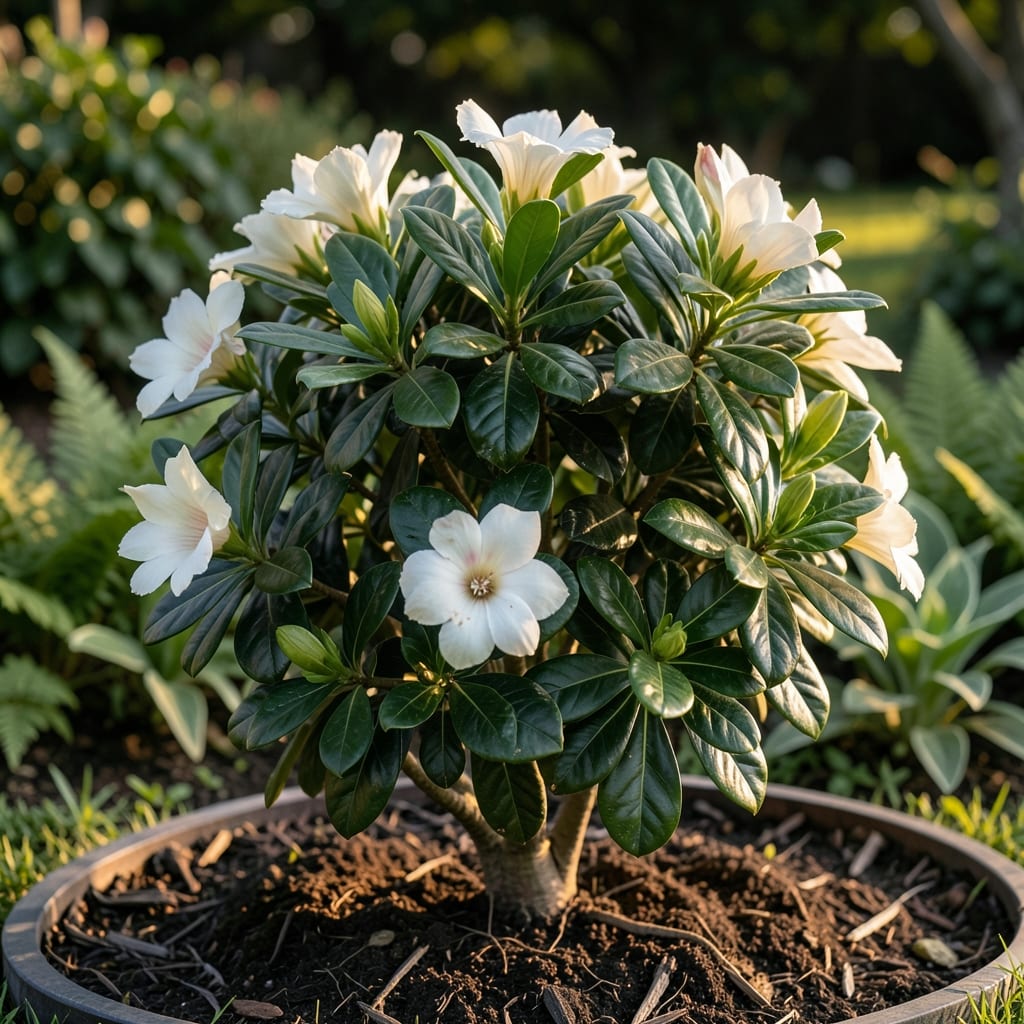
If you’ve ever wondered how tall can gardenia grow before it turns your small garden into a jungle, the answer might surprise you. These fragrant 🌸 beauties can reach anywhere from 2 to 6 feet tall, depending on the variety and care—but with the right techniques, you can keep them at your ideal height without sacrificing those intoxicating blooms.
The key lies in understanding your gardenia’s natural growth habits. Some varieties, like the classic Gardenia jasminoides, mature at a stately 4 to 6 feet, while dwarf types stay compact at just 1 to 2 feet. But even the tallest gardenias can be managed with smart pruning, ensuring they stay lush and proportional to your space.
Pruning isn’t just about cutting back—it’s about encouraging healthy, controlled growth. Whether you’re dealing with a sprawling shrub or a compact variety, the right timing and technique can make all the difference. Let’s dive into how to keep your gardenia thriving at the perfect height for your garden.
From selecting the right variety to mastering pruning tricks, you’ll discover how to enjoy your gardenia’s beauty without it taking over. Ready to transform your garden into a fragrant, well-balanced oasis? Let’s get started.


Natural gardenia growth height: varieties and mature size guide
Understanding how tall can gardenia grow starts with recognizing that these fragrant shrubs come in a stunning range of sizes. The most common variety, Gardenia jasminoides, typically reaches 4 to 6 feet at maturity, making it a statement plant in any landscape. However, this isn’t set in stone—your gardenia’s final height depends on several factors, including the specific cultivar, growing conditions, and your pruning habits.
If you’re working with limited space, don’t worry! Dwarf varieties like Gardenia jasminoides 'Radicans' stay compact at just 1 to 2 feet tall, perfect for containers or small gardens. Meanwhile, semi-dwarf types like Gardenia augusta grow to about 2 to 3 feet, offering a middle-ground option for gardeners who want height without overwhelming their space.
Here’s the key takeaway: gardenias grow fastest during their first few years. In year one, expect 1 to 2 feet of growth, while year two typically adds another 1 to 2 feet. By year three, your gardenia will start reaching its mature height, though growth slows significantly after this point. Proper care can accelerate or slow this process, so let’s explore how to manage it.
Another factor influencing height is the growing environment. Gardenias thrive in USDA zones 6a to 10, where they receive partial shade and well-draining, acidic soil. In ideal conditions, they grow taller and bushier, while poor soil or harsh sunlight can stunt their growth or make them leggy. Even the most compact varieties may stretch taller if deprived of light or nutrients.
| Variety | Mature Height | Growth Rate (First 3 Years) | Best For |
|---|---|---|---|
| Gardenia jasminoides (Standard) | 4-6 ft | 1-2 ft/year | Large gardens, hedges |
| Gardenia jasminoides 'Radicans' (Dwarf) | 1-2 ft | 6-12 in/year | Containers, small spaces |
| Gardenia augusta (Semi-Dwarf) | 2-3 ft | 8-12 in/year | Borders, patio pots |
| Gardenia jasminoides 'Kleim's Hardy' (Cold-Hardy) | 3-5 ft | 1-1.5 ft/year | Northern gardens, hedges |
When planning your garden, consider the mature height of your gardenia variety. A standard gardenia can easily tower over a 6-foot-tall person, while dwarf types stay at about countertop height. This makes them versatile for everything from foundation plantings to container gardening on patios. If you’re unsure which variety to choose, start with a semi-dwarf—it offers a balance of height and manageability.
One common misconception is that gardenias grow too quickly to control. In reality, their growth is steady and predictable, giving you plenty of time to shape them as they mature. The secret to managing height lies in pruning techniques and understanding when to intervene. For example, if your gardenia starts stretching toward the sun, it’s a sign it needs more light—or less of it, if the sun is too harsh.
For container gardeners, height management is even simpler. Dwarf varieties thrive in pots, and you can control their growth by repotting every 2-3 years to refresh the soil and encourage compact growth. Just ensure your container has drainage holes to prevent root rot, which can stunt growth and weaken the plant.
Finally, remember that gardenias reward patience. A well-cared-for gardenia can live for decades, continuing to bloom and grow—so long as you provide the right conditions. Whether you’re aiming for a tall hedge or a compact patio plant, choosing the right variety and giving it consistent care will ensure your gardenia reaches its full potential without taking over your garden.
Pruning techniques to control gardenia height without harming the plant
Pruning is the secret weapon for keeping your gardenia at the perfect height while encouraging lush, healthy growth. The best time to prune is late winter or early spring, just as new growth begins. This timing allows your gardenia to recover and bloom beautifully throughout the season. Avoid heavy pruning in fall or winter, as it can stress the plant and reduce next year’s flowers.
Start by removing dead or diseased branches first—these can spread problems to healthy parts of the plant. Use clean, sharp pruning shears to make cuts at a 45-degree angle, about ¼ inch above a leaf node. This encourages new growth in the right direction and keeps your gardenia looking tidy. For height control, focus on the topmost branches first, as these drive upward growth.
Here’s a step-by-step guide to pruning your gardenia for ideal height:
- Step 1: Identify branches that need trimming—look for overly long stems or those growing inward.
- Step 2: Cut just above a leaf node or outward-facing bud to encourage bushier growth.
- Step 3: Remove up to ⅓ of the plant’s height if needed, but never cut more than this in one session.
- Step 4: Shape the plant by trimming uneven branches to create a balanced silhouette.
- Step 5: Sterilize your tools with rubbing alcohol between cuts to prevent disease spread.
If your gardenia is growing too tall, try the heading-back method. This involves cutting back the topmost 6-12 inches of the tallest stems. While this may seem drastic, it stimulates branching lower on the plant, creating a fuller, shorter shrub. Repeat this process every 2-3 years to maintain your desired height.
For container gardenias, pruning is even easier. Since their root systems are naturally restricted, they grow more slowly and stay compact. Focus on light trimming to shape them and remove any leggy stems. This keeps them at a manageable height while encouraging more blooms. Remember, the goal is to encourage bushiness, not just reduce height—so always leave some branches intact to support the plant’s structure.
After pruning, give your gardenia a light fertilizer to help it recover and promote new growth. A balanced 10-10-10 NPK fertilizer applied in early spring will do the trick. Water deeply after pruning to reduce stress on the plant, and avoid heavy pruning in the heat of summer, as this can shock the gardenia and delay flowering.
With consistent pruning, your gardenia will stay at the perfect height for your space—whether you’re aiming for a tall hedge, a compact patio plant, or a bushy container specimen. The key is patience and regular maintenance, so don’t be afraid to get your hands dirty and shape your gardenia into the perfect fit for your garden.