
Flowers
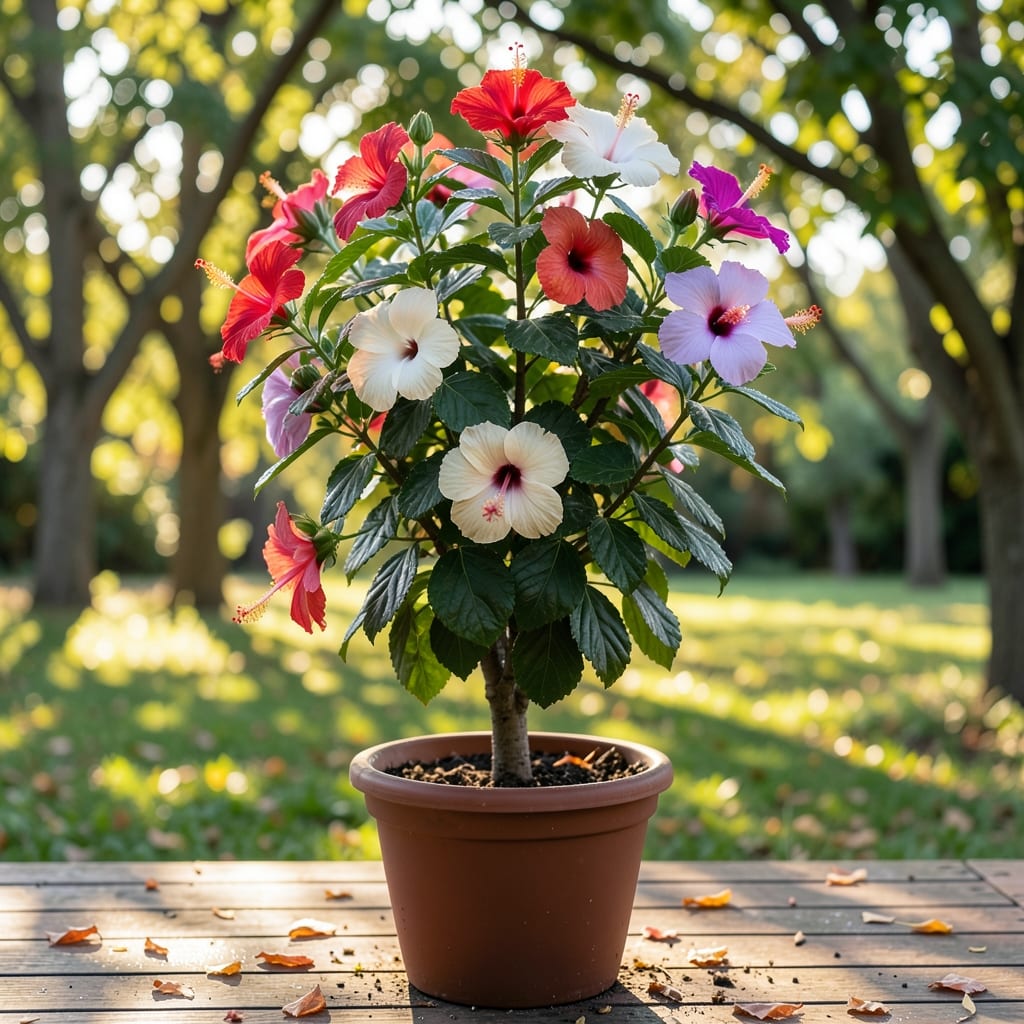
Hibiscus height by variety: dwarf to giant species compared
Hibiscus plants come in a stunning array of sizes, from compact dwarf varieties that fit perfectly in containers to towering tropical giants that reach heights of 15 feet or more. The variety you choose will determine whether your hibiscus stays at knee height or stretches toward the sky. Let’s explore the height ranges and examples of each category to help you pick the perfect hibiscus for your space.
Most hibiscus fall into four broad height categories: dwarf (2–4 ft), shrub (4–8 ft), small tree (8–12 ft), and giant (12–15+ ft). Each category offers unique visual impact and garden functionality, whether you’re aiming for a privacy screen or a container centerpiece. Below, we’ll break down the most popular varieties in each group, including their growth habits and ideal uses.
🌱 Did You Know? The tallest hibiscus on record, a Hibiscus rosa-sinensis, reached an astonishing 18 feet in height, but this is rare—most varieties max out at 12–15 feet with proper care.
| Variety | Height Range | Growth Habit | Best For |
|---|---|---|---|
| Dwarf Hibiscus (e.g., ‘Lilliputian’, ‘Punchy’) | 2–4 ft | Compact, bushy, slow-growing | Containers, window boxes, small yards |
| Shrub Hibiscus (e.g., ‘Dwarf Blue’, ‘Lady Baltimore’) | 4–8 ft | Upright, multi-stemmed, moderate growth | Borders, foundation plantings, mixed beds |
| Small Tree Hibiscus (e.g., ‘Hawaiian Sunset’, ‘Disco Belle’) | 8–12 ft | Single-trunk, fast-growing, woody | Privacy screens, tropical landscapes, large gardens |
| Giant Hibiscus (e.g., ‘Tropical Sunset’, ‘Red Heart’) | 12–15+ ft | Tall, leggy, aggressive growth | Large properties, tropical backdrops, statement plants |
| Hardy Hibiscus (Hibiscus syriacus) | 8–12 ft | Cold-hardy, multi-stemmed, slow to moderate growth | Northern climates, perennial borders, wildlife gardens |
The tropical hibiscus (Hibiscus rosa-sinensis) dominates the tallest categories, often requiring staking or pruning to control their height. In contrast, the hardy hibiscus (Hibiscus syriacus) is a cold-resistant shrub that thrives in USDA Zones 5–9, making it ideal for gardeners in cooler climates who still want a bold floral display. These varieties typically grow 8–12 feet tall but can be pruned to maintain a smaller shape.
For small-space gardeners, dwarf varieties like ‘Punchy’ or ‘Lilliputian’ are game-changers. These hibiscus stay under 4 feet tall and thrive in containers, making them perfect for patios, balconies, or windowsills. Their compact growth also means they require less frequent pruning and staking, saving you time and effort.
If you’re dreaming of a tropical paradise in your backyard, consider the ‘Hawaiian Sunset’ hibiscus, which can grow 10–12 feet tall with vibrant blooms in shades of orange, yellow, and red. Pair it with palm trees or bamboo to amplify the tropical vibe. For a low-maintenance option, the ‘Disco Belle’ series offers multi-colored flowers and a neat, upright habit that works well in both landscapes and containers.
When selecting a hibiscus, also consider its growth rate. Some varieties, like the ‘Red Heart’, can grow up to 3 feet per year if given ideal conditions, while others, like ‘Lady Baltimore’, grow more slowly at 1–2 feet per year. This difference affects how quickly you’ll need to prune or train your plant to manage its height.
🌿 Pro Tip: Always check the mature height of a hibiscus variety before purchasing, especially if you’re working with limited space. A 15-foot hibiscus in a small yard will quickly become a nuisance unless you’re prepared to prune it aggressively or plant it in a large, designated area.
Factors that influence hibiscus growth height beyond variety
Your hibiscus’s height isn’t set in stone—it’s shaped by a mix of environmental conditions and care practices. Even the same variety can grow taller or shorter based on where you live and how you maintain it. Let’s break down the biggest factors that push your hibiscus toward the sky or keep it compact.
First, sunlight exposure plays a huge role. Hibiscus thrive in full sun (6+ hours daily), but too much scorching afternoon sun can stress plants, stunting growth. In hot climates like USDA Zones 9-11, they might grow faster but need afternoon shade to prevent leaf scorch. In cooler zones (like Zone 7), they’ll grow more slowly unless given extra warmth.
🌱 Key Factors Influencing Hibiscus Height
- 1. Sunlight: 6+ hours/day fuels growth, but afternoon shade prevents stress in hot zones.
- 2. Pruning: Regular trimming (2-3x/year) keeps dwarf varieties compact; minimal pruning lets tall types reach full height.
- 3. Soil Quality: Well-draining, fertile soil with pH 6.1-7.5 supports vigorous growth; poor soil stunts plants.
- 4. Watering: Deep, infrequent watering encourages root depth; shallow watering leads to leggy, weak growth.
- 5. Climate: Tropical zones (9-11) grow hibiscus faster; cooler zones (6-8) slow growth unless protected.
- 6. Fertilizer: Balanced NPK (10-10-10) every 4-6 weeks in spring/summer boosts height; over-fertilizing causes weak stems.
Pruning is another game-changer. If you want a taller hibiscus, like the Hibiscus rosa-sinensis (which can hit 10-15 feet), skip heavy pruning. But for compact growth, prune back by 1/3 in early spring and again after blooming. This encourages bushier, shorter growth—ideal for containers or small gardens.
Don’t underestimate soil quality. Hibiscus need well-draining, slightly acidic soil (pH 6.1-7.5) to thrive. Amend heavy clay with compost or sand, and avoid soggy soil, which causes root rot and stunted growth. A mulch layer (2-3 inches) also helps retain moisture and nutrients, keeping your plant healthy and growing steadily.
Watering habits can also sneakily alter your hibiscus’s height. Deep watering (1-2 inches per week) encourages strong root systems and upright growth, while shallow, frequent watering leads to leggy, weak stems that flop over. Always water at the base of the plant in the morning to reduce fungal risks and promote steady growth.
Finally, climate and microclimates matter. In tropical regions, hibiscus grow aggressively—some varieties can add 3-5 feet per year! But in cooler zones, growth slows unless you provide winter protection (like wrapping the base or using frost cloth). Even within your yard, a south-facing spot will produce taller hibiscus than a shady corner.
By tweaking these factors, you can coax your hibiscus to grow exactly how you want—whether it’s a 3-foot container showstopper or a 12-foot privacy screen. Start with the right variety, then adjust care to match your space and goals! 🌿