
How To
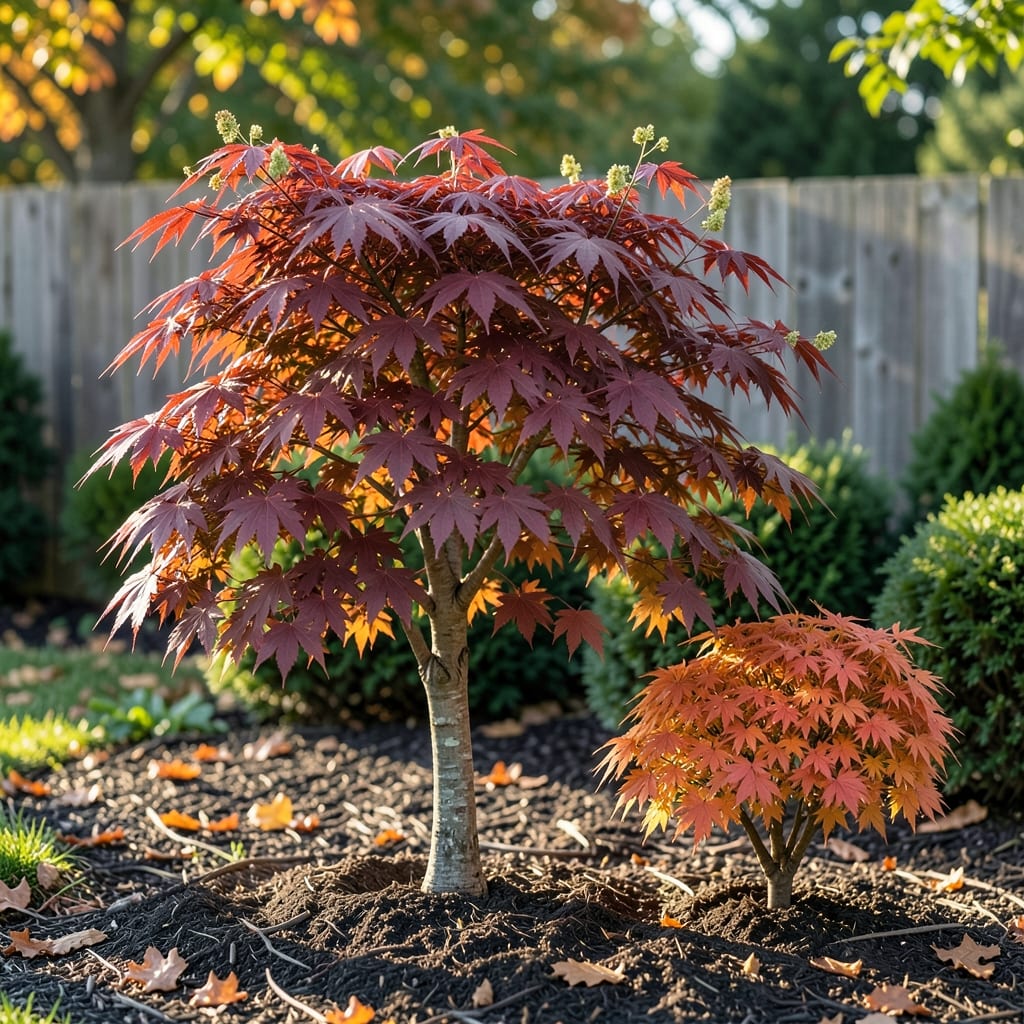
If you’ve ever wondered how tall can Japanese maples grow, the answer might surprise you—these stunning trees can range from tiny tabletop specimens to towering shade giants, all while keeping their delicate, colorful foliage. 🌿 Whether you’re dreaming of a bonsai-sized centerpiece or a grand backyard focal point, the height of your Japanese maple depends on its variety, care, and the space you give it.
Some dwarf varieties stay under 3 feet, perfect for containers or small gardens, while others stretch toward 30 feet—taller than most two-story houses. The key to controlling their growth lies in understanding their natural tendencies and how sunlight, soil, and pruning shape their future height.
In this guide, I’ll break down the height ranges of popular Japanese maple varieties, from compact cultivars to sky-reaching giants, and share expert tips to help you choose the perfect fit for your garden. Whether you’re a beginner or a seasoned gardener, you’ll learn how to nurture your tree to reach its full potential—without overpowering your space.
Ready to find the perfect-sized Japanese maple for your landscape? Let’s dive into the details so you can make an informed choice that’ll bring beauty to your outdoor space for decades.


Japanese maple height ranges by variety: from dwarf to giant specimens
Japanese maples (Acer palmatum) are famous for their compact forms and vibrant foliage, but their mature height can vary wildly depending on the cultivar. Some stay small enough for container gardening, while others grow into towering shade trees. Understanding these differences helps you choose the perfect tree for your space—whether it’s a patio centerpiece or a backyard giant.
The height of a Japanese maple is primarily determined by its genetic variety, but factors like pruning, soil quality, and sunlight exposure also play a role. For example, the Bloodgood cultivar can reach 20–25 feet in ideal conditions, while the Tamukeyama variety stays under 3 feet—perfect for bonsai enthusiasts.
Below is a breakdown of popular Japanese maple varieties, categorized by their mature height ranges. This will help you visualize which types fit your garden’s scale and design goals.
| Variety | Mature Height | Growth Habit | Best For |
|---|---|---|---|
| Dwarf Varieties | Under 3 ft | Compact, slow-growing | Containers, bonsai, small gardens |
| Tamukeyama | 2–3 ft | Upright, weeping branches | Patios, balcony gardens |
| Semi-Dwarf Varieties | 6–12 ft | Medium-sized, slow to moderate growth | Small to medium gardens, borders |
| Shishigashira | 8–10 ft | Upright, rounded canopy | Medium-sized landscapes |
| Standard Varieties | 15–30 ft | Tall, fast-growing (for maples) | Large gardens, shade trees |
| Bloodgood | 20–25 ft | Pyramidal, deep red foliage | Backyard focal points |
| Giant Varieties | Up to 30+ ft | Fast-growing, spreading canopy | Large estates, park settings |
| Acer palmatum 'Atropurpureum' | 25–30 ft | Broad, spreading branches | Shade trees, woodland gardens |
If you’re working with limited space, dwarf varieties like Tamukeyama or Shishigashira are ideal. These stay under 10 feet and thrive in containers or small gardens. For larger properties, standard or giant varieties like Bloodgood or Atropurpureum create dramatic focal points with their towering canopies.
Pro tip: Even standard-sized Japanese maples can be pruned to control height. Regular pruning in late winter or early spring encourages horizontal growth rather than vertical expansion, making them more manageable in smaller spaces.
For bonsai enthusiasts, some varieties like Beni Shishigashira or Kagiri are naturally slow-growing and respond well to pruning and wiring. These can be shaped into intricate, miniature forms that showcase the tree’s delicate foliage and graceful branches.
When selecting a Japanese maple, consider not just its height at maturity, but also its spread. Some varieties, like Bloodgood, have a wide canopy (up to 15–20 feet), while others like Tamukeyama stay narrow and upright. This balance ensures your tree fits harmoniously in your landscape without overwhelming nearby plants or structures.
🌿
How growth rate and pruning affect Japanese maple height
Understanding how a Japanese maple grows vertically is key to shaping its future size. While genetics set the baseline height, factors like soil quality, sunlight exposure, and pruning techniques can significantly influence whether your tree becomes a compact shrub or a towering specimen. Even the same variety can vary by 10 feet or more depending on these conditions.
The growth rate of Japanese maples is generally slow to moderate, with most varieties adding just 6–12 inches per year under ideal conditions. However, rich, acidic soil with excellent drainage can accelerate growth by up to 30%**, turning a 10-foot tree into a 15-footer in a decade. Conversely, poor soil or root-bound conditions (common in containers) can stunt growth entirely.
Sunlight plays a crucial role too. While Japanese maples thrive in partial shade, too much direct sun can stress the tree, leading to faster vertical growth as it stretches toward shade. This is why morning sun with afternoon shade is ideal—it balances growth while preserving the tree’s delicate foliage. In low-light conditions, growth slows, but the tree may become leggy and sparse.
Pruning for Height Control
Prune in late winter or early spring to shape your Japanese maple. Cutting back 1/3 of new growth encourages horizontal branching rather than vertical expansion. For bonsai-style trees, use wiring and pinching to guide growth direction.
Pruning isn’t just about trimming—it’s about training. If you want a low, bushy tree, prune the topmost branches to encourage lateral growth. For a taller, more upright form, avoid heavy pruning on the top and focus on thinning out lower branches. Remember, Japanese maples bleed sap when pruned in warm weather, so always prune in dormant season (late fall or winter) to minimize stress.
Seasonal growth patterns also matter. Most Japanese maples experience 90% of their annual growth in the first 6–8 weeks of spring. If you notice rapid vertical shoots during this time, prune them back immediately to redirect energy into branch thickness and foliage density. Over time, this practice keeps your tree compact and proportionate rather than tall and leggy.
For container-grown Japanese maples, root pruning every 2–3 years is essential. This involves gently trimming the outer roots to prevent root-bound stress, which can stunt growth. Pair this with regular repotting into slightly larger containers to give roots room to expand, which promotes healthier, more balanced growth.
🪴