
Vegetables
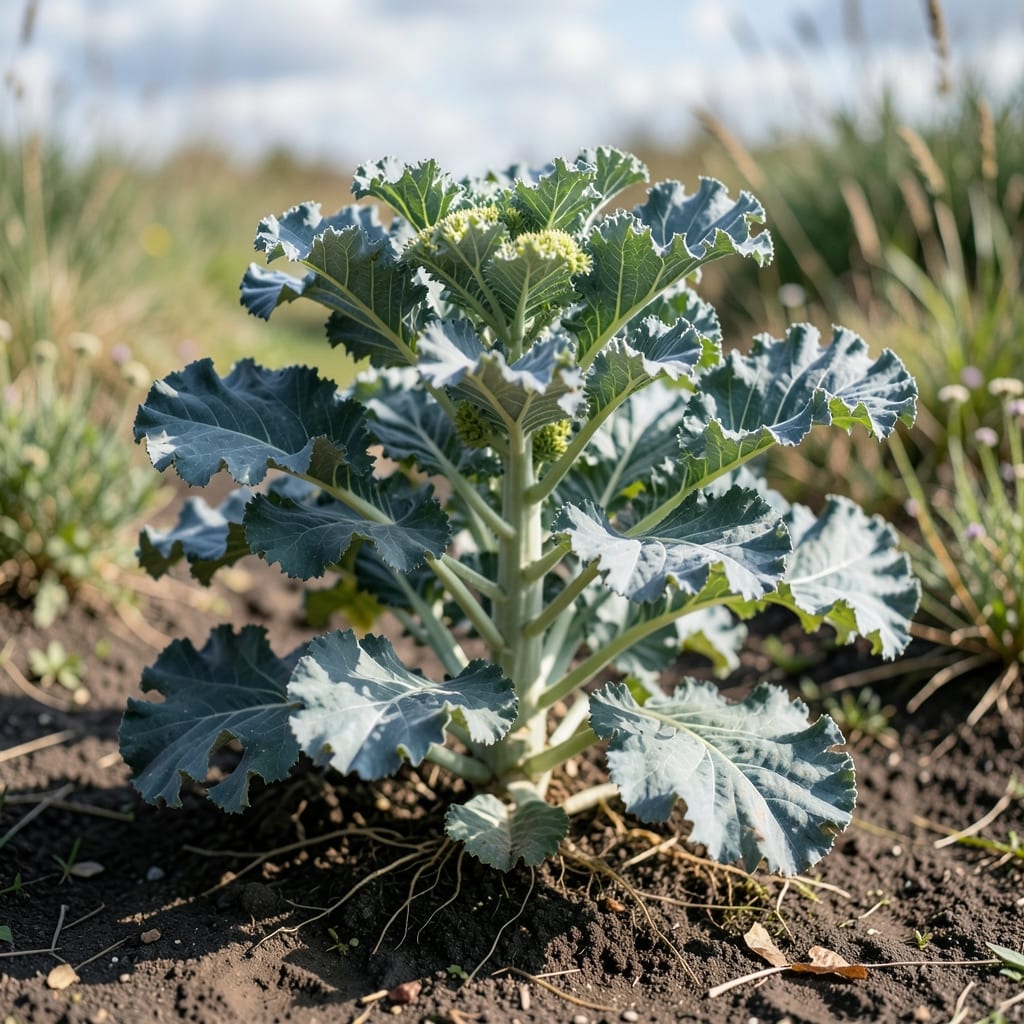
If you’ve ever wondered how tall can kale grow, the answer might surprise you—some varieties stay compact like a bushy salad, while others stretch taller than your average kitchen counter! Whether you’re growing 🥬 kale for its crisp leaves or just curious about its growth habits, understanding the height range is key to planning your garden layout and harvest strategy.
Kale isn’t one-size-fits-all when it comes to height. Dwarf varieties like ‘Dwarf Blue Curled’ max out around 12 inches, perfect for container gardens or small spaces, while towering types like ‘Red Russian’ can reach 3–4 feet or even 7 feet in ideal conditions. The difference often comes down to genetics, but sunlight, soil, and pruning play a big role too.
For home gardeners in USDA Zone 6a, timing matters—spring and fall plantings give kale the best shot at reaching its full potential. If your kale starts stretching too tall or leggy, don’t panic. With the right techniques, you can manage its height, maximize leaf production, and even turn it into a vertical garden feature. Let’s break down what influences kale’s height and how to work with it.
Ready to grow kale that’s both productive and visually impressive? I’ll share the secrets to encouraging the perfect height for your variety—whether you want a low, bushy plant or a towering green giant. Let’s get started!

Kale growth height by variety: compact vs. towering types
Kale isn’t a one-size-fits-all plant when it comes to height—some varieties stay as short as a dwarf tomato, while others tower like a small shrub. The difference comes down to genetics, with curly kale and lacinto varieties often reaching 3–7 feet when left unpruned, while dwarf types like 'Dwarf Blue Curled' max out at 12–18 inches. Understanding these differences helps you choose the right variety for your garden space and harvest needs.
Most home gardeners grow standard kale varieties like 'Winterbor' or 'Red Russian,' which typically reach 24–36 inches at maturity. These mid-height plants strike a balance between space efficiency and yield, making them ideal for both container gardens and in-ground plots. If you’re short on vertical space, dwarf varieties are your best bet—they thrive in hanging baskets or window boxes while still producing abundant leaves.
For those with tall garden beds or trellises, giant kale varieties like 'Vates' or 'Ruso' can grow up to 7 feet when given optimal conditions. These towering plants are perfect for vertical gardening or creating a dramatic focal point in your edible landscape. However, their height can make harvesting more challenging, so plan for sturdy supports or ladders if you choose these varieties.
🌱
| Variety Type | Height Range | Best For | Notes |
|---|---|---|---|
| Dwarf Kale | 8–18 inches | Containers, small spaces | Examples: 'Dwarf Blue Curled,' 'Mezcla' |
| Standard Kale | 24–36 inches | In-ground beds, raised beds | Examples: 'Winterbor,' 'Red Russian' |
| Giant Kale | 3–7 feet | Vertical gardens, trellises | Examples: 'Vates,' 'Ruso' |
| Lacinto Kale | 2–4 feet | Ornamental and edible | Examples: 'Lacinato,' 'Toscano' |
If you’re growing kale for continuous harvests, taller varieties may seem like a disadvantage—but they often produce larger leaves and can yield more over time. For example, a 7-foot 'Vates' plant can provide months of harvests if pruned correctly, while a 12-inch dwarf might bolt sooner in hot weather. The key is matching your variety to your garden layout and climate.
For urban gardeners or those with limited space, dwarf varieties are a game-changer. They mature faster and can be harvested more frequently, making them ideal for salad mixes or microgreens. Meanwhile, taller kale varieties excel in cool-season gardens where they can overwinter and provide early spring harvests. The choice ultimately depends on whether you prioritize space efficiency or long-term yield.
One common misconception is that all kale grows tall—when in reality, 80% of varieties stay under 3 feet. If you’re unsure which to pick, start with a mid-height variety like 'Winterbor,' which offers a balance of height, yield, and ease of care. For experimental gardeners, mixing dwarf and giant varieties in the same bed can create a visually stunning and functional edible border.
🌿
When selecting seeds, always check the seed packet for mature height estimates—this is your best guide. Some nurseries even label plants as "compact" or "tall," but these terms aren’t standardized. If you’re growing kale in containers, opt for dwarf varieties to prevent root-bound stress, which can stunt growth. For in-ground planting, taller varieties thrive when given 18–24 inches of spacing between plants to avoid competition.
Pro tip: If you love the look of tall kale but lack space, consider trellising your plants. Many giant varieties, like 'Ruso,' grow upright naturally and can be trained along a vertical trellis or cattle panel. This not only saves ground space but also makes harvesting easier by bringing the leaves to your eye level.
How to control kale height: pruning and spacing tips for optimal growth
If your kale is shooting up like a skyscraper instead of staying manageable, don’t panic—you’re not alone! Most home gardeners struggle with kale height control, especially when growing taller varieties like Lacinato or Red Russian. The good news? A few simple pruning techniques and spacing strategies can keep your kale at your desired height while maximizing leaf production.
First, let’s tackle the most common mistake: overcrowding plants. Kale needs room to breathe—literally! When seedlings are too close, they compete for nutrients and light, leading to leggy, tall growth as they stretch toward sunlight. For dwarf varieties (like Dwarf Blue Curled), space plants 12-18 inches apart. For standard varieties (like Winterbor), give them 24-36 inches of space to thrive without reaching for the sky.
- Overwatering leads to weak stems and top-heavy growth.
- Poor sunlight forces kale to stretch unnaturally toward light.
- Late pruning (after bolting) reduces harvestable leaves.
🌱 Pro Tip: Mulch around plants to retain moisture without overwatering.
Now, let’s talk pruning for bushier growth. Instead of letting kale grow tall and spindly, pinch off the top few leaves when plants reach 6-8 inches tall. This encourages the plant to branch out, creating a fuller, more compact bush. For continuous harvests, use the "cut-and-come-again" method: Snip outer leaves 1-2 inches above the stem, leaving the inner leaves to grow larger. Repeat every 2-3 weeks to keep your kale at a manageable height.
For tall-growing varieties (like Tuscan Kale), consider trellising or staking. Wrap plants gently with soft twine or use bamboo stakes to support their height without breaking stems. This not only controls sprawl but also makes harvesting easier—no more bending over! Just be sure to tie loosely to avoid restricting growth.
Seasonal timing matters too. In hot climates, kale may bolt (flower) faster, leading to rapid height increases. To prevent this, harvest early in the season and plant succession crops every 3-4 weeks for a steady supply of shorter, sweeter leaves. In cooler zones, kale often grows taller in fall and winter, so plan your pruning schedule accordingly—aim to keep plants under 2 feet for easier maintenance.
Remember, the key to controlling kale height is consistency. Monitor your plants weekly, adjust spacing as needed, and prune regularly. With these techniques, you’ll enjoy bushy, productive kale that stays at your preferred height—whether you want a low-growing salad bowl or a tall, dramatic garden statement. 🌿