
How To
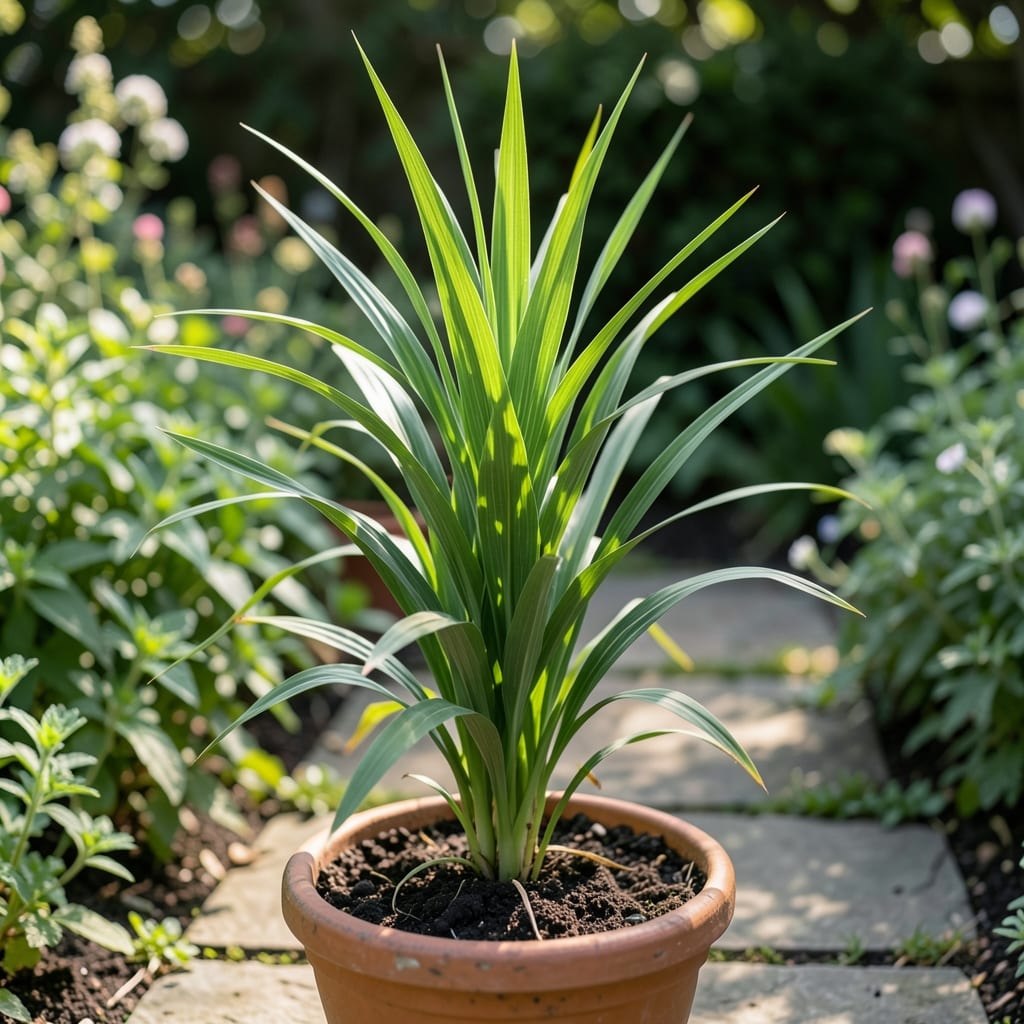
If you're wondering how tall can lemongrass grow, the answer might surprise you—this fragrant 🌿 can reach heights of 4 to 6 feet under the right conditions. Whether you're growing it for your kitchen or as an ornamental plant, its towering presence adds a tropical touch to any garden.
But here's the catch: lemongrass height depends heavily on your climate. In warmer zones like the tropics, it thrives year-round, while in cooler areas like USDA Zone 6a, it may grow shorter or act as an annual. The key to maximizing its height lies in understanding its needs—sunlight, soil, and water all play a role.
Let’s break down what influences lemongrass growth and how you can encourage it to reach its full potential. From pruning tips to ideal planting times, you’ll discover everything you need to know to grow lemongrass that’s not just tall, but healthy and productive.
Ready to turn your garden—or even a pot on your balcony—into a lemongrass powerhouse? The right care can make all the difference, and we’ll show you exactly how to do it.


Lemongrass height by climate zone: tropical vs temperate growth limits
If you're growing lemongrass (Cymbopogon citratus), its height potential depends heavily on your climate zone. In tropical regions, this fragrant grass can reach 5–6 feet tall with ideal conditions, while in cooler temperate zones, it may max out at 3–4 feet. The difference comes down to temperature, humidity, and daylight hours—factors we'll break down for you.
In USDA Zones 10–12 (tropical/subtropical), lemongrass thrives year-round, growing aggressively in warm, humid conditions. Here, it often surpasses 5 feet, especially with consistent care. Meanwhile, in Zones 6–9 (temperate), growth slows in winter, capping heights at 3–4 feet unless you overwinter it indoors or as a perennial.
Humidity also plays a key role. High humidity (70%+) in tropical climates fuels faster growth, while dry air in temperate zones can stunt lemongrass to just 2–3 feet without extra moisture. Even sunlight matters—6+ hours of direct sun daily is non-negotiable for reaching maximum height.
Let’s compare how these factors stack up across climate zones in the table below. This will help you set realistic height expectations for your lemongrass plants based on where you live.
For example, in Florida (Zone 10), I’ve seen lemongrass hit 6 feet tall in a single growing season, while in Texas (Zone 8), the same plants rarely exceed 4 feet without winter protection. If you’re in a cooler zone, consider growing lemongrass in containers so you can move it indoors during winter.
The soil type also influences height. Well-draining, sandy loam with a slightly acidic pH (6.0–6.5) encourages taller growth, while clay-heavy soil can limit lemongrass to just 2–3 feet due to poor root development. Amending your soil with compost or perlite can make a noticeable difference in height over time.
Another critical factor is watering consistency. Lemongrass in tropical climates benefits from daily watering during dry spells, while temperate-zone plants may only need watering every 3–5 days. Overwatering can cause root rot, stunting growth, while underwatering leads to brittle stalks that won’t reach their full potential height.
If you’re aiming for taller lemongrass, focus on these three priorities: full sun exposure, consistent moisture, and warmth retention. In cooler climates, use mulch or row covers to extend the growing season and help your plants reach their height goals.
Finally, remember that lemongrass is a perennial in warm climates but often treated as an annual in cold zones. In tropical areas, it can grow taller each year, while in temperate regions, you’ll likely need to replant from cuttings or seeds annually to maintain height.
Now that you know how climate shapes lemongrass height, let’s explore how to maximize growth in your specific growing conditions—whether you’re in a humid jungle or a dry temperate zone. 🌿
Lemongrass height by climate zone: tropical vs temperate growth limits
Lemongrass (Cymbopogon citratus) thrives in warm climates, but its height potential varies dramatically depending on your USDA zone. In tropical regions like Florida or Hawaii, expect 5–6 feet of lush growth, while temperate zones (like USDA 7–9) cap heights at 3–4 feet. The difference? Humidity, temperature consistency, and frost risk.
In tropical climates, lemongrass grows aggressively—reaching 6 feet or taller with minimal care. These zones offer year-round warmth (above 60°F) and high humidity, ideal for its rapid growth. Meanwhile, subtropical zones (like Southern California) see 4–5 feet of growth, with slower expansion in cooler months.
In temperate climates, lemongrass acts more like a short-lived perennial. It may hit 3–4 feet in its first year but often dies back in winter unless protected. Zones 6 and below struggle—lemongrass rarely exceeds 2 feet and may not survive frost.
| Climate Zone | Avg. Height | Key Factors | Growth Cycle |
|---|---|---|---|
| Tropical (10–12) | 5–6 ft | Year-round warmth, high humidity | Perennial |
| Subtropical (9–10) | 4–5 ft | Mild winters, moderate humidity | Perennial (may slow in winter) |
| Temperate (7–8) | 3–4 ft | Cooler winters, lower humidity | Short-lived perennial |
| Cool Temperate (6 or below) | 2–3 ft (may die back) | Frost risk, limited growing season | Annual (unless overwintered) |
Sunlight is the biggest height determinant. Lemongrass needs 6–8 hours of direct sun daily to reach its full potential. In shady spots, growth stunts to 2–3 feet, and stalks become thin and weak. Even in tropical zones, partial shade reduces height by 20–30%.
Humidity also plays a role—high humidity (like in Florida) speeds growth, while dry air (common in desert climates) slows it. If you’re in a low-humidity zone, mimic tropical conditions by watering deeply 2–3 times weekly and mulching to retain moisture.
Protecting your lemongrass from winter frosts can extend its lifespan and height in cooler climates. Use mulch or row covers to shield roots from temps below 40°F. With these adjustments, even Zone 7 gardeners can coax 4-foot stalks instead of the usual 2–3 feet. 🌿