
Size
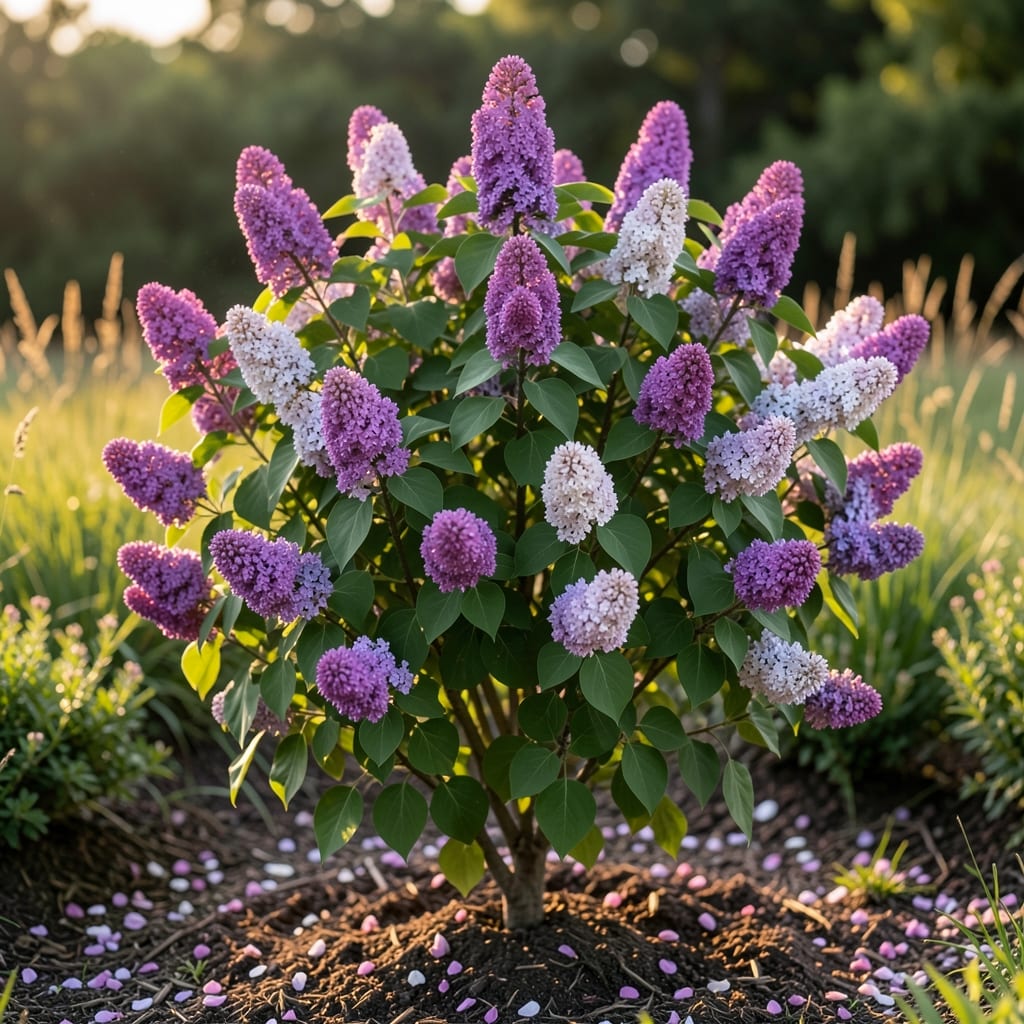
Have you ever looked at a lilac bush in full bloom and wondered how tall lilacs can grow before they start dominating your backyard? The answer might surprise you—some lilacs 🌸 can grow taller than you think, reaching heights that turn them from charming shrubs into small trees over time.
If you're planning your garden layout or just curious about how much space these fragrant beauties need, understanding their growth potential is key. From dwarf varieties that stay compact to standard types that can soar up to 15 feet, the size of your lilac depends on more than just luck—it’s all about variety, care, and a little strategic pruning.
In this guide, I’ll break down exactly how tall lilacs can grow in USDA Zone 6a, what factors influence their height, and how you can control their size to fit your garden perfectly. Whether you’re dreaming of a fragrant hedge or a towering centerpiece, you’ll find the insights you need to make it happen.
Let’s dive into the world of lilacs and discover how to grow them to your exact specifications—without sacrificing those intoxicating spring blooms.

Lilac growth heights: bush vs. tree form explained
Lilacs are one of those magical shrubs that can start as a modest 3-foot bush and, with time and ideal conditions, grow into a 15-foot tree. But most lilacs fall somewhere in between—typically reaching 6 to 12 feet at maturity. The key difference? Whether you prune them aggressively or let them grow naturally. Unpruned lilacs often develop a tree-like form, while pruned ones stay bushier and more compact.
Understanding this growth pattern helps you plan your garden layout. If you’re dreaming of a romantic lilac hedge, you’ll want to choose dwarf varieties or prune regularly. But if you’re okay with a statement shrub, let nature take its course. The transition from bush to tree form usually happens between years 5 and 10, depending on the variety and growing conditions.
Here’s the breakdown of what to expect over time:
- Year 1-2: 1–2 feet tall (focus on root establishment)
- Year 3-5: 3–6 feet (rapid vertical growth)
- Year 6-10: 8–12 feet (mature height for most varieties)
- Year 10+: Up to 15 feet (if unpruned and conditions are ideal)
| Growth Stage | Height Range | Form | Notes |
|---|---|---|---|
| Year 1-2 | 1–2 ft | Bush | Focus on root growth |
| Year 3-5 | 3–6 ft | Bush/Tree | Rapid vertical growth |
| Year 6-10 | 8–12 ft | Tree-like | Mature height for most |
| Year 10+ | Up to 15 ft | Tree | Unpruned, ideal conditions |
The tree form develops when lilacs grow tall enough for their lower branches to die back naturally, creating a bare trunk at the base. This is especially common in older lilacs or those planted in open, sunny spaces. If you love the romantic, overgrown look, embrace it! But if you prefer a neat, manicured appearance, regular pruning is a must.
One common misconception is that all lilacs grow into trees. In reality, dwarf varieties like ‘Minnesota Snowflake’ or ‘Dwarf Korean Lilac’ max out at 4 to 6 feet, making them perfect for small gardens or containers. Meanwhile, standard varieties like ‘Katherine Havemeyer’ or ‘President Lincoln’ can easily reach 12 to 15 feet without intervention.
Pruning plays a huge role in controlling height. If you prune lilacs immediately after flowering, you encourage bushier growth and slower vertical expansion. But if you skip pruning, expect that tree-like structure to emerge naturally. Even unpruned lilacs rarely exceed 15 feet, though, so they won’t overwhelm most backyards.
For those who love the fragrance and color but not the height, consider planting lilacs near fences or property lines where their natural spread can be contained. Their horizontal growth (often 6 to 10 feet wide) can create a stunning living border, even if they reach 10 feet tall. The key is balancing their height and width to fit your space.
Pro tip: If you’re planting lilacs in a windy area, their height can be stunted due to stress. Conversely, in protected, sunny spots, they’ll grow taller and fuller. Always choose a location that matches your desired mature size—whether that’s a compact bush or a towering tree.
🌸
5 Factors that influence how tall lilacs grow (and how to control them)
If you're wondering how to control your lilac's height, you're not alone—many gardeners struggle with this! The good news is that lilacs are highly adaptable, and their height is influenced by five key factors. Understanding these will help you steer your lilac toward your ideal size, whether that's a compact bush or a towering tree. Let’s break down what affects their growth and how you can manage it.
First up: soil quality. Lilacs thrive in well-draining, slightly alkaline soil with a pH between 6.0 and 7.5. Poor soil—like heavy clay or overly acidic ground—can stunt their growth, keeping them shorter than their potential. Amending your soil with compost or sand can encourage taller, healthier growth, while nutrient-poor soil may limit their height. Test your soil before planting to avoid surprises!
Next, sunlight exposure plays a huge role. Lilacs need full sun (6+ hours daily) to reach their maximum height. In partial shade, they’ll grow slower and stay shorter, often maxing out at 6 to 8 feet instead of 12+. If you’re planting in a shady spot, choose a dwarf variety to avoid disappointment. For taller lilacs, position them in the sunniest part of your yard, like near a south-facing fence.
- 1. Soil Quality: Well-draining, slightly alkaline soil promotes taller growth. Poor soil stunts height.
- 2. Sunlight: Full sun (6+ hours) encourages maximum height; partial shade keeps them shorter.
- 3. Pruning: Prune after flowering to control height; avoid pruning old wood.
- 4. Root Competition: Plant lilacs 6+ feet from trees to prevent stunted growth.
- 5. Climate: Warmer climates (Zones 5-7) support taller growth; colder zones may limit height.
Pruning is the most direct way to control lilac height. If you prune immediately after flowering, you encourage bushier, shorter growth. Cut back 1/3 of the oldest stems to the ground, but avoid pruning new growth—this can reduce next year’s blooms. For a tree-like form, prune less aggressively and let the lower branches die back naturally. Just remember: never prune lilacs in late summer or fall, as this can harm next year’s flowers.
Another often-overlooked factor is root competition. Lilacs have aggressive root systems, and if planted too close to trees or other large shrubs, their growth can be stunted. Give them at least 6 feet of space from trees and 3 to 5 feet from other shrubs. Competition for water and nutrients can keep them shorter, so plan your garden layout carefully to avoid crowding.
Finally, climate and USDA zone matter. Lilacs grow best in USDA Zones 3-7, but their height varies by region. In warmer zones (5-7), lilacs tend to grow taller and fuller, sometimes reaching 12 to 15 feet. In colder zones (3-4), growth may be slower, with mature heights closer to 6 to 10 feet. If you’re in a colder climate, choose hardy varieties like ‘Miss Canada’ or ‘Purple Plum’ to ensure healthy growth.
By mastering these five factors, you’ll have full control over your lilac’s height. Want a compact bush? Focus on pruning and partial shade. Dreaming of a towering tree? Give it full sun, rich soil, and space. With the right care, your lilac will grow exactly how you envision—without compromising those fragrant spring blooms.
🌿