
Size
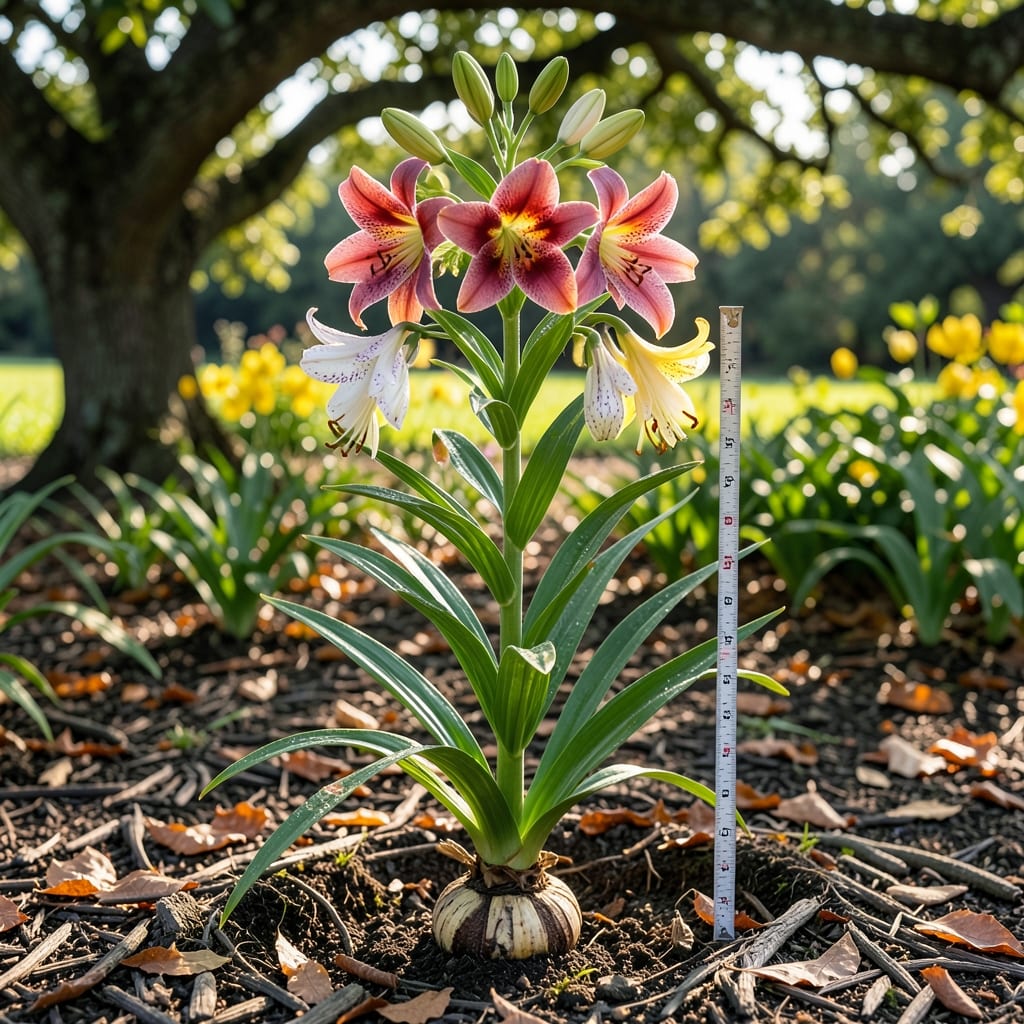
If you’ve ever wondered how tall lilies can grow in your garden, the answer might surprise you—these elegant blooms can stretch from just 2 feet to towering heights of 8 feet, depending on the variety. 🌸 Whether you’re dreaming of dramatic backdrops for your garden beds or space-saving options for containers, choosing the right lily can make all the difference in your outdoor design.
The height of lilies isn’t just about aesthetics—it’s also about how you care for them. Sunlight, soil quality, and even the right staking techniques can push those stems toward their full potential. But before you start planting, it’s worth knowing which varieties will thrive in your space and how to support their growth.
From the delicate Asiatic lilies that reach 3-4 feet to the majestic Trumpet lilies that can soar to 6-8 feet, each type has its own growth story. I’ll break down the tallest (and shortest) varieties so you can pick the perfect fit for your garden—no guesswork required.
Ready to turn your garden into a vertical masterpiece? Let’s explore how to maximize lily heights, avoid common mistakes, and keep those stems standing strong all season long.


Lily height ranges by variety: from dwarf to towering giants
Lilies are one of the most diverse flowering plants when it comes to height, ranging from dwarf varieties perfect for containers to towering giants that can reach basketball hoop heights. Understanding these ranges helps you choose the right lily for your space—whether you're designing a small urban garden or a sprawling backyard. Let’s explore the height categories and their ideal growing conditions.
Most gardeners categorize lilies into three main height groups: dwarf (1–3 ft), medium (3–5 ft), and tall (5–8 ft). Each group includes unique species and cultivars that thrive under specific conditions. For example, Asiatic lilies often stay between 2–4 feet, while Oriental lilies can stretch up to 6 feet or more. Knowing these distinctions ensures you plant lilies where they’ll flourish without crowding other plants.
Here’s a quick look at how lily heights compare to everyday objects: a 3-foot lily is about the height of a standard kitchen counter, while a 6-foot lily rivals the height of a basketball hoop. This comparison helps visualize how lilies can transform your garden’s vertical space, from adding drama to borders to creating natural privacy screens.
| Height Range | Popular Varieties | Growth Habit | Ideal Planting Spot |
|---|---|---|---|
| 1–3 ft (Dwarf) | Lilium martagon (Turk's Cap), Lilium candidum (Madonna Lily) | Compact, bushy stems; great for borders | Front of beds, containers, rock gardens |
| 3–5 ft (Medium) | Lilium asiatic hybrids (e.g., 'Enchantment'), Lilium davidii | Upright, sturdy stems; moderate spread | Mixed borders, cottage gardens, mid-height accents |
| 5–8 ft (Tall) | Lilium regale (Regal Lily), Lilium orientalis (Oriental Lily), Lilium 'Stargazer' | Tall, slender stems; dramatic vertical presence | Back of borders, privacy screens, focal points |
🌱 Pro Tip: Tall lilies often need staking or support to prevent flopping in wind or rain.
Dwarf lilies like Lilium martagon are ideal for small gardens or containers, where their 3-foot height adds charm without overwhelming the space. These varieties often bloom earlier in the season, making them perfect for spring color bursts. Their delicate, nodding flowers also attract pollinators like hummingbirds, adding an extra layer of garden interest.
Medium-height lilies, such as Asiatic hybrids, strike a balance between manageability and impact. They typically reach 3–5 feet and produce abundant blooms in vibrant colors like pink, red, and yellow. These lilies are low-maintenance and thrive in full sun to partial shade, making them versatile for various garden designs. For example, 'Enchantment' is a popular choice for its disease resistance and prolonged bloom time.
Tall lilies, including Oriental hybrids like 'Stargazer', are the showstoppers of the lily world. These varieties can reach 6–8 feet, making them perfect for creating dramatic backdrops or privacy screens. Their fragrant blooms and rich colors—often deep pinks, purples, and whites—add elegance to any landscape. However, their height requires careful planning, including adequate spacing and support structures to prevent damage from wind or heavy blooms.
One common misconception is that all lilies grow to similar heights regardless of variety. In reality, height differences are genetic and influenced by the specific lily species or hybrid. For instance, Trumpet lilies (like Lilium longiflorum*) often grow taller than Asiatics but may require warmer climates to thrive. Always check the cultivar description before planting to ensure the lily fits your garden’s size and conditions.
If you’re working with limited space, consider dwarf daylilies (not true lilies but often grouped with them). These can stay under 2 feet while still providing bold color and long-lasting blooms. For larger gardens, mixing tall and short lilies creates visual layers, with taller varieties anchoring the back and dwarf lilies adding texture at the front.
To maximize lily height potential, focus on optimal growing conditions. Tall lilies, in particular, benefit from well-draining soil, regular watering, and protection from strong winds. In the next section, we’ll dive deeper into how sunlight, soil, and care directly impact lily growth—so you can help your lilies reach their full height potential!
Lily height ranges by variety: from dwarf to towering giants
When planning your garden, knowing how tall lilies can grow helps you choose the perfect varieties for your space. Some lilies stay compact, while others reach for the sky—literally! The shortest lilies, like dwarf Asiatics, top out at just 2 feet, making them ideal for containers or small gardens. On the other end, Trumpet lilies and Oriental hybrids can soar to 6-8 feet, creating stunning vertical accents or privacy screens.
Understanding these height ranges ensures you pick lilies that fit your garden’s layout without overpowering smaller plants. For example, a 4-foot lily works beautifully in a border, while an 8-foot giant needs room to shine as a focal point. Let’s break down the categories so you can visualize their potential in your space.
| Height Range | Varieties | Best For |
|---|---|---|
| 2–4 ft | Dwarf Asiatics, Lilium martagon | Containers, borders, small gardens |
| 4–6 ft | Asiatic hybrids, Lilium canadense | Mixed borders, mid-height accents |
| 6–8 ft | Trumpet lilies, Lilium regale | Privacy screens, focal points, large gardens |
🌱 Pro Tip: Always check the specific cultivar’s height—some Lilium regale can exceed 8 feet!
If you’re wondering how tall lilies grow in your climate, consider your USDA hardiness zone. Cooler zones may see slightly shorter growth, while warmer regions can push lilies to their maximum height. For example, Oriental lilies in Zone 7 often reach 7 feet, while the same variety in Zone 4 might max out at 5 feet due to shorter growing seasons.
For tall lilies (6+ feet), proper staking and spacing are key. Plant them 12-18 inches apart to prevent overcrowding, which can stunt growth. Use bamboo stakes or garden rings to support heavy blooms, especially in windy areas. Without support, even the tallest lilies can flop over, ruining their dramatic effect.
One common misconception is that all lilies grow tall—daylilies (Hemerocallis), often mistaken for true lilies, rarely exceed 3 feet. True lilies, however, offer a wider range of heights, so choose wisely based on your garden’s vertical potential. Whether you’re aiming for a whimsical cottage garden or a modern, structured landscape, lilies can adapt to your vision.
Ready to pick the perfect lily for your space? Start by measuring your garden’s height zones—then let these stunning blooms reach for the sky! ✂️