
Flowers
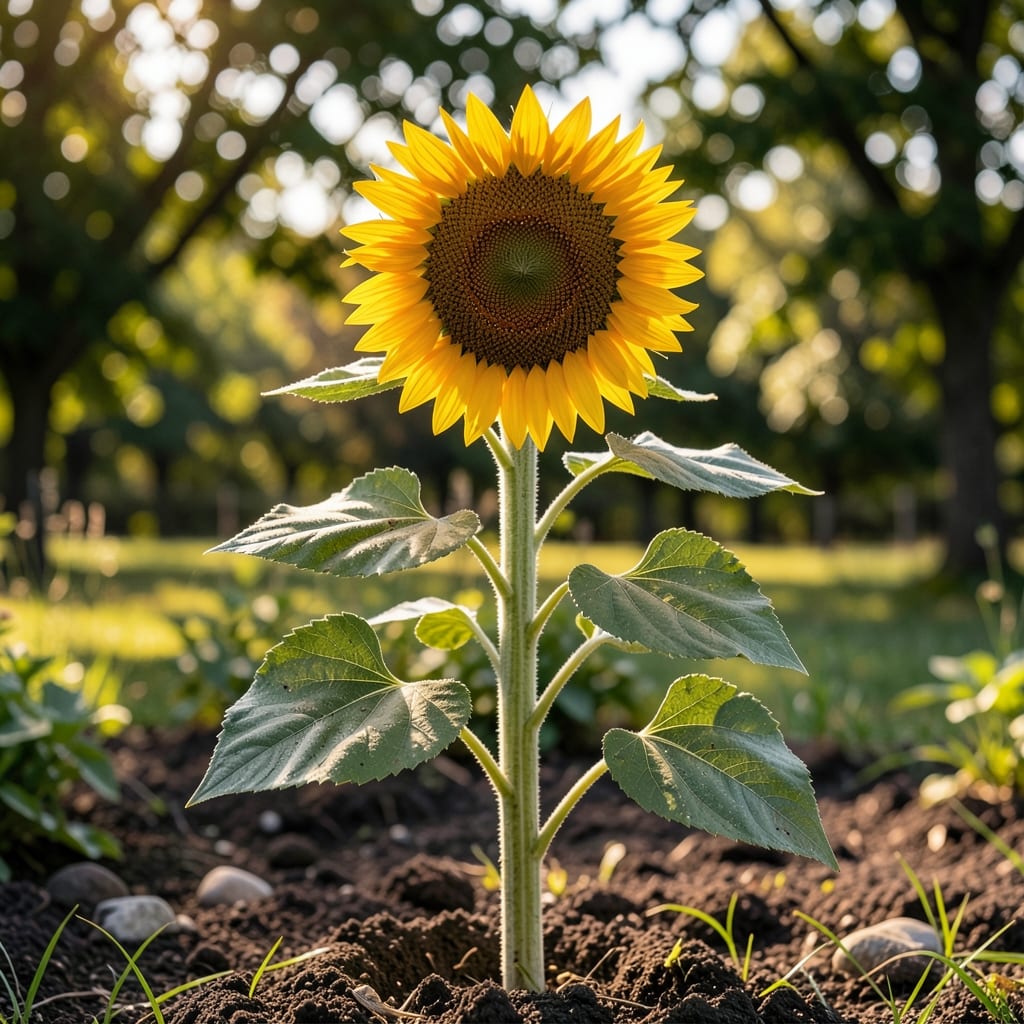
If you're dreaming of sunflowers that reach for the sky like nature's skyscrapers, the Mammoth Sunflower 🌻 might just be your garden's new star—but how tall can these giants really grow? Some varieties stretch an astonishing 12 to 16 feet, dwarfing even the tallest basketball hoops, while others surprise with compact yet impressive heights.
What makes these sunflowers grow so tall? The answer lies in their genetics, growing conditions, and a little extra care. Whether you're working with USDA Zone 6a soil or a sunny urban balcony, understanding their growth potential helps you plan your garden layout and support their impressive stature.
In this guide, I'll break down the height ranges by variety, share space-saving tips for small gardens, and reveal common mistakes that stunt growth. By the end, you'll know exactly how to nurture your Mammoth Sunflowers to reach their full potential—without sacrificing your garden's layout.
Ready to grow sunflowers that turn heads? Let's dive into the secrets of their towering success and how you can make it happen in your own backyard.


Mammoth sunflower height records by variety: what to expect in your garden
Mammoth sunflowers are the giants of the garden, with some varieties reaching heights that rival two-story buildings. The most famous, like the 'Russian Giant', can tower 14 to 16 feet tall, while others like 'Mammoth Single' stay slightly shorter at 10 to 14 feet. These differences aren’t just random—they’re shaped by genetics, growing conditions, and even your local climate.
If you’re planning your garden layout, knowing these height ranges helps you avoid overcrowding and ensures your sunflowers have room to thrive. For example, a 16-foot sunflower needs at least 3 feet of space around it to prevent shading and competition for nutrients. Without proper spacing, you might end up with stunted growth or leggy stems that struggle to support their own weight.
Here’s a quick look at how some of the most popular Mammoth sunflower varieties compare in height, along with what influences their growth potential:
| Variety | Average Height | Max Recorded Height | Growth Notes |
|---|---|---|---|
| Russian Giant | 14–16 ft | 18 ft (recorded) | Fast-growing, needs staking |
| Mammoth Single | 10–14 ft | 15 ft | Single blooms, sturdy stems |
| American Giant | 12–16 ft | 17 ft | Drought-tolerant, tallest in US |
| Mammoth Russian | 12–15 ft | 16 ft | Early bloomer, cold-hardy |
| Dwarf Mammoth | 8–10 ft | 12 ft | Compact, great for containers |
The 'Russian Giant' variety holds the record for the tallest sunflower ever grown—18 feet! This variety thrives in USDA Zone 6a and beyond, where long, warm summers give it the time it needs to stretch toward the sky. However, its rapid growth means you’ll need to stake it early to prevent toppling in wind or rain.
If you’re in a cooler climate or have a shorter growing season, varieties like 'Mammoth Russian' or 'American Giant' are better choices. They mature faster and still reach impressive heights, making them ideal for northern gardens. For urban gardeners or those with limited space, dwarf varieties like 'Dwarf Mammoth' offer a compromise—still tall enough to impress but manageable in containers or small plots.
Genetics play a huge role in height, but growing conditions can push your sunflowers even taller—or stunt them if neglected. Full sun exposure (at least 6–8 hours daily) and well-draining soil rich in organic matter are non-negotiables. Without these, even the hardiest varieties will struggle to reach their potential. For example, a 'Russian Giant' planted in partial shade might only grow to 10–12 feet instead of its full 14–16 feet.
One surprising factor is wind exposure. While some gardeners worry about wind damaging tall sunflowers, a gentle breeze actually strengthens their stems by encouraging thigmomorphogenesis—a process where plants grow thicker stems in response to touch or movement. However, strong winds can cause bending or even breakage, so positioning your sunflowers near a windbreak or trellis is a smart move.
For the most accurate height predictions, consider your local growing conditions. In arid climates, sunflowers may grow taller but with thinner stems, while humid regions can lead to fungal issues that weaken growth. Always start with high-quality seeds from reputable suppliers, as hybrid varieties are bred for consistency and vigor.
Ready to grow sunflowers that reach for the sky? The key is choosing the right variety for your space and giving it the care it deserves. With the right conditions, your Mammoth sunflowers could become the tallest stars in your garden—and a conversation piece for years to come. 🌻
Space-saving tips for growing tall Mammoth sunflowers in small gardens
Growing Mammoth Sunflowers in a small garden doesn’t mean you have to sacrifice their towering beauty. With the right techniques, you can accommodate these giants—even in limited spaces. The key is leveraging vertical growth, strategic companion planting, and smart pruning to maximize your garden’s potential without overwhelming it.
One of the most effective strategies is using trellises or stakes. These support structures help guide the sunflower’s growth upward, reducing the need for excessive horizontal space. A simple bamboo stake or a sturdy metal trellis can make a world of difference, allowing your sunflowers to reach their full 12-16 foot height without sprawling.
If trellising isn’t an option, consider planting dwarf or semi-dwarf varieties like 'Teddy Bear' or 'Moulin Rouge.' These varieties can still reach 8-12 feet but are more manageable in containers or smaller plots. Pairing them with low-growing companions like marigolds or nasturtiums adds color and helps control weeds.
🌱 Top 5 Space-Saving Strategies
- 1. Use Trellises: Install stakes or trellises at planting to support vertical growth.
- 2. Choose Dwarf Varieties: Opt for 'Teddy Bear' or 'Moulin Rouge' for heights under 12 feet.
- 3. Container Gardening: Grow in large pots (15+ gallons) with proper drainage.
- 4. Prune Strategically: Remove lower branches to reduce sprawl and focus energy upward.
- 5. Companion Planting: Pair with low-growing plants like basil or lettuce to save space.
For urban gardeners or those with balconies, container gardening is a game-changer. Use large pots (at least 15 gallons) with well-draining soil and place them in full sun.
Another clever trick is pruning for control. By removing lower branches or side shoots, you encourage the plant to channel its energy into upward growth rather than spreading outward. This not only saves space but also improves airflow, reducing the risk of fungal diseases like powdery mildew.
Finally, think about your garden’s layout. Planting sunflowers along fences or near the back of raised beds keeps them contained while still making a dramatic statement. With these tips, you can enjoy the majesty of Mammoth Sunflowers—even in the smallest of spaces!