
Size
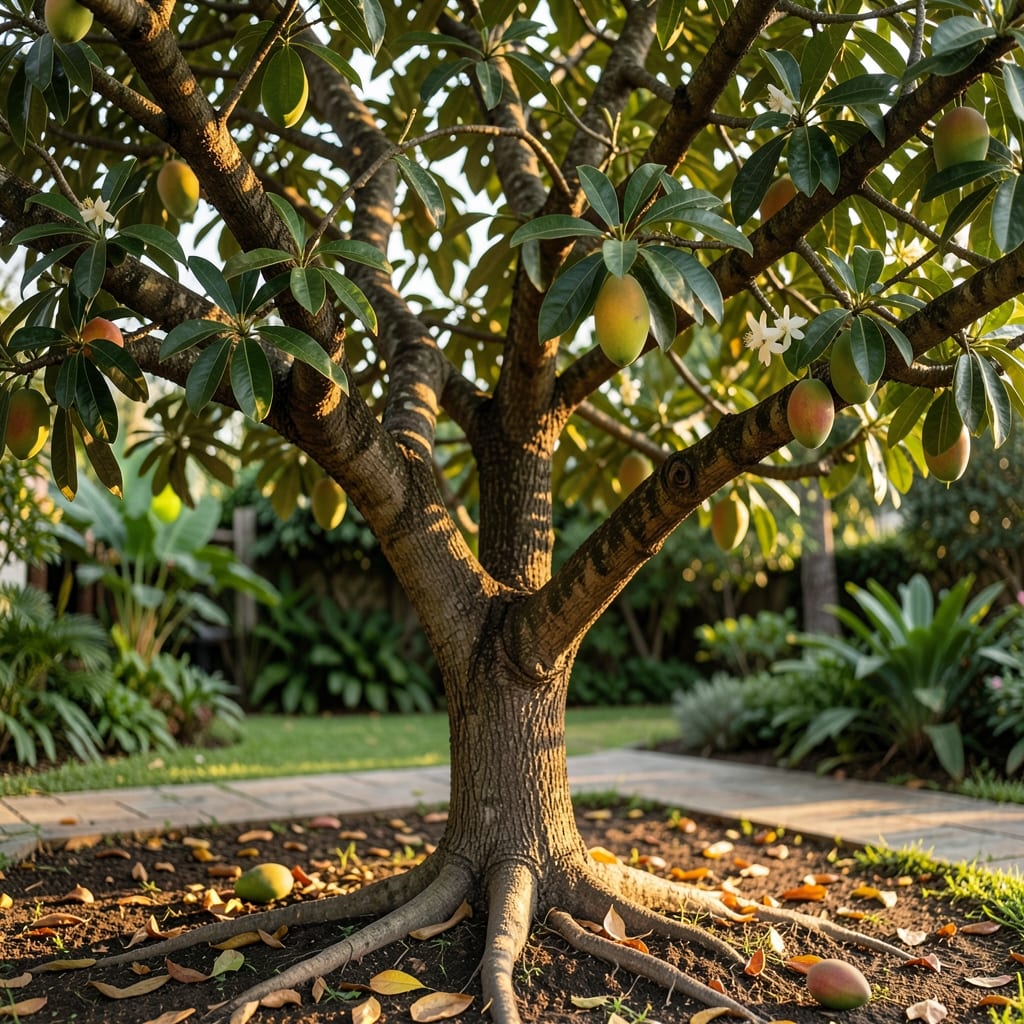
Ever wondered how tall can mango trees grow if your backyard could host one that stretches taller than your house? The answer isn’t just yes—it’s a 100-foot yes for some varieties, while others stay cozy at just 15 feet. That’s right: the height of a mango tree depends on more than just its roots—climate, pruning, and even the variety you pick play starring roles.
If you’re dreaming of fresh mangoes but worried about space, don’t sweat it. We’ll break down the tallest tropical giants and the dwarf varieties perfect for containers or small gardens. Whether you’re in USDA Zone 10-11 or just love the idea of growing your own tropical fruit, there’s a mango tree that fits your space—and your taste.
Curious how to keep a mango tree from becoming a jungle monster? The secret lies in pruning techniques and soil care that can shrink even the tallest varieties down to manageable heights. Plus, we’ll share tips for container gardening so you can enjoy mangoes on your patio without sacrificing your lawn.
Ready to turn your garden—or even your balcony—into a mango paradise? Let’s dive into the height secrets of mango trees and how you can grow the perfect one for your space.


Mango tree height by variety: from dwarf to 100-Foot giants
Mango trees are famous for their dramatic height variations—some stay small enough for a patio, while others reach for the sky like tropical skyscrapers. The average mango tree grows between 60-100 feet, but dwarf varieties can stay as short as 10-15 feet. Your choice of variety isn’t just about space; it’s about the growth rate, fruit quality, and even your climate zone.
For example, the 'Cogshall' mango is a popular dwarf variety that tops out at 15-25 feet, perfect for containers or small backyards. On the other end of the spectrum, the 'Alphonso' variety can soar to 80-100 feet, requiring acres of space in tropical climates. Let’s explore the height ranges by category so you can pick the perfect mango tree for your garden.
🥭
| Variety Type | Mature Height | Growth Rate | Best For |
|---|---|---|---|
| Dwarf Varieties | 10–15 ft | Slow to moderate | Containers, small yards |
| Semi-Dwarf | 20–30 ft | Moderate | Backyards, urban gardens |
| Standard | 40–80 ft | Fast | Large properties, farms |
| Giant Tropical | 80–100+ ft | Very fast | Tropical plantations |
🌿 Pro Tip: Dwarf varieties often grow on dwarfing rootstock, which limits their height while maintaining fruit production.
The 'Cogshall' mango, for instance, is a dwarf variety that thrives in containers and produces sweet fruit in just 3-5 years. Meanwhile, the 'Haden' variety, a standard-sized mango, can reach 60-80 feet and is a favorite in Florida and California orchards. If you’re in USDA Zone 10-11, you’ll find that tropical giant varieties like 'Alphonso' or 'Keitt' grow fastest but need plenty of space.
Even within the same category, growth rates vary. A standard mango tree might grow 3-5 feet per year in ideal conditions, while a dwarf variety grows just 1-2 feet annually. This means your 10-foot-tall 'Cogshall' could take 5-10 years to mature, while a 60-foot 'Haden' might reach full height in 15-20 years.
🌳
Choosing the right variety isn’t just about height—it’s also about fruit flavor, disease resistance, and climate adaptability. For example, 'Julie' is a semi-dwarf variety that grows 20-30 feet tall and is cold-hardy enough for Zone 9, making it a great pick for subtropical climates. Meanwhile, 'Kent', another dwarf variety, stays under 15 feet and is perfect for container gardening in Zone 10-11.
If you’re in a small urban garden or a balcony patio, dwarf varieties are your best bet. They’re also easier to prune and maintain, making them ideal for first-time mango growers. On the other hand, if you have acres of land in a tropical climate, a standard or giant variety will reward you with larger fruit yields and shade for your entire property.
🪴
One common misconception is that all mango trees need to be giant jungle monsters. In reality, with the right rootstock and pruning techniques, you can keep even a standard variety at a manageable height. For instance, grafting a 'Haden' scion onto a dwarfing rootstock can reduce its mature height by 50% or more. This is how many commercial orchards keep their trees under control while maximizing fruit production.
Before you plant, consider your long-term goals. Do you want a shade tree, a fruit producer, or both? A dwarf variety might be perfect for patio dining under its branches, while a tall standard tree could become the centerpiece of your
Climate and soil factors that control mango tree height
Did you know your mango tree’s final height can swing by 50 feet depending on where you live? That’s right—climate and soil conditions are the secret ingredients behind those towering jungle giants or your compact backyard variety. In tropical zones (USDA 10-11), mango trees thrive with 100-foot potential, while cooler subtropical areas (like parts of Florida or California) cap them at 30-50 feet without extra care.
Sunlight is another game-changer. Mango trees crave 6+ hours of direct sun daily—any less, and you’ll see stunted growth or weak branches. Even in ideal climates, partial shade can shrink a tree’s mature height by 20-30%. Think of it like a sunbathing teenager: too little sun, and they’ll never grow into their full potential.
Now, let’s talk soil drainage. Mango trees hate soggy roots—waterlogged soil leads to root rot, which stunts growth and weakens the tree’s structure. In areas with heavy clay, amending soil with sand or compost can keep your tree’s roots happy and encourage a healthier, taller growth pattern. Poor drainage isn’t just bad for height; it’s a recipe for a sad, struggling tree.
🌱 Key Factors Affecting Mango Tree Height
- Climate: Tropical zones (10-11) = 100+ ft | Subtropical = 30-50 ft
- Sunlight: 6+ hours daily = full growth | Partial shade = stunted growth
- Soil Drainage: Well-draining soil = strong roots | Waterlogged = root rot
- Pruning: Regular pruning = controls height | No pruning = wild growth
- Rootstock: Dwarfing rootstock = compact trees | Standard rootstock = tall giants
Pruning plays a huge role in managing height, especially if you’re working with a standard variety that wants to reach for the sky. Strategic pruning in late winter or early spring can keep your tree at a manageable 15-25 feet, even if its genetics say otherwise. Just remember: prune 1/3 of the canopy at a time to avoid shocking the tree.
Don’t overlook the rootstock either. Many commercial mango trees are grafted onto dwarfing rootstock, which naturally limits height. If you’re buying a ‘Cogshall’ mango (a popular dwarf variety), you’ll likely see it stay under 15 feet—perfect for containers or small yards. But if you’re growing from seed, you’re rolling the dice on a wildcard height between 30-100 feet.
Urban vs. rural environments also make a difference. Trees in rural areas with more space and fewer obstructions grow taller, while urban trees often hit nearby structures (like power lines or roofs) and get pruned back aggressively. This can actually stunt their natural growth over time, so if you’re growing in a city, plan ahead with regular pruning to keep things in check.
So, whether you’re in a tropical paradise or a subtropical backyard, remember: your mango tree’s height is a mix of genetics, care, and environment. With the right conditions, even a dwarf variety can thrive—and with a little extra love (and pruning), you can keep a 100-foot giant from taking over your property. 🌳