
How To
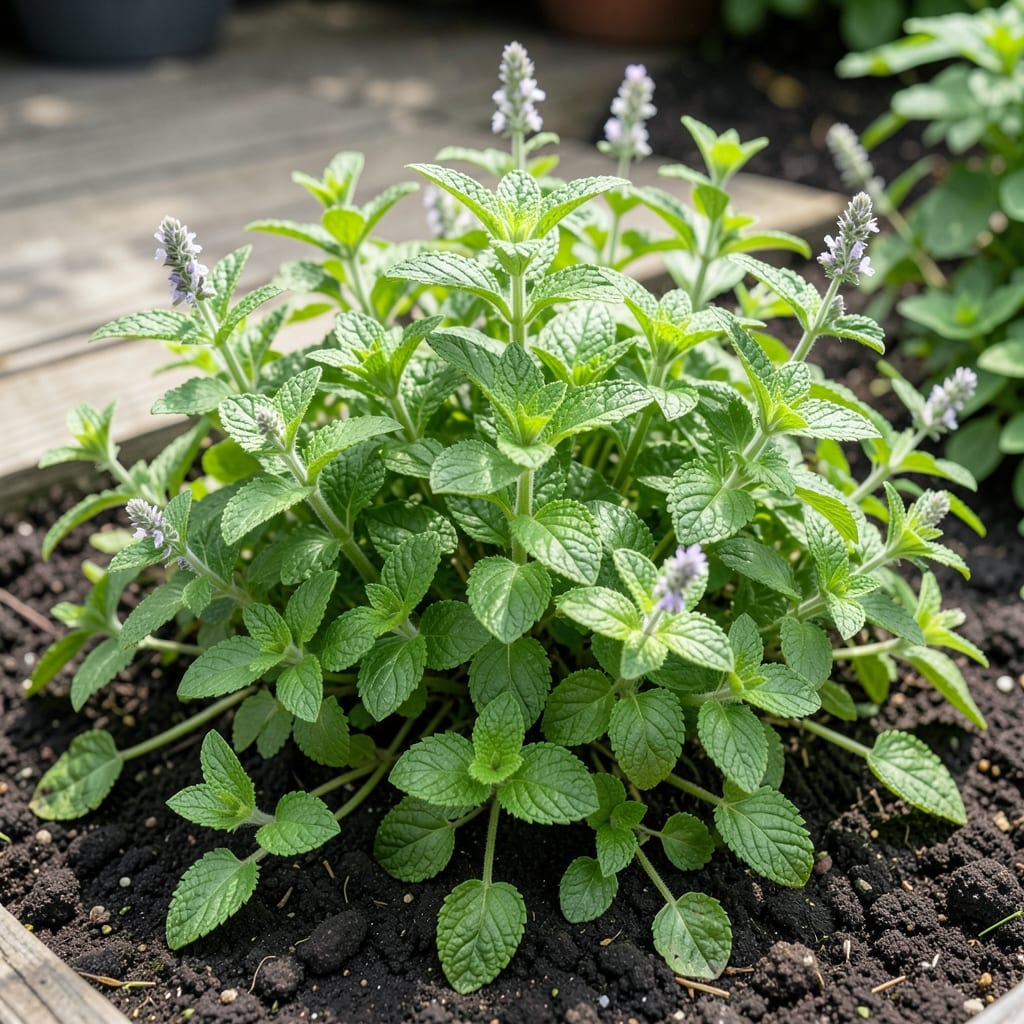
If you’ve ever wondered how tall can mint grow, you’re not alone—this fast-growing herb has a knack for surprising gardeners with its rapid spread. 🌿 While most varieties top out around 3–4 feet, some aggressive types can stretch toward 5 feet if left unchecked, especially in ideal conditions.
The secret lies in mint’s sprawling rhizomes, which send out shoots in all directions, turning your neat garden into a mint jungle faster than you can say “harvest time.” But don’t worry—this isn’t all bad news. Understanding its growth habits is the first step to keeping it under control while still enjoying fresh leaves all season.
In this guide, I’ll break down what influences mint’s height—from sunlight and soil to pruning techniques—and share 5 proven ways to manage its spread without sacrificing your yield. Whether you’re growing it in pots or the ground, you’ll learn how to tame this herb’s wild side.
Ready to stop mint from taking over? Let’s dive into the science and strategies that’ll keep your garden (and your mint) in check.


Mint growth height limits: why it can reach 5 feet (and how to control it)
Mint (Mentha spp.) isn’t just a fast-spreading ground cover—it’s a vertical climber too. Under ideal conditions, mint can grow 3 to 5 feet tall, with some aggressive varieties like peppermint or apple mint reaching even higher. This rapid growth happens because mint spreads via rhizomes (underground stems) while also sending up erect, woody stems that support its height.
The 5-foot limit isn’t a hard rule, though. Without pruning, mint can sprawl outward 2 to 3 feet while climbing vertically, creating a dense, bushy plant that can outcompete nearby flowers or veggies. The key factors influencing its height are sunlight exposure, soil fertility, and pruning habits—all of which we’ll break down next.
| Factor | Impact on Height | Control Tips |
|---|---|---|
| Sunlight | Full sun (6+ hrs) → 4–5 ft tall Partial shade (4–6 hrs) → 2–3 ft tall |
Prune back in afternoon sun to reduce stress. |
| Soil Fertility | Rich, moist soil → Faster vertical growth Poor soil → Stunted, leggy growth |
Use well-draining soil with compost to balance growth. |
| Pruning | No pruning → Wild, 5+ ft spread Regular pruning → Compact, 1–2 ft bush |
Trim flower spikes and overlong stems weekly. |
| Container Size | Small pot (5–10 gal) → 1–2 ft tall Large bed → 3–5 ft tall |
Use deep containers (12+ inches) to limit root spread. |
Mint’s natural height depends on its species. For example, **peppermint (Mentha × piperita) often tops out at 4 feet, while spearmint (Mentha spicata) typically stays between 2 and 3 feet. However, if left unchecked in loamy, fertile soil with full sun, even spearmint can shoot up to 5 feet—think of it as a herbaceous shrub rather than a ground cover.
One common misconception is that mint’s height is fixed. In reality, it’s highly adaptable. For instance, container-grown mint in a 5-gallon pot will rarely exceed 2 feet, while the same plant in a garden bed can double in height. This adaptability makes mint both a gardener’s dream and nightmare—ideal for harvesting but prone to escaping its boundaries.
To maximize flavor and control height, focus on pruning young stems (before they woody up) and harvesting leaves regularly. This encourages bushier growth and prevents the plant from directing energy upward. A well-pruned mint plant will stay compact and productive, yielding more leaves per square inch than a towering, unmanaged specimen.
Another critical factor is watering. Mint thrives in moist but not soggy soil, and overwatering can lead to leggy, weak stems that stretch upward for sunlight. Aim for 1 inch of water per week, and always water at the base (not the leaves) to avoid fungal issues that weaken the plant’s structure.
If you’re growing mint in USDA Zones 5–9, its height will also vary by season. In spring and summer, when growth is most vigorous, expect rapid vertical expansion. By fall, mint often shrinks back unless protected by mulch or a cloche. In winter, most mint varieties die back to the ground, only to resprout from rhizomes in spring—another reason it’s so hard to eradicate!
For urban gardeners or small-space growers, the solution is simple: grow mint in containers. A 12-inch-deep pot with drainage holes will keep roots confined, limiting height to 1–2 feet while still yielding plenty of leaves. Just be sure to repot every 2 years to refresh the soil and prevent root-bound stress.
Finally, remember that mint’s height isn’t just about aesthetics—it’s tied to harvest quality. Taller mint plants often produce stiffer, less flavorful leaves, while shorter, bushier plants yield tender, aromatic foliage. By controlling its growth, you’re not just keeping it tidy; you’re boosting its culinary value.
Ready to harness mint’s growth potential without losing control? The next section reveals 5 proven containment strategies that keep mint lush, productive, and—dare we say—well-behaved**.
Mint growth height limits: why it can reach 5 feet (and how to control it)
Mint isn’t just a fast-spreading ground cover—it’s a vertical climber too. Left unchecked, many mint varieties can grow 3–5 feet tall, thanks to their aggressive rhizome system that sends up new shoots constantly. The spearmint and peppermint varieties, in particular, are notorious for reaching 4–5 feet in ideal conditions.
This rapid growth isn’t just about height—it’s also about horizontal spread. Mint’s rhizomes can creep up to 3 feet outward per year, making it a garden takeover artist if you’re not careful. The key to controlling its height lies in understanding its growth triggers, like sunlight exposure, soil nutrients, and water availability.
| Factor | Impact on Height | Control Tip |
|---|---|---|
| Sunlight | Full sun (6+ hrs) = taller, leggier growth (up to 5 ft) | Provide partial shade (4–6 hrs sun) for compact growth |
| Soil Fertility | Rich soil = faster, taller growth (3–4 ft) | Use well-draining soil with moderate nutrients |
| Watering | Overwatering = weaker stems, taller sprawl | Water deeply but infrequently (every 3–5 days) |
| Pruning | No pruning = uncontrolled height (4–5 ft) | Trim regularly to encourage bushiness |
| Container Size | Large pots = taller growth (up to 3 ft) | Use shallow containers (12" deep) for compact plants |
The Mentha genus includes over 600 species, but most common garden mints—like peppermint and apple mint—can hit 4–5 feet when happy. Even dwarf varieties may still reach 2–3 feet if given ideal conditions. The secret to shorter mint? Limit sunlight to 4–6 hours daily and prune aggressively every 4–6 weeks.
For container gardening, choose pots with drainage holes and 12–18 inches of depth—this restricts root spread and keeps heights under 2–3 feet. If you’re growing mint in ground beds, install underground barriers (like buried plastic sheets) to contain those invasive rhizomes.
Remember: Flowering mint grows taller and produces seed stalks that can reach 5+ feet. To prevent this, pinch off flowers as soon as they appear. This redirects energy into leafy growth instead of vertical spikes.
With the right light control and pruning routine, you can keep mint at a manageable 1–2 feet while still enjoying a bountiful harvest. The key is consistency—mint responds quickly to care, so stay vigilant! 🌿