
Plants
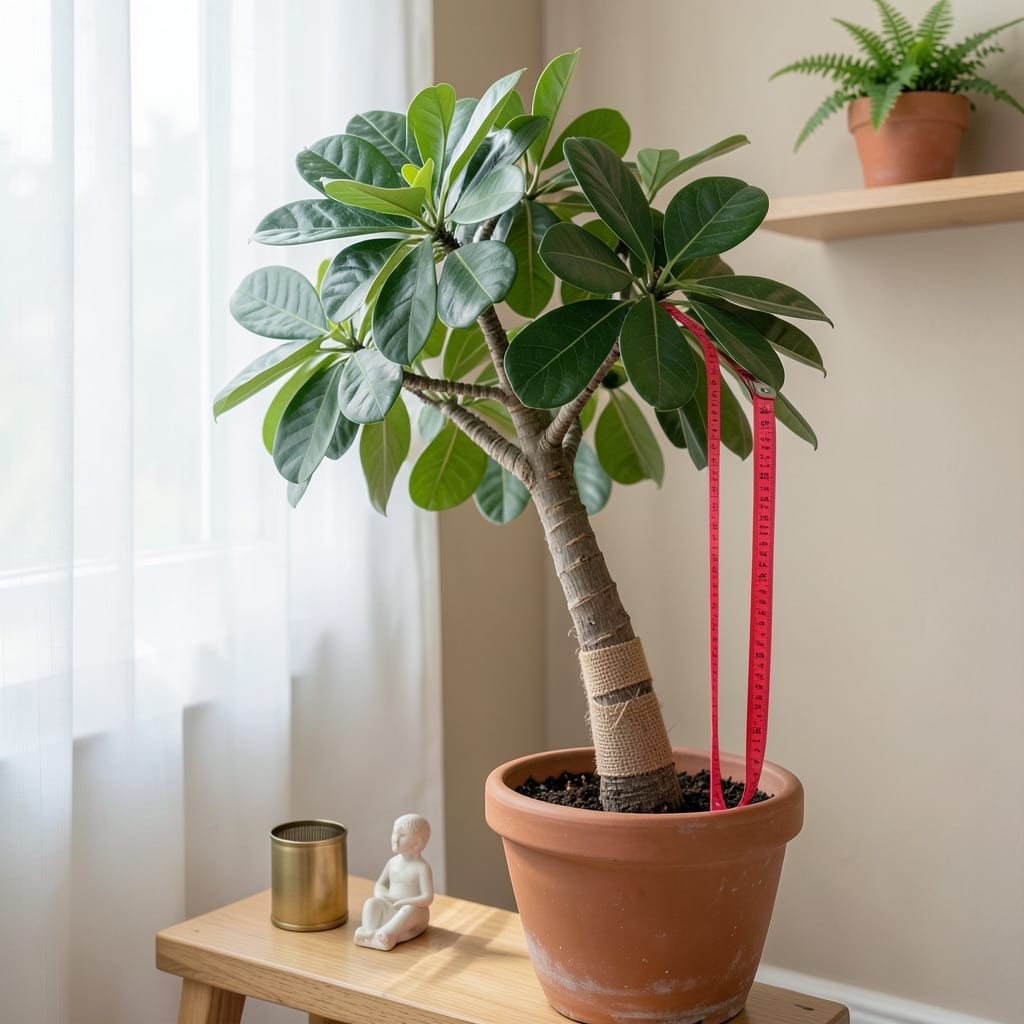
Wondering how tall can money trees grow before they become unruly giants in your home? These tropical plants—often called 💰 Pachira aquatica—can surprise you with their growth potential, reaching heights of 6 to 10 feet indoors if left unchecked. But don’t worry, you’re not stuck with a jungle in your living room.
The secret to controlling their size lies in understanding your specific variety and care habits. Some dwarf types stay compact at just 3 to 5 feet, while others grow aggressively if given ideal conditions like bright indirect light and spacious pots. Pruning isn’t just for shaping—it’s the key to managing their height and keeping them at your preferred size.
Whether you’re dreaming of a bonsai-style money tree or simply want to keep it as a tabletop centerpiece, we’ll cover everything you need to know. From braiding techniques to outdoor growth potential in warmer climates, you’ll learn how to nurture your plant without losing control of its size.
Let’s dive into the factors that influence money tree growth and how you can shape your plant’s future—whether you want it to stay small or grow tall. The choice is yours, and the tips ahead will help you make it happen.

Money tree height limits by variety: from dwarf to towering giants
Your money tree’s final height depends entirely on its variety and care. While most Pachira aquatica plants reach 6 to 10 feet indoors if unpruned, some dwarf cultivars stay as short as 3 to 5 feet. The key difference? Genetics, pot size, and pruning habits. For example, the ‘Braided Money Tree’ often grows taller because its braided stems encourage upward growth, while bonsai-trained varieties rarely exceed 3 feet.
Outdoor-grown money trees in tropical climates (USDA zones 10–12) can surpass 15 feet with no pruning, but indoor plants rarely reach that height due to limited space and light. Even a single year of aggressive growth can add 1 to 2 feet if your plant gets bright indirect light and well-draining soil. The trade-off? Neglecting pruning leads to leggy stems and fewer leaves, which weakens the plant’s structure.
Here’s the truth: 90% of indoor money trees stay between 3 and 6 feet because most gardeners prune them regularly. But if you skip pruning for 2+ years, expect a 10-foot ceiling challenge—or a plant that outgrows its pot and becomes top-heavy. The good news? You can train your money tree to stay small or grow tall, depending on your goals.
If you’re eyeing a braided money tree, be prepared for faster vertical growth—these varieties often shoot up 1 foot per year if given ideal conditions. The braiding process itself doesn’t slow growth; it’s the pruning required to maintain the braid that keeps height in check. For a 3-foot tabletop tree, you’ll need to prune every 3–4 months and repot into a smaller container to restrict root expansion.
Outdoor money trees in USDA zones 10–12 grow 30–50% faster than indoor plants due to year-round warmth and humidity. In these climates, a 5-year-old money tree can easily hit 15 feet without pruning. However, indoor plants in cooler zones (6a–9b) rarely exceed 6 feet unless you provide grow lights and high humidity.
Pro tip: Pot size matters more than you think. A money tree in a 12-inch pot will grow 2–3 feet taller than the same plant in a 6-inch pot because roots have more space to expand. If you want a compact money tree, start with a small pot and upgrade only when roots fill the container. This trick works even for bonsai-style trees.
Remember, pruning isn’t just about height control—it’s also about encouraging bushier growth. When you cut back leggy stems, the plant redirects energy to side branches, creating a fuller, more stable structure. Aim to prune 1–2 times per year to maintain your desired height, and always use sterilized scissors to prevent disease.
For a money tree that stays small, combine
How to control money tree height: pruning, training & growth hacks
Pruning your money tree isn’t just about keeping it from becoming a 10-foot ceiling monster—it’s the secret to shaping its growth pattern and encouraging a fuller, healthier plant. The right pruning techniques can turn a leggy, sparse stem into a bushy, compact tree with multiple branches. Start by identifying the three main pruning goals: controlling height, encouraging branching, and maintaining structural integrity. For example, if your money tree is growing too tall for its space, focus on cutting back the top 1–2 inches of the main stem to promote side shoots.
Timing matters more than you’d think. The best time to prune is during the spring growing season (March–May), when your plant is actively producing new leaves. Avoid heavy pruning in fall or winter, as this can stress the plant during its dormant period. A quick light trim in late summer (August–September) can also encourage fall regrowth before the slower winter months. Pro tip: Always prune just above a leaf node—this is where new branches will sprout.
Here’s a step-by-step guide to pruning your money tree for height control:
- 1 Wait for new growth: Prune after you’ve spotted 2–3 new leaves emerging in spring. This ensures you’re cutting healthy tissue.
- 2 Use sterilized tools: Dip pruning shears in rubbing alcohol or hydrogen peroxide to prevent bacterial infections. Dirty tools can introduce diseases like root rot.
- 3 Cut at a 45-degree angle: Make your cut just above a leaf node (the bump where leaves grow). This angle helps water runoff and reduces rot risk.
- 4 Limit cuts to 1/3 of the plant: Never remove more than 30% of the foliage at once. Over-pruning shocks the plant and can lead to leaf drop or stunted growth.
- 5 Fertilize after pruning: Apply a balanced fertilizer (10-10-10) 2 weeks post-prune to support new growth. Skip fertilizer if pruning in late fall/winter.
Training techniques like braiding or staking can also influence your money tree’s height and shape. For a braided money tree, you’ll need to prune more aggressively to maintain the braid while controlling height. Start by selecting 4–5 main stems and gently weaving them together. Secure the braid with soft plant ties (never wire, which can damage stems). Every time you prune, focus on cutting back the longest stems to keep the braid tight and the plant compact.
If your money tree is top-heavy or leaning, staking can provide support without restricting growth. Use a bamboo stake or moss pole to gently guide the stem upright. Avoid tying too tightly—your goal is to support, not strangle. For a bonsai-style money tree, combine pruning with root restriction by repotting into a shallow container every 2–3 years. This slows root growth and keeps the plant under 3 feet tall.
Light and humidity play surprisingly large roles in height control. Money trees grown in low-light conditions (like a north-facing window) stretch toward light, becoming leggy and weak. To keep your plant stocky and compact, rotate the pot quarter-turns weekly and place it 2–3 feet from a bright, indirect light source. For extra humidity (which money trees love), mist the leaves daily in dry climates or use a pebble tray with water beneath the pot. This mimics their tropical habitat and encourages slower, bushier growth.
One common mistake is over-pruning, which can lead to bare stems and weak regrowth. If your money tree looks stressed after pruning, move it to a shadier spot and reduce watering until new leaves appear. And remember: patience is key. A money tree pruned in spring may take 6–8 weeks to show new growth. If you’re aiming for a specific height, track your pruning schedule and adjust based on how your plant responds.
For a money tree that stays small, combine regular pruning with small pots and controlled light. If you want it to grow taller naturally, provide bright indirect light, larger pots, and minimal pruning. The choice is yours—and with these tips, you’ll have full control over your money tree’s future height.