
Vegetables
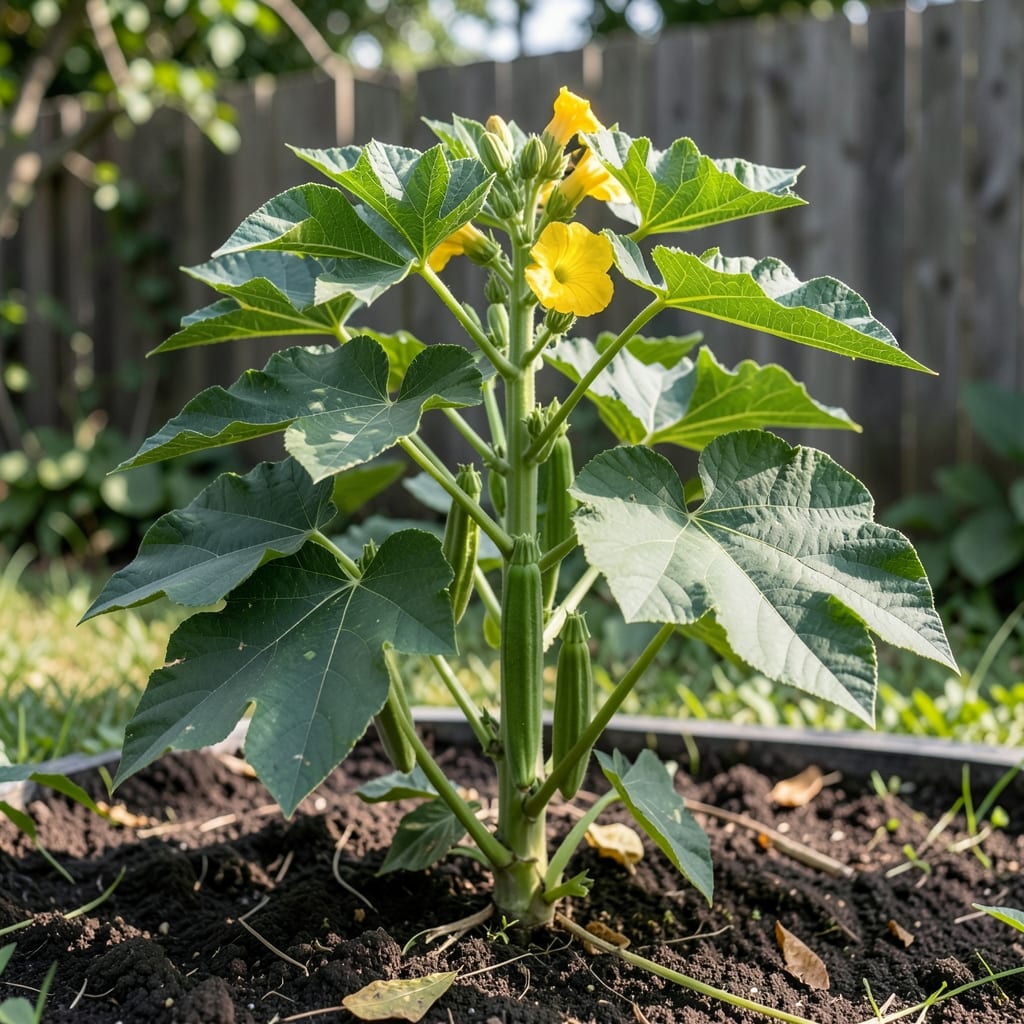
Okra plant height by variety: dwarf vs. giant varieties explained
Okra plants can grow anywhere from 3 feet to over 10 feet tall, depending entirely on the variety you choose. If you're working with limited space, dwarf varieties like 'Burgundy' okra stay compact at just 3–4 feet, while heirloom types such as 'Clemson Spineless' can reach 8–10 feet under ideal conditions. The right variety can transform your garden layout and even your harvest potential.
Choosing the right okra variety isn’t just about height—it also affects yield, pod size, and growth habits. For example, bush-type okras like 'Emerald' okra grow in rounded shapes, rarely exceeding 5 feet, while tall, indeterminate varieties like 'Arkansas 5' need vertical support to reach their full 7–9 foot potential. Let’s break down the key differences so you can pick the perfect fit for your garden.
| Variety | Height Range | Growth Habit | Yield Potential |
|---|---|---|---|
| Burgundy | 3–4 ft | Bush | Moderate (20–30 pods/plant) |
| Emerald | 4–5 ft | Semi-bush | High (30–40 pods/plant) |
| Clemson Spineless | 6–10 ft | Indeterminate | Very High (50+ pods/plant) |
| Arkansas 5 | 7–9 ft | Indeterminate | High (40–50 pods/plant) |
| Blueboy | 4–6 ft | Bush | Moderate (25–35 pods/plant) |
If you're growing okra in containers or small gardens, prioritize dwarf or semi-dwarf varieties like 'Blueboy' or 'Emerald'. These stay under 6 feet and produce abundant pods without needing extra space. For larger gardens or if you want to maximize vertical space, indeterminate varieties like 'Clemson Spineless' are ideal—they keep producing pods all season long as long as you provide support.
One surprising factor that affects height is soil fertility. Okra plants grown in nutrient-rich soil with plenty of compost or aged manure tend to grow taller and produce more pods. However, over-fertilizing can lead to weak stems that struggle to support their own weight. Aim for a balanced fertilizer like 10-10-10 and monitor your plants for signs of excess nitrogen, such as lush foliage with few pods.
For gardeners in cooler climates (USDA Zones 6–8), taller varieties like 'Arkansas 5' can benefit from season extension techniques. Planting in late spring and using row covers can help these varieties mature before the first frost. In contrast, heat-loving dwarf varieties like 'Burgundy' thrive in hot, dry conditions and are perfect for Southern gardens where temperatures regularly exceed 90°F.
If you're curious about heirloom or rare okra varieties, consider 'Red Burgundy' or 'Green Long Pod', both of which can grow 6–8 feet tall but produce uniquely shaped pods. These varieties are often more disease-resistant and adaptable to poor soil conditions, making them great choices for organic gardens or beginner growers.
Pro tip: If you're growing multiple okra varieties, space them strategically. Place taller varieties like 'Clemson Spineless' at the back of your garden bed and dwarf varieties like 'Burgundy' in the front. This not only saves space but also makes harvesting easier by keeping all pods at a comfortable height.
Remember, okra’s height isn’t just about aesthetics—it directly impacts harvest efficiency and pod quality. Taller plants may produce more pods, but they also require sturdy support and regular pruning to prevent disease and pests from lurking in dense foliage. Choose wisely based on your garden’s layout and your harvesting preferences!
🌱
How to maximize okra height with trellising and support techniques
Okra plants aren’t just tall—they can become vertical giants with the right support. While some varieties naturally reach 6-10 feet, trellising can push them even higher while improving airflow and pod accessibility. The key is timing and technique, especially for tall varieties like Clemson Spineless or Emerald.
Start supporting okra early—once plants hit 12-18 inches tall. Weak stems can snap under their own weight, so bamboo stakes or sturdy trellis netting work best. Avoid plastic stakes; they bend under okra’s weight. For heavy producers, use 3-4 stakes per plant tied loosely with soft twine to avoid stem damage.
Step-by-Step Trellising Guide
- 🌱 Week 1-2: Install stakes (6+ feet tall) or trellis net when seedlings are 6 inches tall.
- 🪴 Week 3-4: Gently tie main stem to stake with soft twine (avoid cutting into stems).
- ✂️ Week 5+: Prune side branches to encourage vertical growth (remove lower leaves touching soil).
- 💧 Ongoing: Water at base to strengthen stems (weak stems = more trellis needed).
- 🌿 Harvest Time: Use trellis to easily reach pods without bending (reduces stem stress).
Pruning is just as critical as support. Remove lower leaves and suckers to direct energy upward. For dwarf varieties like 'Burgundy' or 'Little Lady', skip trellising—they thrive as compact bushes (3-4 feet). But for tall types, prune aggressively to prevent legginess and improve pod quality.
Common mistakes? Over-tightening twine can girdle stems, while under-supporting lets plants flop. In windy areas, use double stakes or a pyramid trellis for stability. And never let pods touch the ground—they’ll rot and attract pests.
Pro tip: Train okra to climb vertical netting in small spaces. This saves garden real estate and makes harvesting easier. Just ensure the netting is at least 8 feet tall for standard varieties. With the right support, your okra could outgrow your expectations**—literally!
🌿