
Trees
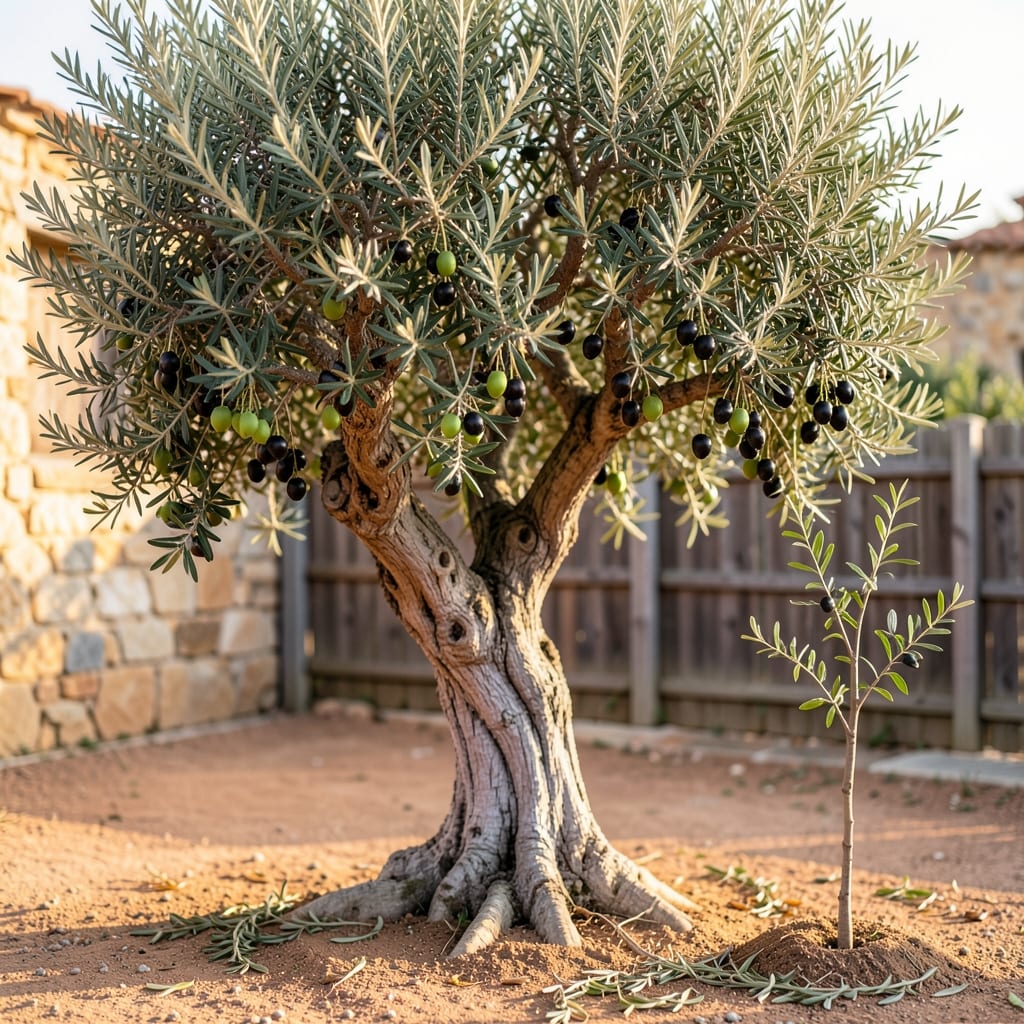
If you’ve ever wondered just how tall an olive tree 🫒 can grow, you’re about to discover the surprising answer—because these trees aren’t one-size-fits-all. Some varieties stay compact enough for containers, while others stretch toward the sky like ancient sentinels, reaching heights that’ll make your backyard feel like a Mediterranean grove.
The truth is, olive tree height depends on more than just genetics—it’s a mix of the variety you choose, where you plant it, and how you care for it. Whether you’re dreaming of a towering 50-foot giant or a manageable 8-foot dwarf, understanding these factors is the key to getting the perfect tree for your space.
Let’s break down the different sizes you can expect, from the smallest container-friendly cultivars to the majestic standard varieties that dominate landscapes. You’ll also learn how pruning and growing conditions can shape your olive tree’s future height—so you can grow exactly what fits your vision (and your yard!).
Ready to find out which olive tree will thrive in your space? Let’s dive into the details so you can make an informed choice—and start growing the perfect tree for your needs.


Olive tree height by variety: from dwarf to towering giants
Olive trees (Olea europaea) come in a stunning range of sizes, from container-friendly dwarfs to ancient giants that dwarf your entire landscape. The variety you choose determines whether your tree stays under 10 feet or soars past 50 feet—but even within a single variety, growing conditions can push those limits further. Let’s explore the height spectrum so you can pick the perfect olive tree for your space.
Most olive trees fall into four broad categories based on mature height: dwarf varieties (ideal for containers or small yards), semi-dwarf (great for medium spaces), standard (classic landscape trees), and giant (for expansive properties or heritage groves). Each category offers unique benefits, from low-maintenance compact growth to the dramatic presence of a towering specimen.
For example, the 'Arbequina' variety can stay under 10 feet when pruned aggressively but may reach 20 feet or more if left unchecked. Meanwhile, the 'Mission' olive—a classic California variety—typically grows 30–50 feet tall when planted in ideal Mediterranean climates. Even within dwarf categories, some varieties like 'Little Ollie' are bred specifically for containers, rarely exceeding 8 feet even with minimal pruning.
If you’re growing olives for fruit production, standard or semi-dwarf varieties often strike the best balance. They produce abundant harvests while remaining manageable for homeowners. However, if your goal is landscape impact, a towering 50-foot specimen can create a stunning focal point—just be prepared for the long-term commitment and maintenance such a tree requires.
One surprising fact is that olive trees in container gardens often grow slower than their in-ground counterparts, staying smaller for longer. This makes dwarf varieties even more versatile for urban gardeners. For instance, a 'Frantoio' olive in a 20-gallon pot might only reach 10 feet after 10 years, while the same variety planted in the ground could hit 20 feet in half that time.
Climate also plays a role in height potential. Olive trees grown in USDA Zones 8–10 (their native range) tend to grow faster and taller than those in cooler zones like Zone 7, where growth slows significantly. In colder regions, even standard varieties may stay 10–15 feet shorter due to seasonal dormancy. Always check your local hardiness zone when selecting a variety.
Pro tip: If you love the look of a tall olive tree but lack the space, consider espalier training. This technique flattens the tree against a wall or fence, allowing you to grow a 20-foot-tall specimen in a 10-foot-wide space. It’s a favorite among Mediterranean gardeners who want the dramatic height without the sprawling footprint.
Finally, remember that olive trees are long-lived—some ancient specimens in Greece and Italy exceed 2,000 years old. If you plant a standard variety today, it could easily outlive you, becoming a living legacy. Choose wisely, and your olive tree will reward you with decades of fragrant blooms, silver-green foliage, and—if you’re patient—homegrown olives.
Factors that determine olive tree height: beyond just the variety
You’ve picked your olive tree variety, but did you know that soil quality, sunlight exposure, and even pruning habits can push your tree to grow taller—or keep it compact? The truth is, while genetics set the baseline, your growing conditions can dramatically influence how tall your olive tree becomes over time.
For example, a standard olive tree might reach 50 feet in ideal Mediterranean conditions, but the same variety in a cooler climate with less sun could stay under 25 feet. Even the smallest dwarf varieties can stretch if given perfect growing conditions, so let’s explore the key factors that shape your tree’s height beyond just the variety you choose.
🌱
Let’s say you planted a semi-dwarf variety (typically 12–20 feet) in a sunny, well-drained spot with perfect care. With ideal conditions, it could reach 25 feet—but in a shady, waterlogged area, it might max out at 10 feet. That’s the power of these factors!
Understanding these elements means you can intentionally shape your olive tree’s height. Whether you want a towering centerpiece or a manageable patio tree, the right conditions and care will help you achieve your vision.
🌿