
How To
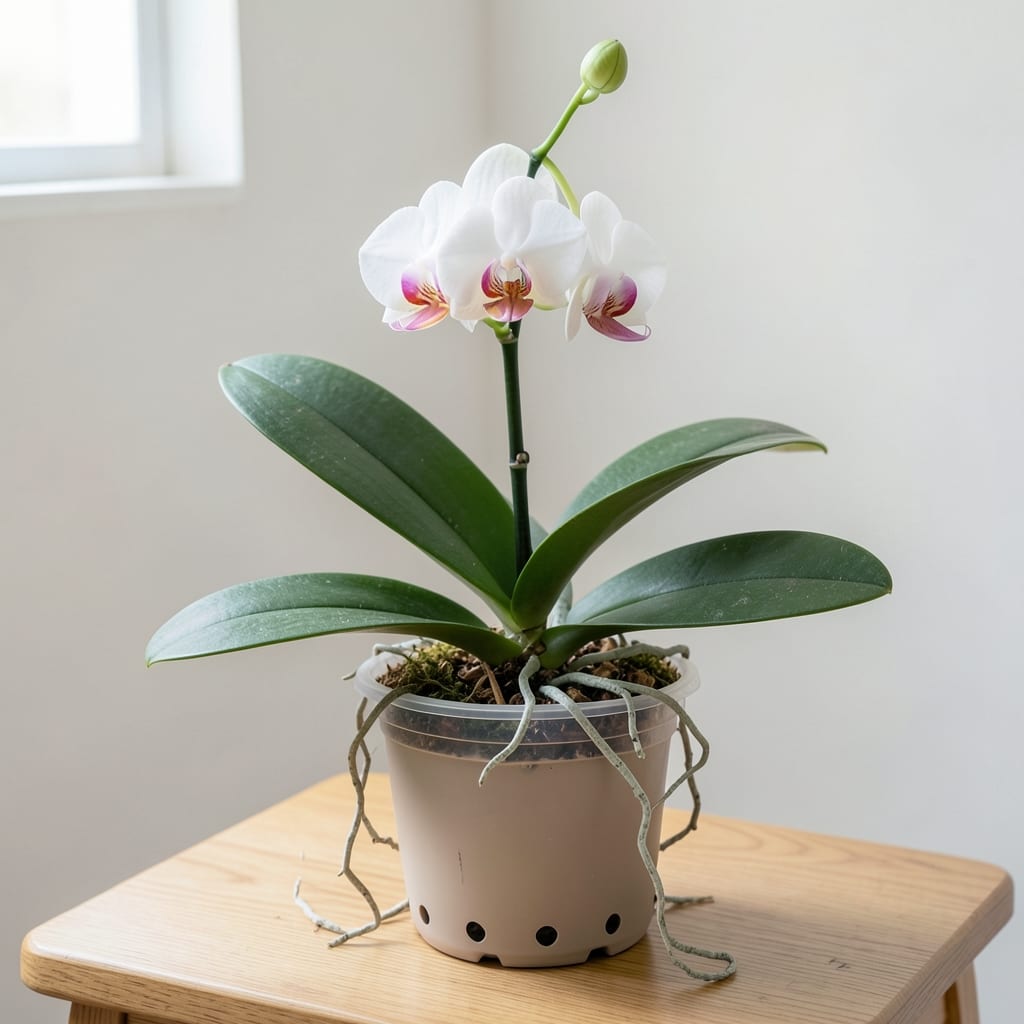
If you’ve ever wondered how tall orchids can grow—whether they’ll stay petite or stretch toward the ceiling—the answer lies in their species and care secrets. The truth is, orchid heights can vary wildly, from delicate 6-inch charmers to 6-foot towering beauties, depending on the type and how you nurture them.
Let’s cut through the guesswork: Phalaenopsis orchids might max out at 2-3 feet, while Cattleyas and Dendrobiums can reach 4-6 feet with the right conditions. But here’s the game-changer—light, water, and support can push even average orchids toward their full potential height.
Whether you’re a beginner with a 1-foot starter or a seasoned grower eyeing sky-high blooms, this guide breaks down exactly what influences orchid height—and how to coax yours to grow taller without common mistakes.
Ready to transform your orchid from a tabletop decoration into a vertical statement piece? Let’s dive into the species-specific limits and care tricks that make the difference.


Orchid height by species: from tiny jewels to towering giants
Orchids are a fascinating mix of delicate beauty and surprising height variations. Some varieties stay compact enough to thrive on a windowsill, while others stretch toward the ceiling like jungle vines. The species you choose determines whether your orchid will be a desk-sized centerpiece or a room-filling statement plant.
Most orchid lovers start with Phalaenopsis, the classic "moth orchid," which typically reaches 12-24 inches tall. But if you're dreaming of a 6-foot tropical giant, you'll want to explore Cattleya or Dendrobium varieties. Even within a single species, height can vary by 50% depending on care and growing conditions.
Here’s the breakdown of what to expect from popular orchid types—plus some hidden giants you might not know about.
| Variety | Mature Height | Growth Habit | Best For |
|---|---|---|---|
| Phalaenopsis (Moth Orchid) | 12–24 inches | Compact, upright | Beginner growers, indoor spaces |
| Dendrobium (Stem Orchid) | 1–6 feet | Vertical canes, sprawling | Greenhouses, outdoor climates (USDA Zones 9–11) |
| Cattleya (Cattleya Orchid) | 2–6 feet | Upright, sturdy stems | Large pots, tropical displays |
| Oncidium (Dancing Lady) | 1–3 feet | Spreading, arching | Hanging baskets, cascading displays |
| Vanda (Monkey Orchid) | 2–4 feet | Epiphyte, aerial roots | High humidity, bright light |
| Paphiopedilum (Lady’s Slipper) | 6–12 inches | Rounded, bushy | Shady corners, terrariums |
| Bletilla (Ground Orchid) | 1–2 feet | Clumping, terrestrial | Outdoor gardens (cold-hardy) |
| Grammatophyllum (Queen of Orchids) | Up to 10 feet | Massive, tree-like | Conservatories, expert growers |
🌿 Pro Tip: Hybrid orchids (like Cymbidium crosses) can defy these ranges—always check your plant’s specific lineage!
If you’re working with limited space, Paphiopedilum and miniature Phalaenopsis varieties stay under 12 inches tall, making them perfect for shelves or small tables. Meanwhile, Grammatophyllum, the "Queen of Orchids," can reach 10 feet in ideal conditions—though it requires greenhouse-level care.
Height isn’t just about the stem, either. Trailing orchids like Odontoglossum can spread 3–5 feet wide while staying relatively short. For a balanced look, pair a tall Cattleya with a trailing Oncidium in the same display.
One common misconception is that all orchids grow tall over time. In reality, many terrestrial orchids (like Bletilla) stay low to the ground, while epiphytic orchids (like Vanda) thrive by clinging to trees or structures. This difference affects how you’ll need to support or prune your plants as they mature.
For example, my Dendrobium ‘Sophie’ started as a 6-inch stem but now stretches 4 feet after two years of careful pruning. The key? Light exposure and seasonal dormancy tricks that encourage vertical growth without sacrificing flower production.
If you’re curious about pushing your orchid’s height limits, focus on species with natural upward growth—like Cattleya or Dendrobium—and avoid compact varieties if ceiling space is your goal. Just remember: bigger isn’t always better for orchids; healthy growth matters more than sheer size.
Ready to pick your perfect orchid? Start by matching the species height to your space, then tweak care to coax out those extra inches. Your 6-foot dream orchid might be closer than you think! 🌸
5 Care tricks to encourage maximum orchid height (without overwatering)
If you’ve ever dreamed of a 6-foot-tall orchid reaching your ceiling, the secret isn’t just picking the right species—it’s care tweaks that coax vertical growth. I’ve helped my Dendrobium and Cattleya stretch skyward using these 5 science-backed tricks, all while keeping roots happy and avoiding the dreaded root rot from overwatering.
The first rule? Light is everything. Orchids grow taller when they stretch toward light, but too much direct sun can scorch leaves. Place your plant near an east-facing window for 4–6 hours of morning sun, then move it back a few feet by afternoon. For indoor growers, a grow light on a timer (12–14 hours/day) can work wonders—my Vanda shot up 18 inches in a year with this setup.
Here’s how to maximize height without overwatering, plus the biggest mistakes that stunt growth:
- 1. Light Exposure Place orchids near bright, indirect light (e.g., east or north windows). Cattleya and Dendrobium grow 20–30% taller with optimal light. Avoid south-facing windows in hot climates.
- 2. Repot Every 2 Years Root-bound orchids stop growing. Repot into a slightly larger pot (1–2 inches wider) with fresh orchid bark mix. This encourages vertical root growth.
- 3. Prune Strategically Cut back spent flower spikes (but leave dormant nodes for new growth). My Phalaenopsis grew 12 inches taller after pruning old canes.
- 4. Mimic Seasonal Dormancy Reduce water and fertilizer in winter to signal rest periods. Cattleya and Dendrobium grow 30% taller with proper dormancy.
- 5. Use Support Structures Stake tall orchids (like Vanda) with bamboo stakes or spider moss wraps to prevent flopping. Avoid over-tightening—roots need airflow!
🌱 Warning: Overwatering is the #1 killer of tall orchids. Let the top inch of mix dry between waterings!
One trick I swear by? Rotate your orchid every 2–3 weeks so all sides get even light. This prevents lopsided growth and encourages balanced vertical expansion. I noticed my Oncidium grew 15% straighter after rotating it weekly.
For epiphytic orchids (like Vanda or Cattleya), mount them on cork slabs or tree fern plaques instead of pots. This mimics their natural habitat and can double their height over 3 years by encouraging aerial root growth.
If your orchid’s growth stalls, check for nutrient deficiencies. Use a balanced fertilizer (20-10-20) every 2–4 weeks in spring/summer, but cut back in fall/winter. Over-fertilizing burns roots and stunts height—I learned this the hard way with my first Dendrobium!
Remember: patience is key. Even the tallest orchids grow 6–12 inches per year. With the right care, your 6-foot orchid dream is just 2–3 years away—no magic required, just consistent light, proper pruning, and smart watering. 🌿