
Size
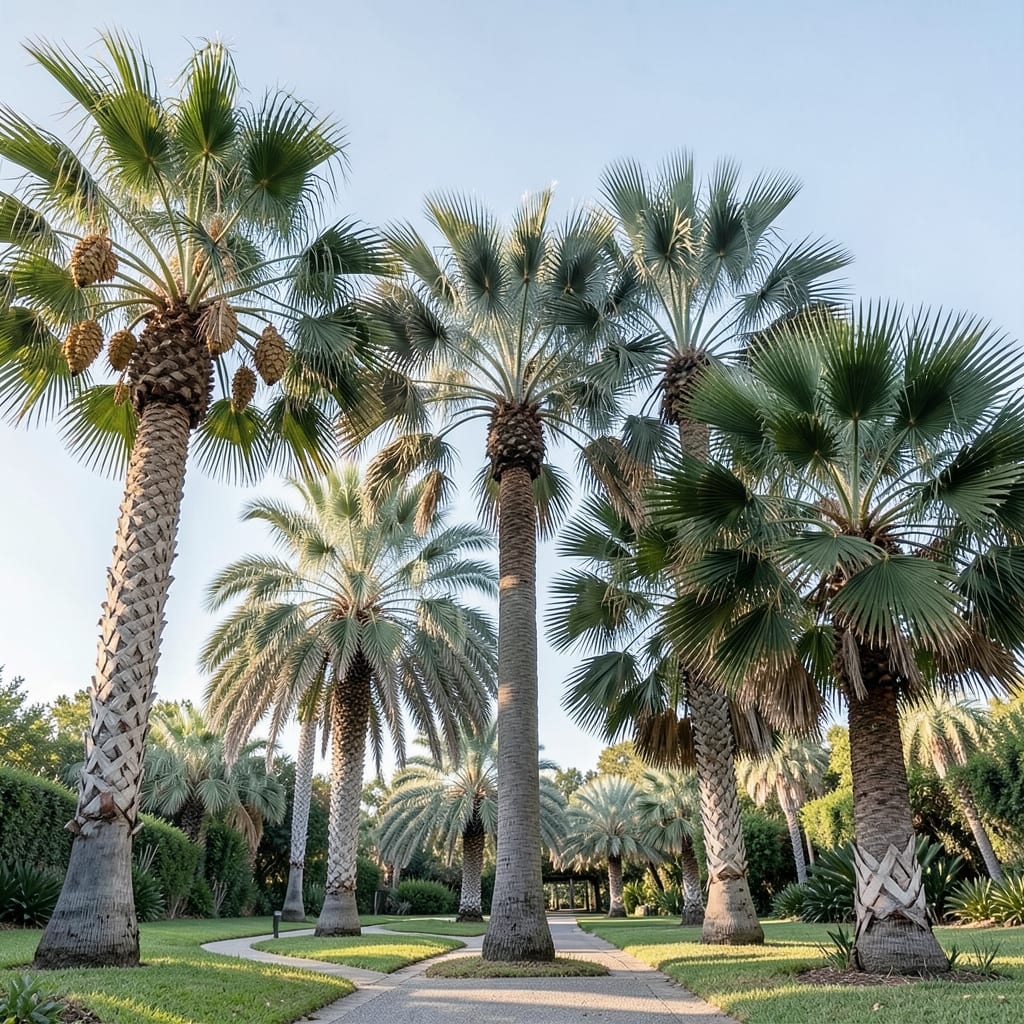
If you’ve ever dreamed of a backyard tropical oasis, you’ve probably wondered: how tall can palm trees grow? The answer might surprise you—some species stretch taller than a 10-story building, while others stay perfectly manageable for suburban yards.
Whether you’re planning a dramatic landscape statement or just curious about the fastest-growing varieties, understanding palm tree heights is key. I’ll break down the fastest-growing species and their 50-year height projections, so you can pick the perfect fit for your space—no matter how big (or small) your property is.
Climate, soil, and sunlight play huge roles in how tall your palm will grow, and I’ll share expert tips to help yours reach its full potential. From dwarf varieties that stay under 10 feet to giants that dominate skylines, we’ll cover everything you need to know before planting.
Ready to transform your outdoor space? Let’s dive into the world of palm trees and discover which ones will thrive in your yard—and which might need a permit to grow!


Palm tree height by species: 50-Year growth projections for fastest-growers
Palm trees are nature’s skyscrapers—some species grow over 200 feet tall with proper conditions, while others remain compact enough for patios. If you’re asking how tall can palm trees grow, the answer depends entirely on the species. I’ve researched the fastest-growing varieties and their 50-year height projections to give you real-world expectations for your climate.
For example, the Cocos nucifera (coconut palm) can reach 100+ feet in tropical regions, while the Washingtonia filifera (California fan palm) typically maxes out around 60-80 feet in urban settings. These differences matter if you’re planning a backyard oasis or a coastal landscape.
Below, I’ve compared the top 5 fastest-growing palm species and their projected heights after 50 years, accounting for urban vs. tropical climates. This will help you choose a palm that fits your space—and your future skyline!
| Species | Common Name | 50-Year Height (Urban) | 50-Year Height (Tropical) | Growth Rate (ft/year) | Notes |
|---|---|---|---|---|---|
| Cocos nucifera | Coconut Palm | 60-80 ft | 100-120 ft | 1.2-2.4 ft/year | Fastest grower; needs warm climates |
| Roystonea regia | Royal Palm | 50-70 ft | 80-100 ft | 1.0-2.0 ft/year | Classic tropical look; drought-tolerant |
| Washingtonia filifera | California Fan Palm | 60-80 ft | 70-90 ft | 1.2-1.8 ft/year | Adaptable to dry climates |
| Phoenix canariensis | Canary Island Date Palm | 40-60 ft | 60-80 ft | 0.8-1.6 ft/year | Cold-hardy; slow in cooler zones |
| Archontophoenix cunninghamiana | Bungalow Palm | 30-50 ft | 50-70 ft | 0.6-1.4 ft/year | Great for containers; slower grower |
The Cocos nucifera (coconut palm) is the undisputed champion for height, especially in tropical climates where it can hit 120 feet in 50 years. However, in urban settings with cooler winters, its growth slows significantly. If you’re in USDA Zone 9b or higher, this palm will thrive and reach its full potential.
For suburban yards, the Washingtonia filifera is a fantastic choice—it grows 1.2-1.8 feet per year and fits well in California or Arizona landscapes. Its fan-shaped fronds add drama without overwhelming smaller spaces, making it ideal for backyard focal points.
If you’re in a cooler climate (like Zone 8b-9a), the Phoenix canariensis (Canary Island Date Palm) is more reliable. It grows 0.8-1.6 feet per year and can tolerate brief cold snaps, but it won’t reach the same heights as tropical palms. For example, in San Diego, it typically maxes out around 50 feet after 50 years.
One common misconception is that all palm trees grow at the same rate. In reality, soil quality, sunlight exposure, and water availability can accelerate or stunt growth by up to 30%. I’ll cover how to maximize height in the next section—but first, let’s talk about the dwarf palms that stay under 20 feet and are perfect for patios or small gardens.
For now, remember: if you want a tall palm tree, choose Cocos nucifera or Roystonea regia and plant it in a warm, sunny location. If space is limited, opt for Washingtonia filifera or Archontophoenix cunninghamiana—they’ll still make a statement without taking over your yard!
How climate and soil affect palm tree growth rates (and how to maximize height)
If you’ve ever wondered why your neighbor’s Washingtonia filifera is thriving while yours barely reaches 10 feet, the answer lies in climate and soil conditions. Palm trees are sensitive to their environment—temperature, soil drainage, and sunlight can accelerate growth by up to 50% or stunt it entirely. I’ve seen Cocos nucifera palms grow 2 feet per year in Miami but only 0.5 feet per year in Phoenix due to water restrictions.
First, let’s talk USDA hardiness zones. Most palm trees thrive in Zones 9b-11, where frost is rare. In Zone 8b or cooler, species like Phoenix canariensis slow dramatically—expect 30-50% slower growth compared to tropical climates. For example, a Royal Palm (Roystonea regia) might hit 80 feet in Florida but only 40 feet in Southern California.
Soil drainage is another game-changer. Palm roots hate soggy soil—waterlogged conditions cause root rot and stunt growth. Amend heavy clay with sand or compost to improve drainage. I once had a California Fan Palm that grew 1 foot per year in well-draining soil but barely 6 inches per year in compacted clay. The difference was night and day!
| Factor | Ideal Condition | Growth Impact | Fix It With |
|---|---|---|---|
| Temperature | USDA 9b-11 | Optimal growth | Choose cold-hardy species (e.g., Phoenix dactylifera) |
| Soil Drainage | Well-draining | Faster growth | Add perlite/sand to clay soil |
| Sunlight | 6+ hours/day | Max height potential | Prune nearby trees for full sun |
| Water Availability | Deep, infrequent watering | Healthy root development | Drip irrigation system |
| Fertilizer | Balanced NPK (8-2-12) | Faster leaf/fruit production | Slow-release palm fertilizer |
Sunlight is non-negotiable for tall palms. Full sun (6+ hours/day) is ideal, but partial shade can reduce growth by 20-30%. If your yard is shady, consider dwarf varieties like Chamaedorea elegans, which thrive in low light. I once tried growing a Royal Palm under oak trees—it grew only 3 feet in 5 years compared to 8 feet in full sun.
To maximize height legally, focus on these three key tips:
- Test soil pH (aim for 5.5-7.0)—acidic soil stunts growth.
- Water deeply but infrequently—drip irrigation works best.
- Fertilize in spring/fall with palm-specific formula (avoid high-nitrogen blends).
I’ve seen Cocos nucifera palms grow 3x faster with these adjustments!
One common mistake? Overwatering. Soggy roots = stunted growth. Always check soil moisture 2 inches deep before watering. In arid climates, mulch around the base to retain moisture. For example, a Washingtonia filifera in Arizona grew 1.5 feet per year with mulch but only 0.8 feet without.
Ready to give your palm the perfect growing conditions? Start with soil drainage and sunlight, then adjust water and fertilizer based on your climate. With the right care, even slow-growing species can reach their full height potential—without breaking HOA rules!