
How To
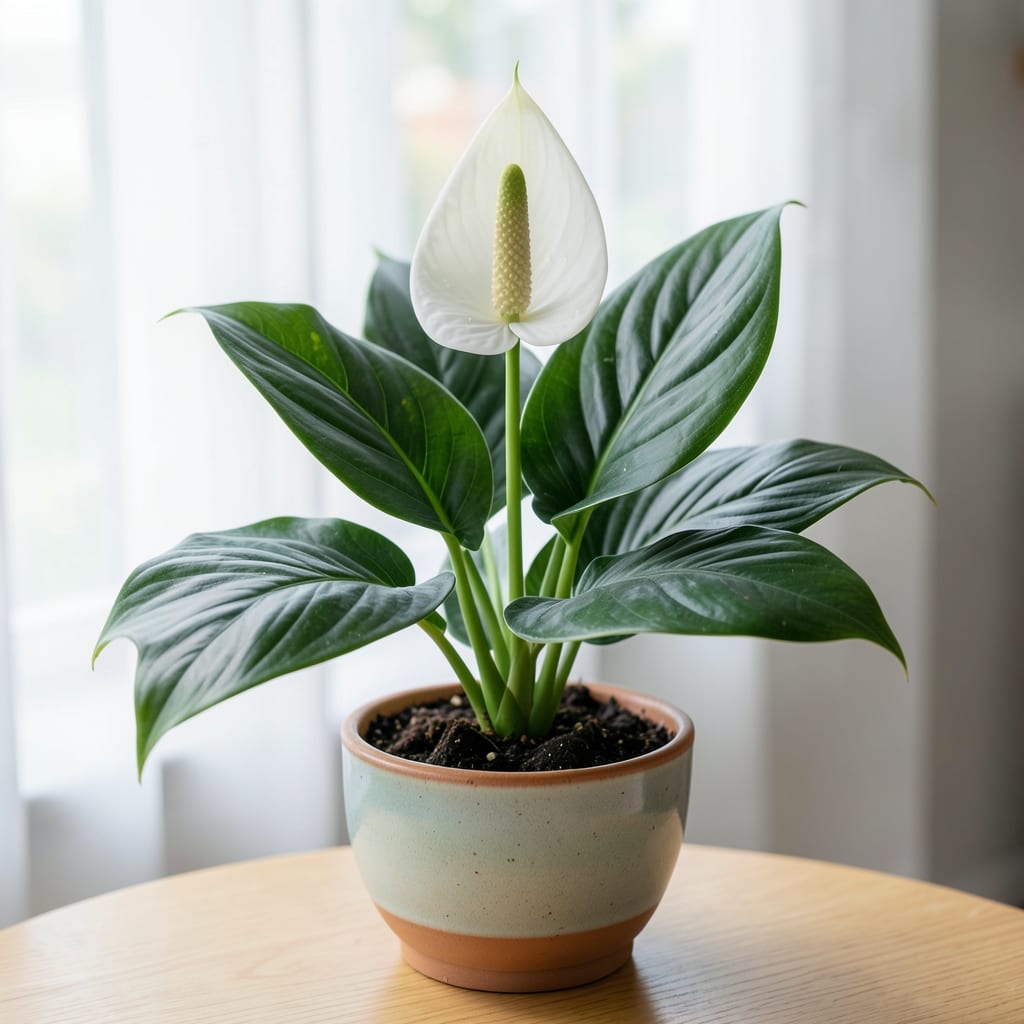
If you’ve ever wondered how tall a peace lily can grow before it becomes a towering jungle giant in your living room, you’re not alone—this elegant houseplant’s height can vary wildly depending on the variety and care you provide.
The answer to how tall can peace lily grow isn’t one-size-fits-all, but most mature plants typically reach between 2 and 4 feet indoors, with some dwarf varieties staying as short as 1 foot. The key? Light, pot size, and pruning all play a role in whether your plant stretches toward the ceiling or stays compact.
Whether you’re dreaming of a lush, floor-length statement plant or prefer a smaller, desk-friendly size, I’ll show you exactly how to control its growth—plus the common mistakes that send peace lilies skyrocketing (or stunting their potential).
Let’s dive into the secrets behind their height, so you can keep your peace lily at the perfect size for your space—without sacrificing its stunning foliage or blooms.

Peace lily height by variety: from compact to towering giants
Peace lilies (Spathiphyllum) are famous for their lush foliage and striking white blooms, but their height varies dramatically depending on the variety and growing conditions. Some stay compact enough for small shelves, while others can reach ceiling heights in ideal environments. Understanding these differences helps you choose the perfect peace lily for your space and manage its growth effectively.
Most peace lilies mature between 2 to 4 feet tall, but dwarf varieties like Petit can stay under 1.5 feet, while larger types like Florida Beauty may stretch toward 4 feet or more. The key to controlling height lies in selecting the right variety for your home and adjusting care routines to match your space.
Below, I’ve compared the most popular peace lily varieties by their mature height, growth habits, and ideal placement in your home. This will help you visualize how each type fits into your decor and whether it needs pruning or support to stay at your desired height.
| Variety | Mature Height | Growth Habit | Ideal Placement |
|---|---|---|---|
| Spathiphyllum wallisii (Classic) | 2–3 ft | Upright, bushy | Dining table, sideboard |
| Domino (Variegated) | 1.5–2.5 ft | Compact, trailing | Shelves, desks |
| Petit (Dwarf) | 1–1.5 ft | Slow-growing, dense | Office plants, terrariums |
| Florida Beauty | 3–4 ft | Tall, sturdy stems | Corners, large rooms |
| Moonlight (Variegated) | 2–3 ft | Bushy, upright | Living rooms, hallways |
The Spathiphyllum wallisii, the classic peace lily, is a versatile choice for most homes, typically reaching 2 to 3 feet tall. Its upright, bushy growth makes it ideal for placing on dining tables or sideboards where it can add height without overwhelming the space. If you’re working with limited vertical space, the Petit variety is a game-changer—staying under 1.5 feet, it’s perfect for desks or office plants where you want greenery without sacrificing floor space.
For larger spaces, Florida Beauty is a stunning option, capable of reaching up to 4 feet tall. This variety thrives in rooms with higher ceilings or corners where it can stretch upward naturally. If you love the look of variegated leaves but want to keep your plant compact, Domino is an excellent choice, often staying between 1.5 to 2.5 feet tall with its trailing habit, making it perfect for shelves or hanging baskets.
Light exposure plays a critical role in determining how tall your peace lily grows. While these plants can tolerate low-light conditions, they’ll grow taller and leggier when deprived of adequate indirect sunlight. To keep your peace lily at a manageable height, place it near an east or north-facing window where it receives bright, indirect light for 4 to 6 hours a day. This encourages bushier growth and prevents the stems from elongating excessively.
Another factor to consider is pot size. Peace lilies in smaller pots tend to grow more slowly and stay compact, while those in larger containers have more room to develop taller stems. If you’re concerned about your peace lily outgrowing its space, opt for a snug pot that’s only 1 to 2 inches larger in diameter than the plant’s root ball. This will naturally limit its vertical growth while still allowing it to thrive.
Pruning is another effective tool for controlling height. If your peace lily starts to look too tall or leggy, simply trim the longest stems back by one-third to encourage bushier growth. The plant will respond by producing new shoots from the base, creating a fuller, more compact appearance. Just be sure to use clean, sharp pruning shears and disinfect them with rubbing alcohol before and after to prevent disease.
Lastly, remember that outdoor peace lilies can grow significantly taller than their indoor counterparts—sometimes reaching 5 feet or more in tropical climates. If you’re growing yours outside in USDA Zone 10 or warmer, provide partial shade and consistent moisture to support its natural height potential. For indoor plants, focus on light management, pot size, and pruning to keep them at your desired height.
How to maximize (or limit) peace lily growth: care secrets revealed
Your peace lily’s height isn’t set in stone—it’s a direct result of the care you provide. With the right techniques, you can encourage it to grow taller or keep it compact, depending on your space and preferences. The key lies in understanding how light exposure, pruning methods, and pot size influence its growth trajectory.
For taller growth, place your peace lily near a bright, indirect light source, like an east-facing window. This mimics its natural understory habitat and signals the plant to stretch upward. Avoid direct sunlight, which can scorch its leaves and stunt growth. If your plant starts leaning toward the light, rotate it quarter-turns every week to keep it balanced and upright.
Here’s the secret: Pruning isn’t just for shaping—it’s a tool to control height. If your peace lily is growing too tall, trim the longest stems just above a leaf node. This encourages bushier growth and prevents it from becoming top-heavy. For a more dramatic height reduction, cut back stems to half their length—new shoots will sprout from the base, creating a fuller, shorter plant.
Growth Control Tips
- 💡 Light: Bright indirect light = taller growth; low light = slower, bushier growth
- 🪴 Pot Size: Smaller pots = shorter plants; larger pots = taller growth
- ✂️ Pruning: Trim stems to encourage bushiness or reduce height
- 🌱 Fertilizer: Balanced feed in spring = steady growth; skip in winter = slower growth
Don’t underestimate the power of repotting. Peace lilies grow taller when they’re root-bound, so if you want to limit height, choose a pot that’s only 1-2 inches larger than its current container. This restricts root expansion and slows vertical growth. For taller plants, upgrade to a larger pot every 1-2 years to accommodate more roots and upward growth.
Seasonal adjustments also play a role. In spring and summer, your peace lily will grow most actively, so this is the time to fertilize lightly every 4-6 weeks to support its height goals. However, in fall and winter, growth slows naturally—reduce watering and skip fertilizing entirely to prevent leggy or weak stems.
Pro tip: If your peace lily is growing too fast and becoming leggy, try moving it to a shadier spot temporarily. Low light triggers shorter, stockier growth. Just be prepared for fewer blooms—peace lilies need some light to flower, but you can balance this by rotating the plant occasionally to ensure even growth.