
How To
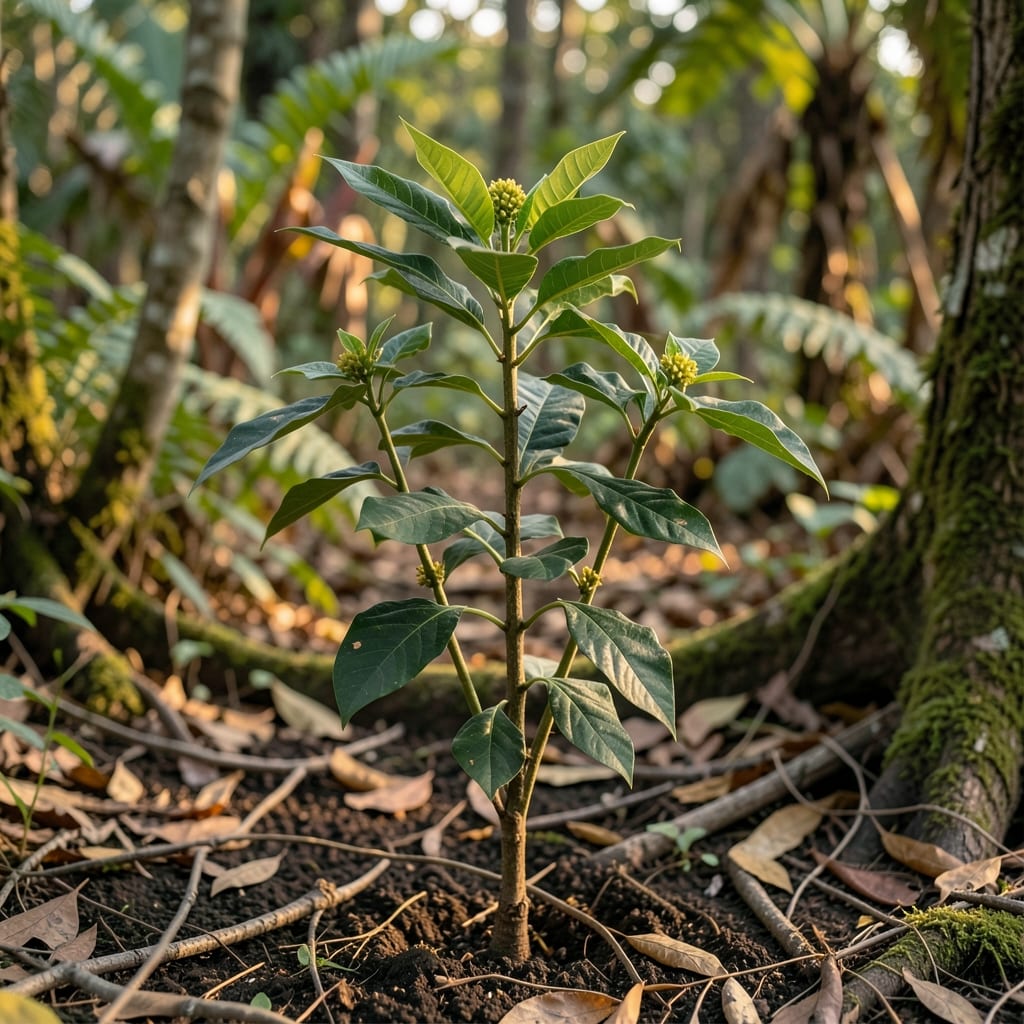
Ever wondered how tall poinsettias can grow in the wild? If you’ve only seen the compact, store-bought versions, you might be surprised to learn these vibrant plants can reach heights that dwarf even the tallest holiday centerpieces.
Native to Central Mexico’s tropical regions (USDA zones 9b-11), wild poinsettias thrive in conditions that let them stretch toward the sky—sometimes soaring up to 12 feet tall when given space, sunlight, and rich soil. That’s nearly the height of a basketball hoop! The difference between their wild stature and the 1-3 foot potted varieties sold in stores comes down to environment, genetics, and a little human intervention.
What makes these plants grow so dramatically in nature? It’s all about their ideal conditions: warm climates, deep soil, and plenty of indirect sunlight. In contrast, cultivated poinsettias are bred and pruned to stay small for easier shipping and display. But if you’re dreaming of growing a taller, show-stopping poinsettia at home, the good news is you can encourage that wild growth—with the right care and a little patience.
In this guide, I’ll break down exactly how wild poinsettias reach such impressive heights, compare them to their cultivated cousins, and share pro tips for coaxing your own poinsettia to grow taller—whether you’re a seasoned gardener or just starting out. Let’s get growing!


Poinsettia height in the wild: natural growth patterns and environmental factors
When you picture a poinsettia, you likely imagine the compact, 3-foot-tall holiday plants sold in grocery stores. But in their native Mexican habitat, Euphorbia pulcherrima can grow into towering shrubs reaching 6 to 12 feet tall under ideal conditions. This dramatic difference isn't just luck—it’s shaped by climate, soil quality, and sunlight in the wild.
The wild poinsettia thrives in tropical and subtropical climates, where warm temperatures and consistent rainfall fuel rapid growth. Unlike their potted cousins, wild plants aren’t pruned or confined to small containers, allowing them to stretch toward the sunlight canopy. In fact, some specimens in shaded forest understories grow taller and leaner to compete for light.
Soil composition also plays a critical role. Wild poinsettias prefer well-draining, slightly acidic soil (pH 6.0–6.5) rich in organic matter. Poor soil can stunt growth, while nutrient-dense environments encourage vigorous vertical expansion. Gardeners in USDA Zones 9b–11 can replicate these conditions outdoors, but most northern climates require container growing.
Sunlight exposure is another game-changer. Wild poinsettias bask in 6+ hours of bright, indirect light daily, but they tolerate partial shade better than full sun. Too much direct sunlight can scorch their leathery leaves, while too little slows their growth. This adaptability explains why wild plants vary in height—some reach 10 feet in open meadows, while others stay under 4 feet in dense forests.
🌱
| Factor | Wild Poinsettia Impact | Cultivated Poinsettia Impact |
|---|---|---|
| Climate | Tropical warmth (6-12 ft) | Controlled temps (1-3 ft) |
| Sunlight | 6+ hours indirect (leaning growth) | Artificial grow lights (compact) |
| Soil | Rich, well-draining (organic) | Potting mix (sterile, nutrient-limited) |
| Pruning | None (natural shape) | Aggressive (height control) |
| Water | Consistent rainfall (deep roots) | Scheduled (shallow roots) |
The natural selection process further influences wild poinsettia height. Plants that grow taller have a competitive edge in dense vegetation, accessing more sunlight and resources. Over generations, this trait became dominant in open habitats, while shorter varieties thrived in shaded areas. This diversity contrasts sharply with commercially bred poinsettias, which are selectively grown for compact, bushy shapes to fit store shelves.
Interestingly, wild poinsettias also exhibit seasonal height fluctuations. During Mexico’s wet season (June–October), they grow rapidly, while the dry season (November–May) triggers dormancy. This cycle explains why wild plants often bloom in late fall, aligning with their natural height peaks before shedding leaves.
For gardeners curious about recreating wild-like growth, the key is mimicking these natural conditions. Start with a large container (15+ gallons) to accommodate deep roots, use a well-draining potting mix, and place your plant near a south-facing window (or under grow lights). Avoid pruning unless necessary, and fertilize lightly during the growing season to encourage taller, more robust stems.
One common misconception is that wild poinsettias are aggressive invaders. In reality, they’re non-invasive perennials that spread slowly via seeds. Their height isn’t a sign of overgrowth but a survival adaptation**—a testament to their resilience in competitive environments. By understanding these patterns, you can grow poinsettias that rival their wild counterparts, even on a balcony or patio.
🌿
Poinsettia height in the wild: natural growth patterns and environmental factors
In their native Central Mexican habitats, poinsettias (Euphorbia pulcherrima) can grow 3 to 12 feet tall, dwarfing the 1-3 foot potted varieties sold during holidays. This dramatic difference stems from their tropical, sun-drenched environment where they thrive as understory shrubs in forests. The lush, moist soil and warm temperatures (USDA zones 9b-11) create ideal conditions for their rapid vertical growth.
Wild poinsettias often reach their maximum height of 10+ feet when grown in open, sunny clearings with minimal competition. Their thick, woody stems and sprawling branches allow them to compete for sunlight in dense vegetation. Unlike their pruned, compact commercial cousins, wild specimens develop broad canopies with vibrant red, pink, or yellow bracts that attract pollinators.
The summary table below compares wild poinsettias to common cultivated varieties, highlighting how environmental factors influence their growth patterns:
| Growth Factor | Wild Poinsettias | Cultivated Poinsettias |
|---|---|---|
| Height Range | 3–12 ft | 1–3 ft (dwarf) |
| Growth Conditions | Full sun, moist soil | Indoor light, pruned |
| Stem Thickness | Thick, woody | Thin, tender |
| Bract Color | Red, pink, yellow | Red (selectively bred) |
| Growth Rate | 1–2 ft/year (ideal conditions) | 6–12 inches/year (potted) |
Wild poinsettias grow taller in response to competition for sunlight, a trait known as plastic growth. In their native tropical forests, they stretch upward to reach dappled sunlight filtering through the canopy. This adaptability explains why they can double in height when transplanted to open, sunny gardens in warm climates like Florida or California.
Soil quality also plays a critical role in their height. Wild poinsettias thrive in well-draining, slightly acidic soil (pH 6.0–6.5) rich in organic matter. Poor soil or compacted conditions stunt their growth, leading to shorter, bushier specimens. Gardeners can mimic these conditions by amending potting mixes with perlite and compost to encourage taller, healthier growth.
Understanding these natural growth patterns helps gardeners recreate wild-like conditions at home. With the right light, soil, and care, even indoor poinsettias can reach 5+ feet tall, rivaling their tropical ancestors. The key lies in minimizing pruning and maximizing natural sunlight exposure—a far cry from the aggressive trimming used in commercial cultivation.
🌿