
Trees
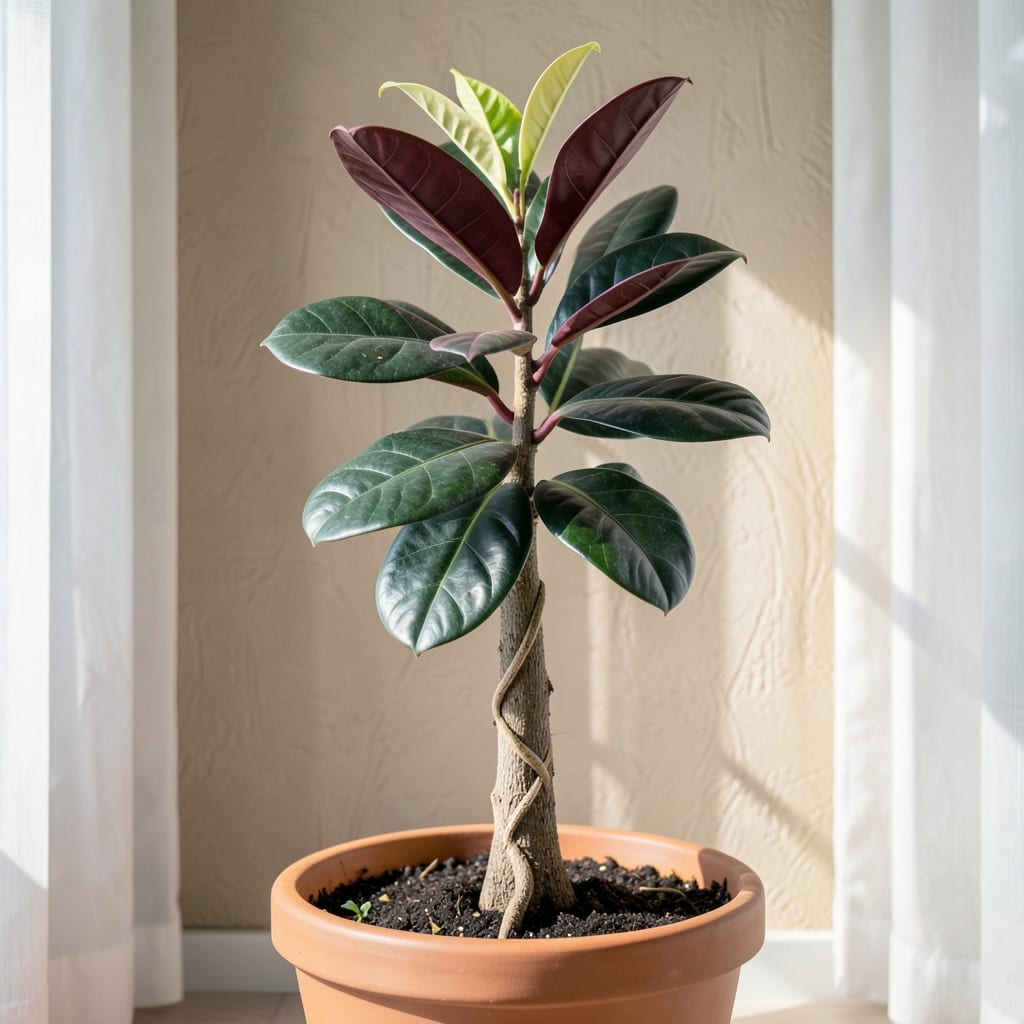
If you’re wondering how tall can rubber trees grow before they turn your space into a jungle, the answer depends on the variety, growing conditions, and a little pruning know-how. Some rubber trees reach heights of 20 feet or more in ideal outdoor settings, while others stay compact enough for indoor spaces with proper care.
What many don’t realize is that rubber trees grow at different rates depending on their type. Varieties like 'Robusta' can tower over 10 feet in just a few years, while others like 'Tineke' stay shorter and bushier. The key to controlling their height isn’t just luck—it’s understanding their growth patterns and when to step in with pruning.
Whether you're dealing with a leggy indoor plant or a fast-growing outdoor specimen, I’ll break down exactly how tall rubber trees can get, which varieties stay manageable, and the best pruning techniques to keep them at your desired height. No more guessing—just clear, practical advice to keep your rubber tree thriving without the ceiling drama.
Ready to learn how to harness this plant’s growth instead of fighting it? Let’s dive into the details so you can enjoy your rubber tree’s lush foliage without the ceiling drama.


Rubber tree height by variety: from floor to ceiling growth charts
Rubber trees (Ficus elastica) are known for their dramatic vertical growth, but their mature height varies dramatically by variety. Some stay compact enough for shelves, while others reach small tree proportions. The key to predicting your rubber tree's growth is understanding its genetic potential and how your care habits influence it. Let's break down the most popular varieties and their expected ceiling heights.
First, consider that rubber trees grow 1-2 feet per year under ideal conditions. With proper light and nutrients, a standard variety can reach 10 feet in just 5 years. However, dwarf varieties like Tineke grow much slower, staying under 6 feet tall even after a decade. The right variety makes all the difference for apartment gardeners versus those with greenhouses.
| Variety | Mature Height (Indoor) | Growth Rate (Per Year) | Special Notes |
|---|---|---|---|
| Ficus elastica 'Decora' | 6-10 ft | 12-18 in | Classic variety, fast-growing with glossy leaves |
| Ficus elastica 'Tineke' | 3-6 ft | 6-12 in | Dwarf variety with creamy variegation, slow growth |
| Ficus elastica 'Black Prince' | 8-12 ft | 12-24 in | Dark purple-black leaves, grows taller than standard types |
| Ficus elastica 'Burgundy' | 6-10 ft | 12-18 in | Deep burgundy leaves, moderate growth rate |
| Ficus elastica 'Doescheri' | 10-15 ft | 18-24 in | Variegated white/pink leaves, fastest grower |
If you're growing rubber trees outdoors in USDA zones 10-12, expect even faster growth due to more light and space. Outdoor specimens can reach 20-30 feet tall within 10-15 years, especially in tropical climates. The Doescheri variety, for example, can grow 3 feet per year when planted outside with proper care.
Light exposure dramatically affects height. Rubber trees in low-light conditions (like north-facing windows) grow 30-50% slower than those with bright indirect light. For maximum height control, place your plant near an east or west-facing window where it gets morning or afternoon sun without harsh midday rays.
Soil quality also plays a role. Well-draining, slightly acidic soil (pH 6.1-6.5) promotes faster vertical growth. If your rubber tree is planted in compacted or nutrient-poor soil, its growth rate will slow significantly. Amending with perlite or orchid bark mix can help maintain healthy upward growth.
For indoor gardeners, container size matters. Rubber trees in small pots (under 10 inches) grow more slowly due to root restriction. Upgrading to a 12-14 inch pot can increase growth by 20-30% per year. Just be sure the pot has drainage holes to prevent root rot, which stunts growth.
One common misconception is that rubber trees grow straight up only. With proper pruning, you can encourage bushier, wider growth while still maintaining a manageable height. Many gardeners use this technique to keep their rubber trees at desk height (3-4 feet) while enjoying fuller foliage. We'll cover pruning techniques in detail in the next section.
Remember that even the fastest-growing rubber trees take 5-10 years to reach their mature height. Patience is key—especially if you're waiting for that ceiling-height statement plant. With the right variety and care, your rubber tree can become a stunning vertical feature in your home or garden.
When and how to prune rubber trees to control height (Step-by-Step guide)
Pruning your rubber tree isn’t just about keeping it from hitting the ceiling—it’s about shaping its future. With the right cuts, you can encourage a bushier growth habit or maintain a taller, tree-like form. The key is timing: prune during spring or early summer when the plant is actively growing. Avoid heavy pruning in fall or winter, as this can stress the plant during its dormant phase.
Start by inspecting your rubber tree for overgrown branches or leggy stems. Look for areas where the plant looks top-heavy or uneven. These are your targets. Use clean, sharp pruning shears or a sterilized knife to make cuts at a 45-degree angle, just above a leaf node. This encourages new growth to sprout from that spot.
Step-by-Step Pruning Guide
- 🌿 Step 1: Gather Tools
Use sterilized pruners, a sharp knife, and rubbing alcohol to clean tools between cuts. - 🌿 Step 2: Identify Cuts
Remove dead or yellowing leaves first. Trim long, leggy stems to encourage bushiness. - ✂️ Step 3: Make the Cut
Cut 1/4 inch above a leaf node at a 45-degree angle to prevent water pooling. - 🌱 Step 4: Encourage New Growth
After pruning, place the plant in bright, indirect light to stimulate regrowth. - 💧 Step 5: Water & Fertilize
Water deeply after pruning and fertilize with a balanced 10-10-10 mix to support recovery.
One common mistake is pruning too much at once, which can shock the plant. If you’re aiming for a shorter, bushier tree, prune the top third of the plant and trim back some of the lower branches. For a taller, tree-like look, focus on removing only the side branches and leaving the central stem intact.
Did you know you can propagate new rubber trees from your prunings? Simply place the cuttings in water or moist soil and keep them in bright, indirect light. Roots typically form within 4-6 weeks, giving you a free backup plant—or even a gift for a fellow gardener!
After pruning, monitor your rubber tree for new growth in the next few weeks. If the plant looks stressed (drooping leaves, slow recovery), move it to a warmer spot with indirect light and reduce watering slightly until it stabilizes.
With regular pruning, your rubber tree can stay at the perfect height for your space—whether that’s tabletop size or a statement ceiling plant. Just remember: patience and consistency are key! ✂️🌿