
Succulent
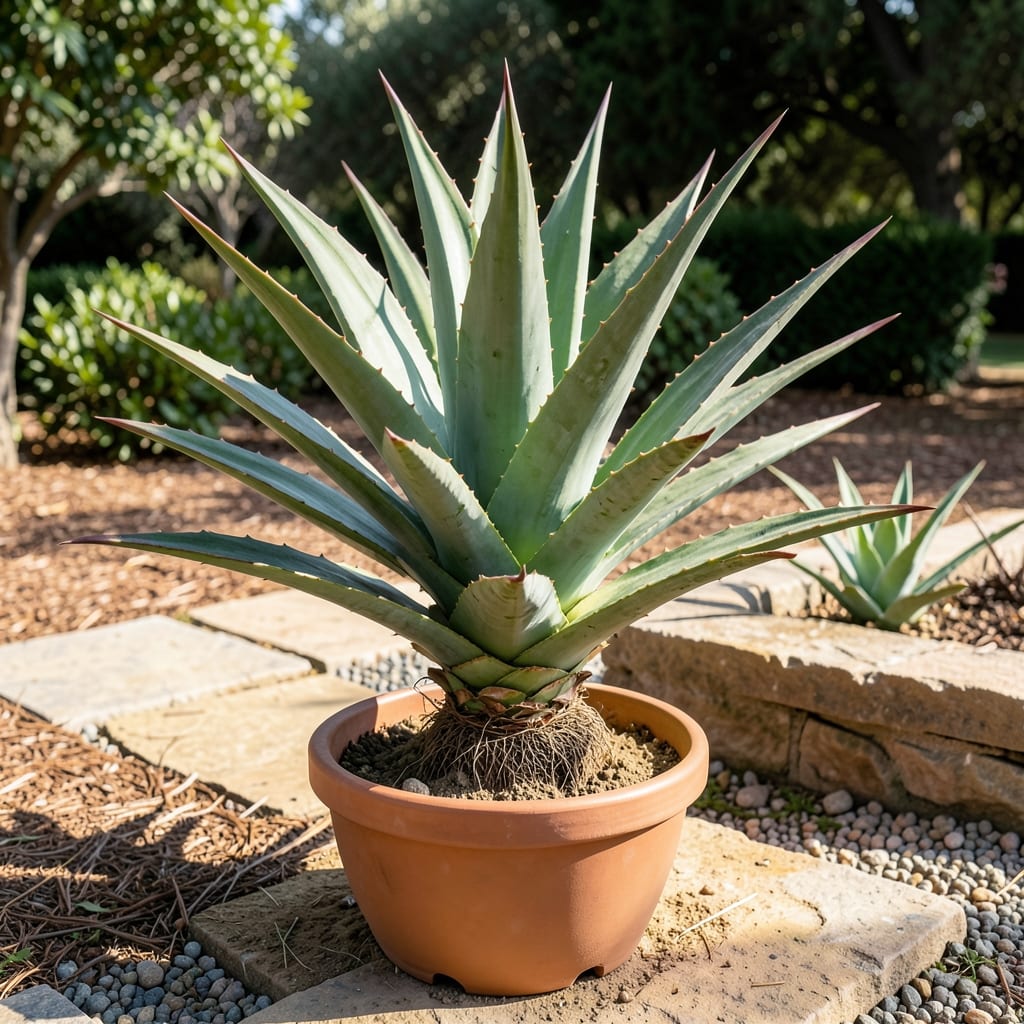
Succulent height variations: from miniature to tree-like giants
Succulents come in every size imaginable—some so tiny they fit on a thumb, others soaring like miniature trees in your landscape. The height range of succulents spans from 1-inch dwarf varieties to 40-foot giants like the Aloe dichotoma. Understanding these variations helps you choose the perfect plant for your space, whether it’s a windowsill or a sunny garden bed.
Most succulents fall into three broad categories: dwarf (under 3 inches), medium (6–12 inches), and tall (over 3 feet). The fastest-growing species can add 6 inches per year under ideal conditions, while slow growers may take decades to reach maturity. Let’s explore the extremes and everything in between.
🌵 Dwarf Succulents (1–3 inches)
| Variety | Notes |
|---|---|
| Lithops (Living Stones) | Mimics pebbles; stays under 1 inch |
| Echeveria 'Lola' | Compact rosette; ideal for terrariums |
| Haworthia attenuata | Zebra plant; 2–3 inches tall |
These mini succulents thrive in small pots or crevices, making them perfect for rock gardens or as fairy garden accents. Their slow growth means they’ll stay petite for years with minimal care. Just ensure they get bright indirect light to prevent stretching.
🌿 Medium Succulents (6–12 inches)
This category includes classic favorites like Haworthia and Sedum, which are versatile enough for indoor decor or container gardening. Plants like Sedum 'Autumn Joy' grow 12–18 inches tall and produce stunning pink flowers in fall. Their moderate growth rate makes them ideal for beginners.
Echeveria varieties, such as Echeveria 'Perle von Nürnberg', often reach 8–10 inches and form rosette shapes that resemble artichokes. These succulents are low-maintenance but benefit from well-draining soil and occasional pruning to encourage bushier growth.
🌳 Tall Succulents (3+ feet)
For those dreaming of dramatic statement plants, tall succulents deliver. The quiver tree (Aloe dichotoma) is a South African native that can grow up to 40 feet tall in the wild, though indoor or container-grown specimens typically max out at 6–10 feet. This slow-growing giant lives for decades and produces white flowers in spring.
Other tall succulents to consider:
- Agave americana: Can reach 10–15 feet with spiky, architectural leaves.
- Yucca elephantipes: Grows 6–12 feet tall and thrives in hot, dry climates.
- Beaucarnea recurvata (Ponytail Palm): Develops a bulbous base and grows 6–10 feet indoors.
These tall varieties need spacious containers or ground planting to accommodate their deep root systems. In containers, they may grow slower but still make a stunning focal point.
Even small succulents can surprise you with height over time. For example, a 3-inch Haworthia might grow 6 inches tall in 5 years with proper care. The key is patience—most succulents grow slowly compared to other plants, but their unique shapes and low maintenance make them worth the wait.
Whether you love tiny terrarium plants or towering desert giants, there’s a succulent height that’s perfect for your vision. Next, we’ll explore what factors influence how tall your succulent will grow—and how to optimize its potential without overwatering.
What determines how tall your succulent will grow?
Your succulent’s height isn’t just luck—it’s a mix of genetics, environmental factors, and your care habits. Some species are naturally dwarf varieties like Lithops (pebble plants), while others, like Aloe dichotoma (quiver tree), can reach 40 feet tall under ideal conditions. Let’s break down the key players shaping your succulent’s growth trajectory.
First, species genetics set the baseline. For example, Echeveria typically stays between 6 to 12 inches, while Agave americana can grow 10 to 15 feet in the wild. Even within a species, some cultivars grow taller or bushier due to natural variations. Always check your plant’s mature height range when selecting it.
Sunlight is another critical factor. Most succulents thrive in full sun (6+ hours daily), which encourages vertical growth. However, over-exposure to harsh afternoon sun can stress some species, slowing their growth. If your succulent isn’t getting enough light, it may stretch unnaturally—a condition called etiolation—which weakens its structure and limits height potential.
Soil quality and drainage play a surprising role too. Succulents need well-draining soil to prevent root rot, which can stunt growth. A mix of cactus/succulent soil with perlite or pumice ensures roots get the oxygen they need to support upward growth. If your soil is too dense, roots suffocate, and your plant may stay small or develop weak stems.
Container size matters more than you might think. Succulents in too-small pots become root-bound, limiting their height and overall health. Always choose a container that’s 1-2 inches larger in diameter than the plant’s current base. For example, a 6-inch pot works well for a 3-inch-tall Echeveria, but the same plant in a 10-inch pot will grow taller and bushier over time.
Finally, watering habits directly impact height. Overwatering causes root rot and weak stems, while underwatering stunts growth. Aim for a deep soak every 2-3 weeks in spring and summer, then reduce to every 4-6 weeks in winter. A consistent watering schedule keeps your succulent healthy and encourages steady, upward growth.
By tweaking these factors—light, soil, container size, and water—you can coax your succulent to reach its full height potential. Even a dwarf species like Lithops will thrive and grow slightly larger with optimal care, while a tall variety like Agave will stretch toward the sky with the right conditions. 🌵