
Flowers
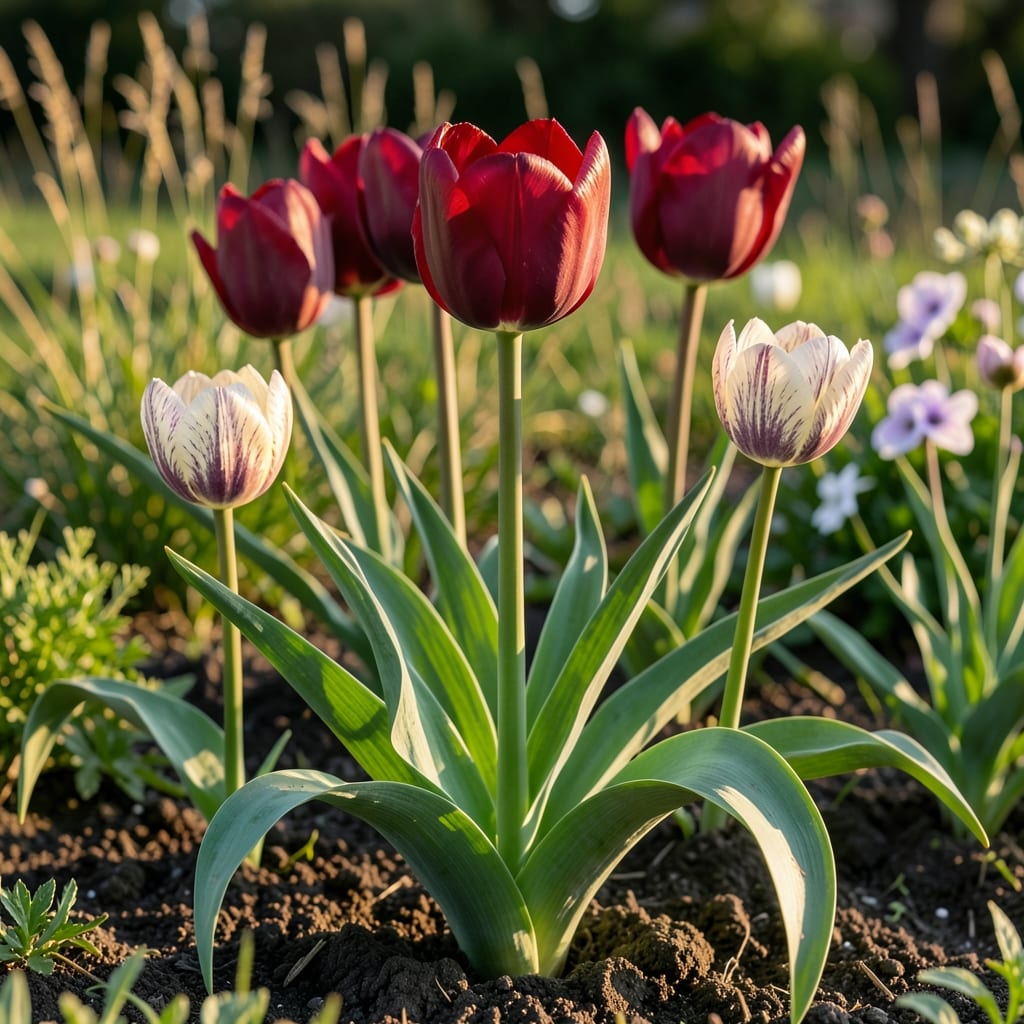
If you’ve ever planted tulips expecting a modest flower and ended up with a towering stalk, you’re not alone—how tall can tulips grow depends more on the variety than you might think! Some varieties barely reach your knee, while others shoot up like miniature trees, surprising even seasoned gardeners.
Tulips typically range from 6 inches to over 2 feet tall, with dwarf varieties perfect for containers and giant species dominating borders. The key to controlling their height lies in choosing the right type for your space—whether you want a low-maintenance border or dramatic vertical accents in your garden.
Sunlight, soil quality, and even planting depth play a role in how tall your tulips grow. For taller varieties, a little support can prevent them from flopping over, while proper spacing ensures they reach their full potential without competing for nutrients.
Let’s break down the height ranges by variety and share tips to help you grow the perfect-sized tulips for your garden—no surprises included!


Tulip height ranges by variety: from dwarf to giant species
Tulips come in a stunning array of heights, from tiny dwarf varieties that fit perfectly in containers to towering giants that make bold garden statements. Understanding these differences helps you plan your garden layout and choose the perfect tulips for your space—whether you're working with a small balcony or a sprawling backyard.
The average tulip height falls between 12 and 24 inches, but some varieties can stretch up to 28 inches or more. For example, the Darwin Hybrid tulips often reach 24–28 inches, while species tulips like Tulipa tarda stay compact at just 6–12 inches. Let’s explore the height ranges so you can pick the perfect fit for your garden!
🌷 Visual Guide: Tulip Heights by Variety
| Variety Type | Height Range | Best For | Notes |
|---|---|---|---|
| Dwarf Tulips | 6–12 inches | Containers, rock gardens, borders | Perfect for small spaces; examples: 'Tiny Star', 'Peppermint Stick' |
| Semi-Dwarf Tulips | 12–18 inches | Cutting gardens, mixed borders | Versatile height; examples: 'Queen of Night', 'Red Emperor' |
| Standard Tulips | 18–24 inches | Back of borders, cutting gardens | Classic height; examples: 'Parrot tulips', 'Fosteriana' |
| Giant/Darwin Hybrid Tulips | 24–28 inches | Cutting gardens, tall borders | Strong stems; examples: 'Apeldoorn', 'West Point' |
| Species Tulips | 6–16 inches | Wildflower gardens, naturalized areas | Unique shapes; examples: Tulipa greigii, Tulipa tarda |
If you’re designing a layered garden border, start with taller varieties at the back and place dwarf tulips in the front. This creates a stunning visual flow and ensures no flowers get hidden by their neighbors. For container gardening, dwarf tulips are your best bet—they thrive in pots and add pops of color to patios or balconies.
Some tulip varieties also have unique growth habits. For instance, parrot tulips often grow slightly taller than standard varieties, while fringed tulips like 'Black Hero' can reach 20–24 inches with dramatic, ruffled petals. If you love bold colors and textures, these varieties add height and drama to your garden!
Pro tip: Check the plant tag or seed packet for height estimates—some nurseries even label tulips with their mature height. This small detail can save you from planting a 2-foot-tall variety in a spot where it’ll tower over your deck or pathway!
For gardeners in USDA Zone 6a or colder, tulip height isn’t just about aesthetics—it’s also about winter hardiness. Taller varieties may need extra support in windy areas to prevent flopping, while dwarf tulips can handle more exposure without risking damage. Always plant bulbs in well-draining soil to encourage healthy root growth, which directly impacts stem strength and height.
Now that you know the height ranges, you can confidently mix and match tulips to create a garden that’s both functional and stunning. Whether you’re aiming for a whimsical cottage garden or a structured formal border, the right tulip height makes all the difference!
Tulip height ranges by variety: from dwarf to giant species
Tulips aren’t one-size-fits-all—some varieties barely peek over a windowsill, while others tower like miniature trees. The average tulip height falls between 12 and 24 inches, but extremes can reach just 6 inches or stretch to 2.5 feet, depending on the type. Understanding these ranges helps you plan your garden layout and avoid overcrowding.
Dwarf tulips, like the ‘Tiny Star’ or ‘Peppermint Stick’, stay compact at 6–12 inches, making them ideal for containers, rock gardens, or edging. Semi-dwarf varieties, such as ‘Darwin Hybrid’ or ‘Fosteriana’, grow 12–18 inches, perfect for borders or mixed beds. Meanwhile, standard tulips like ‘Parrot’ or ‘Double Late’ varieties can soar to 20–24 inches.
Giant species, such as ‘Darwin Tulips’ or ‘Kaufmanniana’, often exceed 2 feet, dominating garden spaces with bold, dramatic blooms. These taller varieties thrive in full sun and well-drained soil, where they can reach their full potential without flopping over.
| Variety Type | Height Range | Best For |
|---|---|---|
| Dwarf Tulips | 6–12 inches | Containers, rock gardens, edging |
| Semi-Dwarf Tulips | 12–18 inches | Borders, mixed beds, small gardens |
| Standard Tulips | 18–24 inches | Cutting gardens, back of borders |
| Giant Tulips | 20–28 inches | Dramatic focal points, tall borders |
Choosing the right variety for your space ensures your tulips thrive without competing for sunlight or nutrients. For example, dwarf tulips in containers won’t need staking, while taller varieties may require sturdy supports to prevent them from bending in wind or rain. Always check the plant tag for expected height before planting.
Soil quality also plays a role—rich, well-draining soil encourages taller growth, while poor soil can stunt even the hardiest varieties. If you’re unsure about your soil, a simple compost amendment can make a big difference in both height and bloom quality.
For gardeners with limited space, dwarf or semi-dwarf tulips are the best choice, offering vibrant blooms without overwhelming your layout. Meanwhile, those with larger gardens can experiment with giant varieties for a stunning vertical impact.