
Lawn
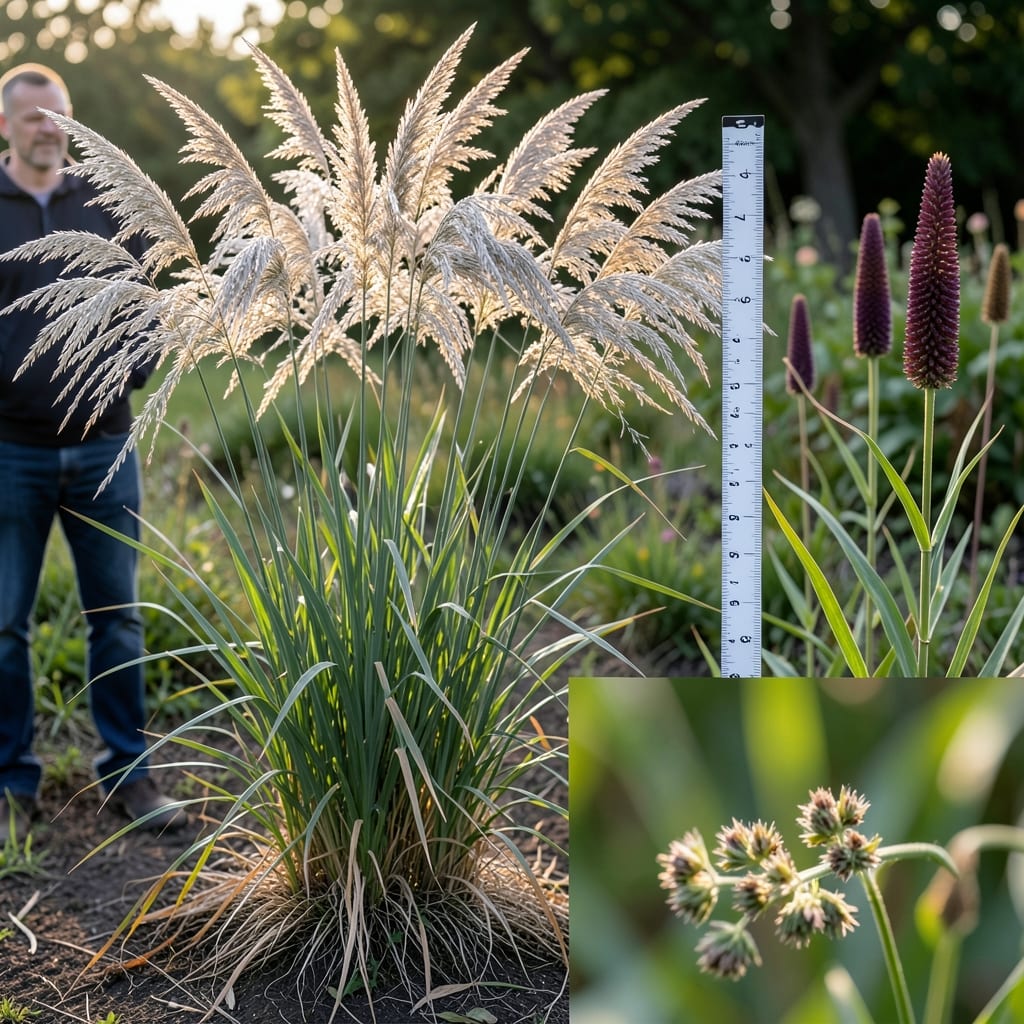
If you’ve ever wondered just how tall wild grass like 🌿 bamboo or Johnson grass can grow, the answer might surprise you—some species reach heights that rival small trees! While most wild grasses stay between 3 to 6 feet, certain varieties in ideal conditions can shoot up to 20 feet or more, turning your backyard into a towering green landscape.
What makes these giants of the grass world grow so tall? It’s a mix of genetics, climate, and soil quality. In USDA Zone 6a, where spring planting is key, factors like water availability and sunlight play a huge role. Some grasses, like Phragmites, thrive in wet areas and can dominate landscapes if left unchecked—making them both fascinating and potentially problematic.
But here’s the good news: you don’t need a jungle to grow wild grass at home. With the right soil prep and spacing, you can cultivate these towering plants as natural privacy screens or even for forage. Just be mindful—some species spread aggressively, so choosing the right variety for your space is critical.
In this guide, I’ll break down the tallest wild grass species, what fuels their growth, and how you can harness their height—safely and effectively—for your own outdoor space. Let’s dive in!


World’s tallest wild grass species and their record heights
When it comes to wild grass, some species truly defy expectations by reaching heights that rival small trees. The giant reed (Arundo donax), often called the "tallest grass in the world," can tower up to 20 feet or more under ideal conditions. This bamboo-like grass is native to the Mediterranean but thrives in warm climates globally, making it a standout in landscapes where it’s planted.
Another record-breaker is the common reed (Phragmites australis), which can grow between 12 to 18 feet tall. Found in wetlands and marshes worldwide, this grass forms dense stands that dominate its environment. Its height and spread make it both ecologically vital and a potential nuisance in gardens.
For those in USDA Zone 6a, where spring planting is ideal, grasses like switchgrass (Panicum virgatum) and big bluestem (Andropogon gerardii) offer striking heights of 6 to 12 feet. These native prairie grasses are not only tall but also drought-tolerant, making them excellent choices for low-maintenance landscapes.
Here’s a closer look at the top 5 tallest wild grass species and their impressive heights:
| Grass Species | Native Habitat | Peak Height | Growth Rate |
|---|---|---|---|
| Giant Reed (Arundo donax) | Mediterranean, warm climates | 20+ feet | Fast (3-6 ft/year) |
| Common Reed (Phragmites australis) | Wetlands, marshes (global) | 12-18 feet | Moderate (2-4 ft/year) |
| Switchgrass (Panicum virgatum) | Prairies, North America | 6-12 feet | Slow to moderate (1-3 ft/year) |
| Big Bluestem (Andropogon gerardii) | Prairies, US/Canada | 6-10 feet | Moderate (2-4 ft/year) |
| Johnson Grass (Sorghum halepense) | Warm regions (global) | 10-15 feet | Fast (3-5 ft/year) |
The giant reed (Arundo donax) isn’t just tall—it’s also one of the fastest-growing grasses, capable of adding 3 to 6 feet per year in ideal conditions. This makes it a popular choice for privacy screens and windbreaks, though its aggressive spread requires careful management. In contrast, switchgrass and big bluestem grow more slowly but offer stunning ornamental value with their arching seed heads and drought resistance.
If you’re considering adding tall wild grass to your landscape, it’s essential to research local
Factors that influence wild grass growth height
Wild grass height isn’t just about genetics—it’s a complex dance between nature and nurture. The soil quality plays a starring role, as nutrient-rich, well-draining soil fuels rapid growth. For example, giant reed (Arundo donax) thrives in sandy loam with plenty of organic matter, while switchgrass adapts well to poorer soils but still benefits from compost amendments. Test your soil’s pH and nutrient levels before planting to give your grasses the best start.
Water availability is another game-changer. Many tall wild grasses, like Phragmites australis, love moist conditions and can grow 30% taller in wetlands compared to drier areas. However, overwatering can lead to weak stems and disease. Aim for consistent moisture without waterlogging—think of it as giving your grasses a drink but not a bath.
Climate zones dramatically shape growth potential. In tropical regions, grasses like Johnson grass can reach 15 feet thanks to year-round warmth and humidity. Meanwhile, in USDA Zone 6a, grasses like big bluestem grow more slowly but still hit 6 to 10 feet with proper care. Cold snaps can stunt growth, so choose species suited to your local climate.
Sunlight exposure is non-negotiable for tall grasses. Most wild grasses need full sun (6+ hours daily) to reach their peak heights. Switchgrass, for instance, may only reach 4 feet in shade but can double that height in full sun. Position your grasses where they’ll bask in sunlight, but avoid harsh afternoon glare in hot climates to prevent stress.
Human activities can either boost or hinder growth. Fire suppression in prairie ecosystems, for example, allows grasses like big bluestem to grow taller and denser by removing competition. Conversely, overgrazing can stunt growth. If you’re planting wild grasses in your yard, mimic natural cycles by mowing or trimming strategically—never cutting more than one-third of the height at a time.
Genetics set the baseline, but environmental factors determine how close wild grasses come to their potential. For instance, giant reed might only reach 12 feet in a container but soar to 20 feet in a spacious, sunny meadow. Understanding these factors lets you create the perfect conditions for your grasses to thrive—or rein them in if they’re getting too tall for your space.
Here’s a quick breakdown of the top factors affecting wild grass height:
- 🌱 Soil nutrients: Rich soil = faster, taller growth (e.g., giant reed loves compost).
- 💧 Water access: Wetland grasses grow 30% taller with consistent moisture.
- ☀️ Sunlight: Full sun doubles height for species like switchgrass.
- 🌡️ Climate: Tropical zones enable 15-foot Johnson grass; cooler zones limit growth.
- ✂️ Human care: Strategic mowing or fire mimics natural growth cycles.
By tweaking these variables, you can either encourage your wild grasses to reach their full potential—or keep them in check. The key is observation: watch how your grasses respond to their environment and adjust accordingly. Whether you’re aiming for a privacy screen or a wildflower meadow, understanding these factors will help you grow the perfect grass height for your goals.