
How To
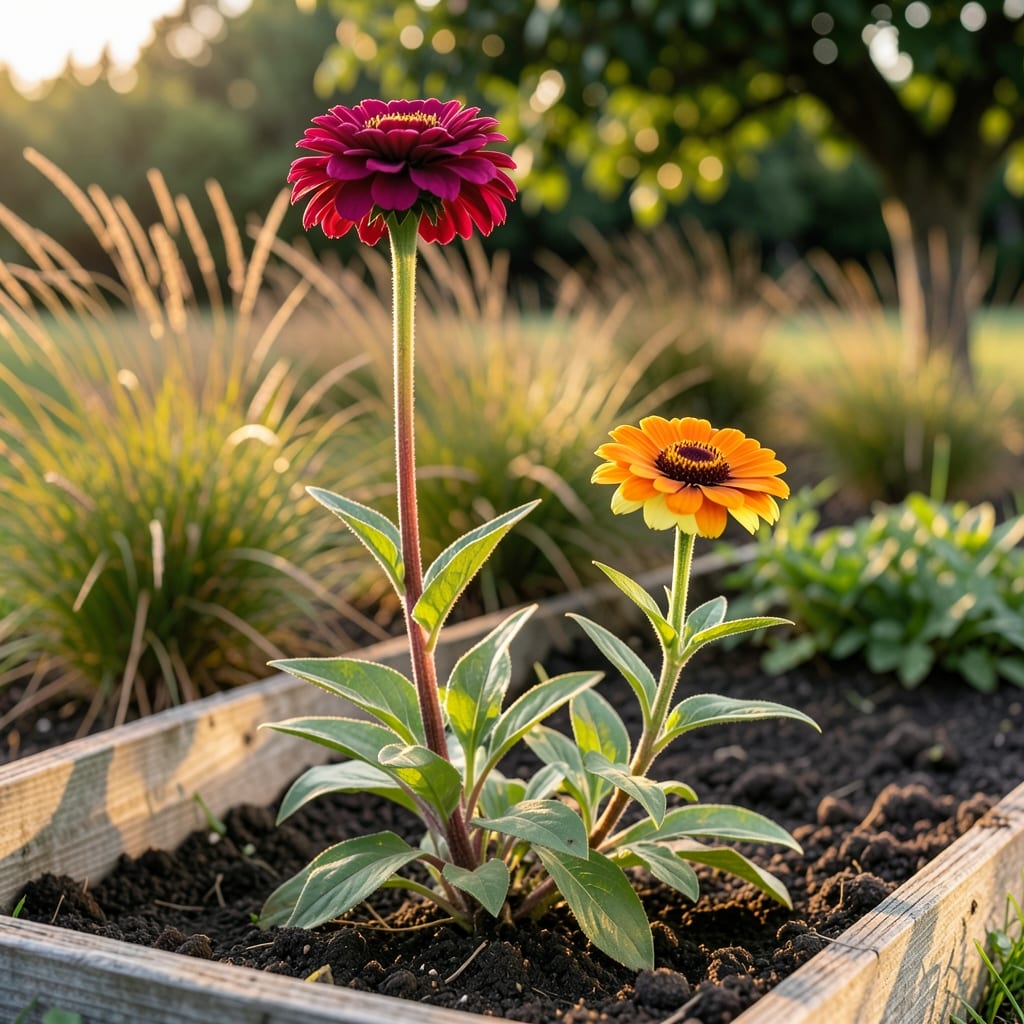
If you're wondering how tall can zinnias grow, the answer might surprise you—these vibrant blooms span from tiny 6-inch dwarfs to towering 5-foot giants! Whether you're dreaming of a cottage garden or a compact container display, zinnias adapt beautifully to any space, making them a gardener's dream.
What makes zinnias so versatile is their incredible height range, which depends on the variety you choose. Dwarf zinnias like 'Thumbelina' stay compact, perfect for borders or window boxes, while tall varieties such as 'Benary's Giant' reach impressive heights, ideal for cutting gardens or adding drama to the back of a flowerbed.
The key to growing zinnias at their full potential lies in a few simple factors: sunlight, soil quality, and proper spacing. These sun-loving flowers thrive with at least 6-8 hours of direct light daily, and well-draining soil helps them reach their maximum height without flopping over.
Ready to plan your zinnia garden? Whether you're aiming for a sea of petite blooms or a backdrop of towering stems, understanding their height variations will help you create a stunning, low-maintenance display that blooms all season long.


Zinnia height variations: from dwarf to giant varieties
Zinnias are one of the most height-diverse flowers you can grow, offering something for every garden space. Whether you have a tiny balcony or a sprawling backyard, there's a zinnia variety that will thrive. The height range spans from 6-inch dwarfs to 5-foot giants, making them incredibly adaptable to different garden designs.
Understanding these height variations helps you plan your garden layout effectively. Dwarf zinnias are perfect for window boxes and borders, while tall varieties create stunning backdrops or focal points. Let's explore the four main height categories and some popular varieties within each.
🌼
The dwarf zinnias are ideal if you're working with limited space. Varieties like 'Thumbelina' reach just 6-12 inches tall, making them perfect for container gardening or as edging plants. Their compact size also means they require less staking support and are easier to maintain.
For those who love cut flowers, the medium and tall zinnias are excellent choices. Varieties like 'Benary's Giant' can grow up to 4 feet tall, providing long stems perfect for bouquets. These taller varieties often need support stakes or cages to prevent them from flopping over in wind or rain.
When choosing zinnias for your garden, consider not just their height but also their bloom size and color. Some tall varieties have large, showy blooms that make them stand out, while dwarf varieties often have smaller but prolific flowers. This variety ensures you can create a garden that's both functional and visually stunning.
🌻
One of the most exciting aspects of growing zinnias is their ability to fill vertical space quickly. In just a few weeks, a 6-inch dwarf zinnia can transform a window box, while a 5-foot giant can become the centerpiece of your garden. This rapid growth makes zinnias a favorite among gardeners who want instant impact.
If you're planning a pollinator-friendly garden, consider mixing heights for a layered look. Tall zinnias attract bees and butterflies from a distance, while dwarf varieties provide landing spots closer to the ground. This combination creates a thriving ecosystem that benefits both your garden and local wildlife.
For container gardening, stick to dwarf or semi-dwarf varieties. A 10-inch pot can comfortably hold a 'Thumbelina' zinnia, while larger containers can accommodate semi-dwarf varieties. Just ensure your container has drainage holes to prevent root rot, which can stunt growth.
🪴
Zinnia height variations: from dwarf to giant varieties
Zinnias truly shine with their height diversity, offering something for every garden space. Whether you're working with a tiny balcony or a sprawling backyard, there's a zinnia variety that fits perfectly. The smallest zinnias like 'Thumbelina' reach just 6-12 inches, while the tallest varieties like 'Benary's Giant' can soar to 5 feet or more. This incredible range lets you create layered garden designs with ease.
Understanding these height categories helps you plan your garden layout effectively. Dwarf zinnias are perfect for borders, window boxes, or container gardens, while tall varieties make stunning backdrops or cut flower displays. The key is matching the variety to your specific space and design goals.
Here’s how zinnia heights break down by category, along with popular varieties that represent each size range:
| Category | Height Range | Popular Varieties | Best For |
|---|---|---|---|
| Dwarf | 6-12 inches | Thumbelina, Crystal Series | Borders, containers, window boxes |
| Semi-Dwarf | 1-2 feet | Profusion Series, Zahara | Mixed borders, pollinator gardens |
| Medium | 2-3 feet | State Fair, Queen Red Lace | Cut flowers, mid-height beds |
| Tall | 3-5 feet | Benary’s Giant, Green Envy | Backdrop plants, cutting gardens |
Choosing the right height for your garden isn’t just about aesthetics—it’s also about practicality. For example, tall zinnias often need staking to prevent flopping, while dwarf varieties are ideal for small spaces where you want to avoid overcrowding. Mixing heights creates visual interest and helps you maximize your garden’s potential.
If you're growing zinnias for cut flowers, taller varieties with sturdy stems are your best bet. Varieties like 'Benary's Giant' produce long-lasting blooms that hold up well in bouquets. For pollinator gardens, semi-dwarf or medium-height zinnias attract bees and butterflies without dominating the space.
For container gardening, dwarf zinnias are the way to go. They thrive in pots and window boxes, making them perfect for patios, balconies, or small urban gardens. Just ensure your container has good drainage and enough space for roots to spread.
No matter which height you choose, zinnias bring vibrant color and long-lasting blooms to your garden from summer through fall. With so many options, you can experiment until you find the perfect fit for your space! 🌼