
How To
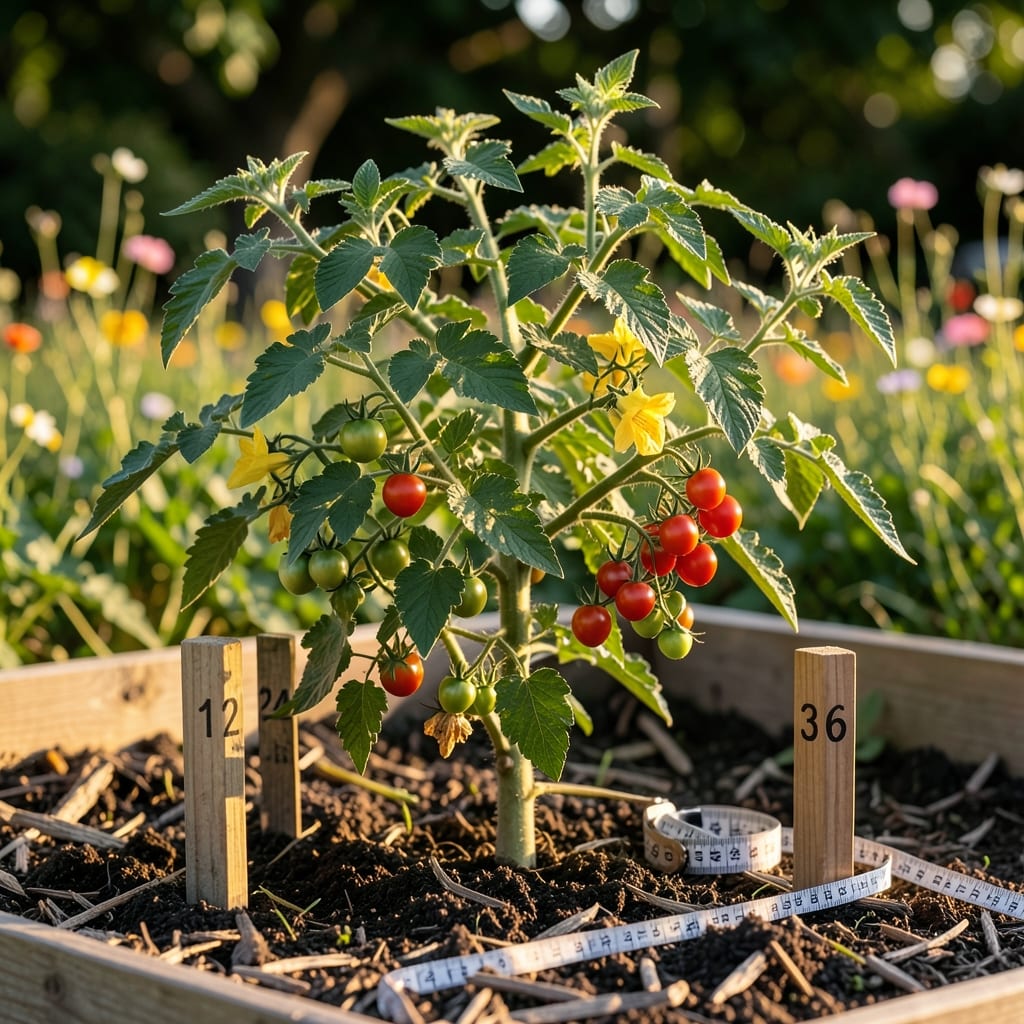
Wondering how tall cherry tomatoes grow and whether your garden can handle their vertical ambitions? You’re not alone—many gardeners assume these tiny fruits come from low-slung plants, but some varieties reach 6 feet or more! The difference between a compact bush and a sprawling vine can mean the difference between a neat container garden and a jungle of green that needs serious support.
If you’re growing 🍅 cherry tomatoes in Zone 6a, you’ll want to know which varieties stay under 3 feet (like 'Tiny Tim') and which demand a trellis or cage (like 'Black Cherry'). The right choice depends on your space, goals, and how much pruning you’re willing to do—because even the tallest varieties can be tamed with the right techniques.
In this guide, I’ll break down the exact height ranges for popular varieties, how to support them based on their growth habits, and the 5 key factors that influence how tall (or short) your plants become. Whether you’re a balcony gardener or a backyard farmer, you’ll leave here with a clear plan to maximize your harvest—without sacrificing your sanity (or your fence space!).
Ready to turn your cherry tomato dreams into a reality? Let’s dive into the heights, supports, and secrets to growing these sun-loving plants at their best—no guesswork required.


Cherry tomato height ranges by variety: compact vs. vining types
Cherry tomatoes are one of the most versatile vegetables in your garden, offering three distinct growth habits that dramatically affect their mature height. Whether you have a small balcony or a large backyard, choosing the right variety ensures your plants thrive without overcrowding. Let’s break down the key differences between dwarf, semi-determinate, and indeterminate varieties so you can pick the perfect fit for your space.
First, dwarf cherry tomatoes are the compact champions of the garden, typically reaching heights between 1-3 feet. Varieties like 'Tiny Tim' or 'Balcony Red' are perfect for container gardening or small raised beds. These bushy plants stop growing once they hit their mature height, making them low-maintenance and ideal for beginners or urban gardeners with limited space.
Next, semi-determinate varieties strike a balance, growing 3-4 feet tall with a slightly sprawling habit. Popular picks like 'Sweet 100' or 'Sun Gold' produce clusters of fruit along the stem but don’t require extensive support. They’re great for in-ground gardens or larger containers, offering a moderate height that’s easy to manage with minimal staking.
Finally, indeterminate cherry tomatoes are the vertical giants, often soaring to 6 feet or taller with continuous vine growth. Varieties such as 'Black Cherry' or 'Super Sweet 100' need strong trellises or cages to support their weight. These plants produce fruit all season long, but their uncontrolled height requires regular pruning and support to prevent sprawling and disease.
Choosing the right variety isn’t just about height—it’s also about productivity. Indeterminate varieties, for example, produce fruit all season long but need more space and care, while dwarf varieties offer quick harvests with minimal effort. If you’re short on space, 'Balcony Red' or 'Patio' varieties are excellent choices, while gardeners with vertical space should opt for 'Super Sweet 100' or 'Sun Gold' for a bountiful harvest.
One common mistake is assuming all cherry tomatoes need full trellising. In reality, semi-determinate varieties often thrive with light support, like a 3-foot stake or a small cage. This saves time and effort while still keeping plants off the ground, reducing the risk of disease and pests. For indeterminate types, however, skipping support can lead to sprawling vines and poor air circulation, which invites problems like blight.
Pro tip: If you’re unsure which variety to pick, start with a mix of heights in your garden. For example, plant 'Tiny Tim' in containers on your patio and 'Black Cherry' along a trellis in the corner of your yard. This way, you get the best of both worlds—compact convenience and towering productivity—without sacrificing space or flavor.
Remember, the height of your cherry tomatoes isn’t set in stone. With proper pruning and training, even indeterminate varieties can be kept slightly shorter if needed. We’ll dive deeper into support techniques in the next section, but for now, focus on selecting varieties that match your garden layout and goals. Whether you’re growing for salads, snacking, or sauces, the right height makes all the difference!
Now that you know the height ranges and growth habits, let’s explore how to support your cherry tomatoes based on their size—because even the smallest plants benefit from a little help reaching their full potential! 🌱
How to support cherry tomatoes based on their height
Supporting your cherry tomatoes isn’t just about aesthetics—it’s critical for health, yield, and space efficiency. Without proper support, vining varieties can sprawl, leading to disease, poor airflow, and smaller fruit. The right method depends on your chosen variety’s mature height and your garden’s layout. For dwarf varieties (1-3 ft), minimal support like small cages works, while indeterminate types (4-6 ft) need sturdy trellises or stakes.
Start supporting your plants early—as soon as they reach 12-18 inches tall. This prevents root disturbance later. For bushy determinate varieties, a 5-foot tomato cage (or DIY wire frame) is ideal. These cages should be installed at planting to avoid damaging roots. Indeterminate vines, however, thrive on vertical trellises or bamboo stakes, which guide their growth upward and make harvesting easier.
🌱
Step-by-Step Support Guide for Cherry Tomatoes
- Step 1: Choose Support Based on Variety
- Dwarf (1-3 ft): Use small cages (3-4 ft) or bamboo stakes (3 ft).
- Semi-Dwarf (3-4 ft): Opt for 5-ft cages or T-posts with twine.
- Indeterminate (4-6+ ft): Install trellises, stakes, or floppy file folders.
- Step 2: Install Support at Planting
- Drive stakes or cages 6-8 inches deep into the soil.
- For trellises, use galvanized wire or wooden frames secured to a fence.
- Step 3: Train Vines Early
- Gently tie vines to supports with soft plant ties or old T-shirts.
- Avoid tight binding—leave room for growth.
- Step 4: Prune for Airflow
- Remove suckers (side shoots) to focus energy on fruit.
- Trim lower leaves to improve airflow and reduce disease.
- Step 5: Adjust Support as Plants Grow
- Add extra ties or extend trellises as vines reach new heights.
- For heavy fruit loads, use additional stakes to prevent toppling.
Pruning plays a huge role in managing height. For indeterminate varieties, prune suckers (the small shoots in the leaf axils) regularly to encourage upward growth and larger fruit. This also reduces disease risk by improving airflow. If you’re growing in containers or small spaces, prune more aggressively to keep plants under 3-4 feet.
DIY solutions like floppy file folders or old pantyhose trellises work wonders for budget-friendly gardens. For larger gardens, consider overhead trellises or A-frame supports to maximize vertical space. Just ensure your support can hold at least 10-15 lbs per plant when laden with fruit!
🌿
Pro tip: If your cherry tomatoes are already sprawling without support, don’t panic! Gently weave vines through a trellis or tie them to a nearby fence. Just be patient—it may take a few weeks for them to adjust. With the right support, you’ll enjoy bigger yields, easier harvesting, and a neater garden.