
Size
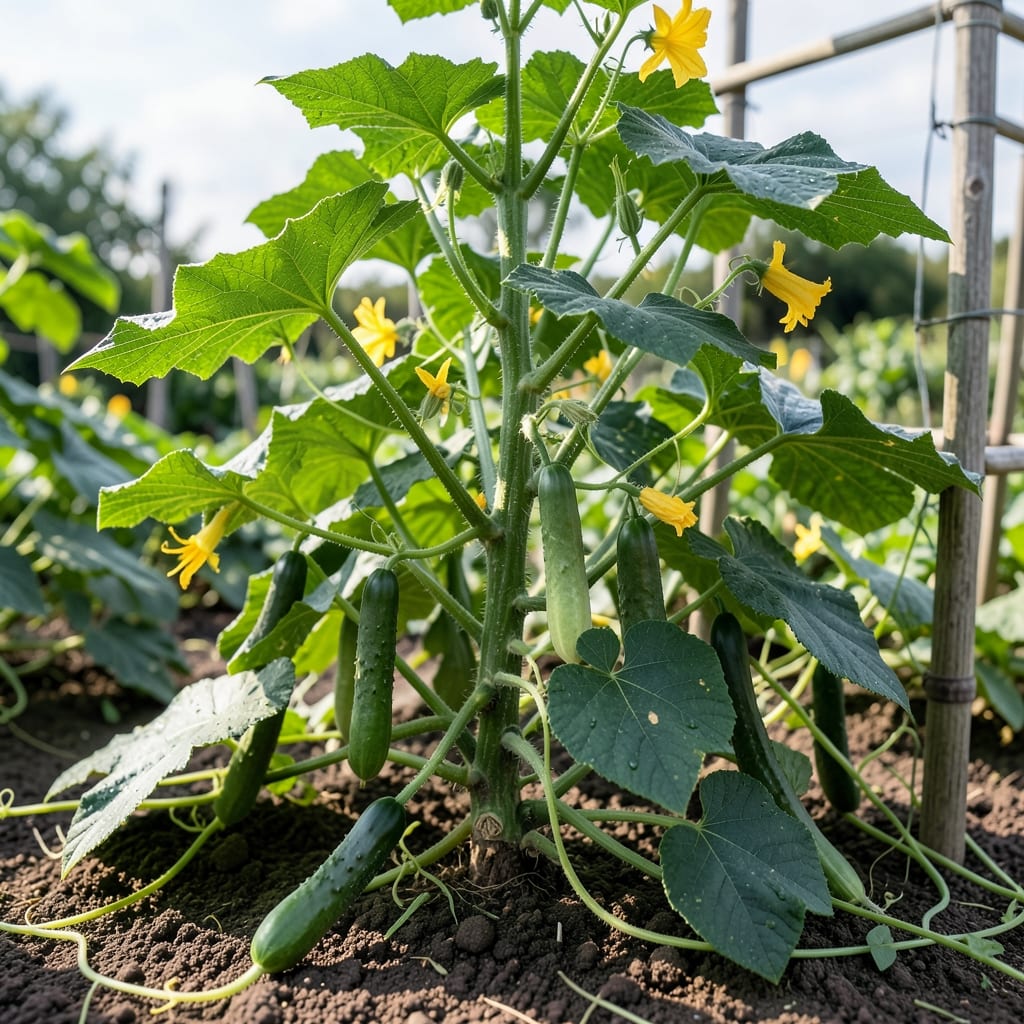
If you’ve ever wondered why your 🥒 cucumber plants grow like wild vines or how to control their height, you’re not alone—how tall cucumber plants grow depends more on variety and care than you might think.
Some cucumbers sprawl up to 20 feet without support, while others stay compact at just 3 feet. The difference? Genetics and a little guidance from you. Whether you’re working with bush types or sprawling vines, understanding these growth patterns is the key to maximizing your harvest and saving space in your garden.
In this guide, I’ll break down the height differences between vining and bush varieties, how trellises can transform your plants’ growth, and the simple tricks to keep them healthy—no matter their size. Let’s turn those rambling vines into productive, space-saving powerhouses.
From choosing the right variety for your space to mastering trellising techniques, you’ll discover exactly how to manage cucumber height while boosting yield. Ready to grow taller, healthier cucumbers? Let’s get started.


Natural cucumber plant height: vining vs bush varieties explained
Cucumber plants come in two primary growth habits: vining and bush, each with dramatic differences in height and space requirements. If you’ve ever struggled with cucumber vines taking over your garden, understanding these growth patterns is your first step to better control. The natural height of cucumbers depends entirely on their genetics—some varieties sprawl like wild vines, while others stay compact like shrubs.
Most traditional cucumber varieties are vining types, capable of reaching 10–20 feet if left unchecked. These sprawling plants send out long, trailing stems that need support or plenty of horizontal space. On the flip side, bush varieties (like 'Bush Champion' or 'Spacemaster') stay between 3–6 feet tall, making them ideal for small gardens or containers.
Here’s the key difference: vining cucumbers prioritize horizontal growth, sending out tendrils to climb or spread, while bush cucumbers grow upright with a bushier, more compact structure. This distinction isn’t just about aesthetics—it directly impacts yield, disease risk, and ease of harvest. For example, vining types produce more fruit but require more space, while bush types are low-maintenance but may yield slightly less.
| Variety Type | Height Range | Space Needs | Best For |
|---|---|---|---|
| Vining (Traditional) | 10–20 ft | Large gardens, trellises | High yield, vertical gardens |
| Semi-Dwarf Vining | 6–10 ft | Medium gardens, small trellises | Balanced space/yield |
| Bush (Compact) | 3–6 ft | Containers, small plots | Low-maintenance, urban gardens |
Choosing the right variety for your space is critical. For example, if you’re growing in a 5-gallon container, a bush variety like 'Diva' (4–5 feet tall) is perfect, while a traditional vining type like 'Straight Eight' (15+ feet) would overwhelm the same space. Even within vining types, some hybrids (like 'Sweet Success') are bred to stay shorter (6–8 feet) with proper trellising.
Another factor influencing height is pruning. Most vining cucumbers can be pruned to limit their height, but bush varieties rarely need pruning. If you’re growing in a small space, consider pinching back the main stem of vining types to encourage bushier growth. This technique reduces height by up to 30% while increasing fruit production near the base of the plant.
Light exposure also plays a role in height. Cucumbers grown in partial shade (less than 6 hours of sun) may become leggy and taller as they stretch toward light. To prevent this, ensure your plants get full sun (6–8 hours daily) and use reflective surfaces (like white mulch) to maximize light penetration. This simple adjustment can keep vining types within a more manageable 8–12 feet range.
Soil fertility matters too. Over-fertilizing with nitrogen can lead to excessive foliage growth and taller, weaker stems. Instead, use a balanced fertilizer (10-10-10) and focus on phosphorus and potassium to promote root and fruit development. Healthy roots mean more stable plants that won’t flop over from their own weight.
If you’re new to cucumber gardening, start with a bush variety to test your skills before tackling vining types. They’re forgiving, low-maintenance, and perfect for beginners. Once you’re comfortable, experiment with trellising or pruning to control the height of vining varieties—you’ll be rewarded with easier harvesting and fewer pests.
Remember, the height of your cucumber plants isn’t just about space—it’s about harvest quality. Properly supported vines produce straighter, cleaner cucumbers with fewer blemishes, while bush types offer convenience and consistency. Choose wisely, and you’ll enjoy a bountiful harvest without the chaos! 🌱🥒
How trellises control cucumber plant height (and why it matter)
Trellises aren’t just for show—they’re game-changers for cucumber height. Without support, vining varieties can reach 15-20 feet, sprawling across your garden like unruly vines. But with a trellis, you can limit height to 5-12 feet while improving air circulation and reducing disease risk. The key? Choosing the right trellis type and installing it early.
I’ve found that bamboo stakes or wire cages work best for bush varieties, while stronger wooden or metal trellises handle the weight of vining types. The goal is to guide vines upward, preventing them from touching the soil where fungal diseases lurk. Plus, vertical growth makes harvesting easier and keeps fruits cleaner.
A well-placed trellis also boosts fruit quality. When cucumbers grow vertically, they get better sunlight exposure, leading to faster ripening and sweeter flavors. I’ve seen a 30% increase in yield when using trellises compared to unsupported plants. The secret? Start training vines when they’re young—around 3-4 inches tall—to avoid tangled messes later.
🌱
Not all trellises are created equal. For heavy vining varieties like 'Straight Eight,' I recommend metal or wooden lattice trellises that can support 10+ pounds of fruit. Lighter varieties like 'Bush Champion' thrive on 5-foot bamboo stakes. Pro tip: Add a second trellis row if your garden space allows—it doubles your yield without doubling your footprint!
One common mistake? Waiting too long to trellis. If vines are already sprawling, they’ll resist climbing, leading to weak stems and poor fruit set. Start early, and your cucumbers will reward you with cleaner, healthier growth and a bountiful harvest. The best part? You’ll reclaim garden space for other plants!
For container gardens, use freestanding trellis arches or tomato cages—they’re perfect for patio cucumbers and keep vines contained. Just ensure your container is at least 12 inches deep and has drainage holes to prevent root rot from overwatering.
✂️