
How To
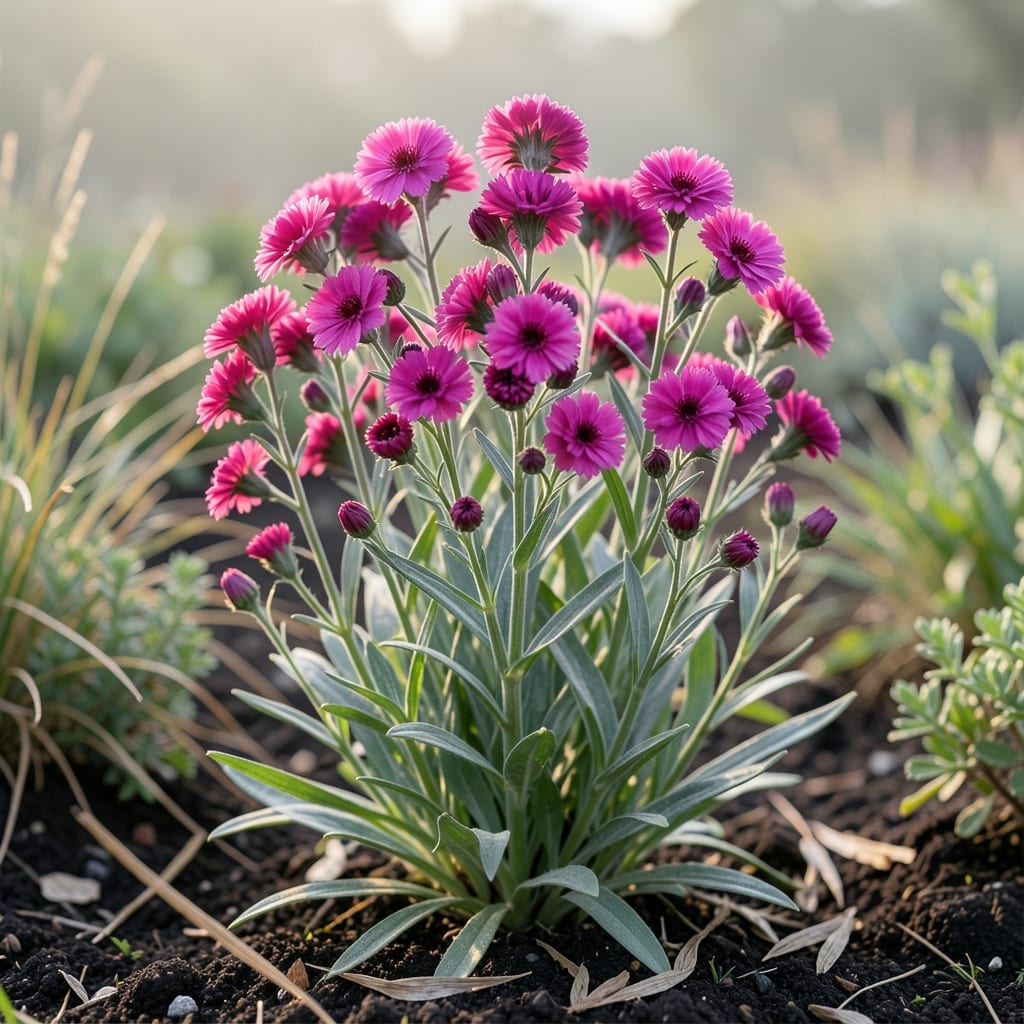
If you're planning your garden and wondering how tall Dianthus grow, you’re in for a pleasant surprise—these charming 🌸 flowers come in sizes that fit almost any space, from tiny window boxes to bold garden borders.
Some varieties stay compact, perfect for containers or rock gardens, while others stretch toward the sky, adding height to flower beds. Whether you're a beginner or a seasoned gardener, knowing these height differences is the key to placing them just right.
In this guide, I’ll break down the typical height ranges for different Dianthus types, so you can choose the perfect fit for your garden. You’ll also discover how sunlight, pruning, and soil can influence their growth—helping you keep them at your ideal height.
Ready to turn your garden into a vibrant display? Let’s explore how these versatile flowers can work for you, no matter your space or style.


Dianthus height variations: from tiny ground covers to towering specimens
Dianthus plants are famous for their versatility, and their height range is one of their most impressive features. Whether you're dreaming of a cottage garden or a modern container display, there's a Dianthus variety to match your vision. The mature height of these flowers can vary from as short as 3 inches to over 3 feet, depending on the species and cultivar.
For example, Dianthus chinensis (also known as Chinese Pinks) typically grows between 12 and 24 inches, making it ideal for garden borders or mixed flower beds. On the other hand, dwarf varieties like Dianthus deltoides (Maiden Pinks) stay between 3 and 8 inches, perfect for rock gardens or window boxes.
Understanding these height differences is key to planning your garden layout. Let’s explore the most common Dianthus varieties and their typical mature heights, so you can choose the perfect fit for your space.
| Variety | Mature Height | Best For |
|---|---|---|
| Dianthus chinensis (Chinese Pinks) | 12–24 inches | Border plants, cottage gardens |
| Dianthus barbatus (Sweet William) | 18–24 inches | Cut flowers, pollinator gardens |
| Dianthus deltoides (Maiden Pinks) | 3–8 inches | Rock gardens, window boxes |
| Dianthus gratianopolitanus (Cheddar Pink) | 6–12 inches | Alpine gardens, containers |
| Dianthus superbus (Pride of Madeira) | 12–36 inches | Tall borders, meadows |
If you're working with limited space, compact varieties like Dianthus deltoides are perfect for adding color without overwhelming your garden. These tiny beauties thrive in rock gardens or even as edging plants along pathways. Their low height makes them ideal for window boxes or hanging baskets, where their delicate blooms can spill over the edges.
For a more dramatic look, taller varieties like Dianthus barbatus (Sweet William) or Dianthus superbus (Pride of Madeira) can reach up to 3 feet. These are excellent choices for back-of-border plantings or as focal points in pollinator-friendly meadows. Their height also makes them great for cut flowers, adding structure to bouquets.
Another factor to consider is how Dianthus height changes over time. Most varieties start small in their first year but can grow significantly taller in subsequent years, especially if given the right conditions. For example, a Dianthus chinensis might only reach 12 inches in its first year but could grow to 24 inches by its third year.
If you're unsure about which variety to choose, consider your garden's sunlight exposure and soil type. Most Dianthus thrive in full sun and well-draining soil, which can influence their growth habits. For instance, dwarf varieties may stay shorter in partial shade, while taller types might stretch toward the light if they don’t get enough sun.
To keep your Dianthus at your desired height, regular pruning is essential. Pinching back the stems after flowering encourages bushier growth and prevents them from becoming leggy. This is especially useful for taller varieties, where you want to maintain a compact shape while still enjoying their height.
Now that you know the range of heights Dianthus can achieve, you’re ready to plan your garden with confidence. Whether you're aiming for a whimsical cottage garden or a modern pollinator haven, there’s a Dianthus variety that will fit perfectly into your vision. 🌸
Dianthus height variations: from tiny ground covers to towering specimens
When planning your garden, understanding how tall Dianthus grow helps you choose the right variety for your space. These flowers range from delicate 4-inch ground covers to striking 36-inch perennials, making them incredibly versatile. The key difference often comes down to whether you're growing annuals or perennials, as well as specific cultivars bred for height or compactness.
Annual Dianthus varieties like Sweet William typically reach 12-18 inches at maturity, perfect for borders or containers. Meanwhile, perennial types such as Dianthus barbatus can stretch up to 36 inches, creating bold vertical accents in cottage gardens. Even within these categories, dwarf varieties exist—like Dianthus chinensis—that stay under 8 inches, ideal for rock gardens or window boxes.
Here’s a quick comparison to help visualize their mature sizes:
| Variety | Height Range | Best For |
|---|---|---|
| Dwarf Annuals (e.g., Dianthus chinensis) | 4–8 inches | Window boxes, rock gardens |
| Standard Annuals (e.g., Sweet William) | 12–18 inches | Borders, containers, pollinator gardens |
| Perennial Types (e.g., Dianthus barbatus) | 18–36 inches | Back of borders, cottage gardens |
| Semi-Dwarf Perennials (e.g., Dianthus gratianopolitanus) | 10–16 inches | Rock gardens, alpine beds |
For example, if you’re designing a pollinator-friendly meadow, taller varieties like Dianthus barbatus will attract bees and butterflies while adding height. In contrast, dwarf varieties create a textured carpet of color in small spaces, like a window box or hanging basket. The choice depends entirely on your garden’s layout and aesthetic goals.
One common misconception is that all Dianthus grow tall—many gardeners overlook the compact cultivars that thrive in tight spaces. For instance, Dianthus 'Firewitch' stays under 6 inches, making it perfect for succession planting in containers. Meanwhile, Dianthus 'Mystic Tides' can reach 24 inches, ideal for cut flower arrangements.
Pro tip: Always check the plant tag or seed packet for mature height estimates, as some nurseries sell varieties with slightly different growth habits than standard types. This small detail can save you from overcrowding or underutilized garden space!