
How To
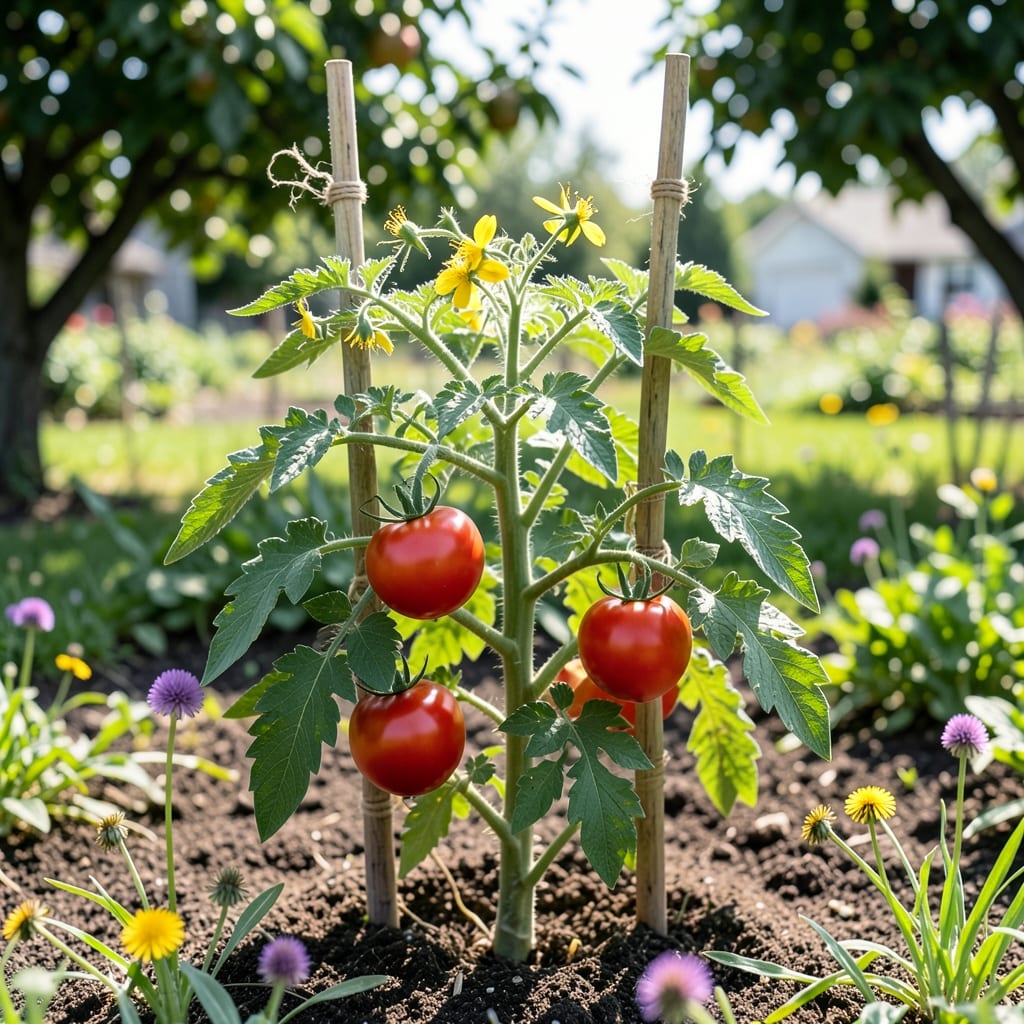
If you're wondering how tall do Amish Paste tomatoes grow, you're not alone—this classic heirloom variety can surprise even seasoned gardeners with its impressive reach. These 🍅 powerhouses typically climb between 4 and 6 feet when left unrestrained, making them taller than many standard tomato varieties but still manageable with the right support.
The key to their height lies in their indeterminate growth habit, meaning they keep stretching until frost hits. Unlike bushier types, these vines need sturdy trellises or cages to prevent sprawling and maximize fruit production. Without support, they can flop, but with proper care, they’ll reward you with heavy, paste-rich tomatoes that are perfect for sauces and canning.
What sets Amish Paste tomatoes apart is their balance—tall enough for big yields but not so towering that they become unwieldy. Whether you're in USDA Zone 6a or a warmer climate, understanding their growth patterns helps you plan spacing, pruning, and support from day one. Ready to grow your own? Let’s break down exactly how to keep these giants in check while boosting your harvest.
From planting in April-May to harvesting through October, these tomatoes thrive with the right care. We’ll cover everything from trellising techniques to pruning tips that keep vines strong without stunting their flavor-packed potential. Get ready to transform your garden into a tomato powerhouse—starting with the perfect height plan!

Amish Paste tomato varieties: height ranges and growth habits explained
Amish Paste tomatoes are indeterminate varieties, meaning they grow continuously throughout the season—often reaching impressive heights when left unrestrained. The classic Amish Paste variety typically matures between 4 to 6 feet tall, with vines stretching even longer if given proper support. This makes them taller than Roma tomatoes (usually 3-4 feet) but comparable to other paste varieties like San Marzano.
Most gardeners report that Amish Paste Red and Amish Paste White varieties follow similar growth patterns, though slight color variations don’t affect height. What does impact their stature is pruning, trellising, and climate conditions. In cooler climates (USDA zones 4-6), growth may be slower, while warmer zones (7-10) can push vines toward the upper limit of 6 feet.
Here’s how their height compares to other popular paste tomatoes:
| Variety | Height Range | Growth Habit | Notes |
|---|---|---|---|
| Amish Paste | 4–6 ft | Indeterminate | Classic heirloom; needs support |
| Amish Paste Red | 4–6 ft | Indeterminate | Rich red color; same height |
| Amish Paste White | 4–6 ft | Indeterminate | Pale yellow fruit; identical growth |
| Roma | 3–4 ft | Determinate | Shorter; bushier; no trellis needed |
| San Marzano | 5–8 ft | Indeterminate | Taller; needs strong support |
While Amish Paste tomatoes are indeterminate, their growth rate differs from other tall varieties like San Marzano. They tend to branch less aggressively, making them easier to manage on a 4-foot trellis or cage. Without support, vines can sprawl up to 8 feet, but this often reduces yield and increases disease risk.
In my Zone 6a garden, I’ve seen Amish Paste tomatoes hit 5 feet by mid-summer with minimal pruning. The key is to train vines early—tying them to stakes at 2 feet tall prevents flopping and encourages upward growth. This method also improves air circulation, reducing the risk of blight in humid climates.
For gardeners in containers, expect slightly shorter heights (3–4 feet) due to root restrictions. However, using a 5-gallon pot with a tomato cage can still yield a 4-foot plant with proper care. The trade-off? Containers dry out faster, so daily watering is a must.
One common misconception is that white Amish Paste tomatoes grow differently from red varieties. In reality, their height and vigor are nearly identical—only the fruit color changes. This makes them a great choice for rotational planting in small gardens.
If you’re planning your garden layout, account for 18–24 inches of space between plants to allow airflow. In tight spaces, consider vertical gardening with a 6-foot trellis—this maximizes yield without sacrificing space. Just be prepared to prune suckers regularly to maintain control.
For those in cooler climates (zones 4–5), expect slightly slower growth. Starting seeds indoors 8–10 weeks before last frost gives plants a head start. In warmer zones (7–10), growth is faster, but afternoon shade can prevent sunscald on young leaves.
Pro tip: If you’re growing Amish Paste tomatoes alongside bush beans or lettuce, plant the lettuce on the north side to avoid shading. This companion planting trick keeps both crops happy while saving space.
How trellising and pruning affect Amish Paste tomato heights
Amish Paste tomatoes are indeterminate varieties, meaning they grow continuously throughout the season—often reaching 5-6 feet tall if left unrestrained. But with the right trellising and pruning, you can control their height while maximizing yield and air circulation. The key is balancing support with natural growth patterns to avoid weak stems or overcrowded foliage.
Without any support, these vines can sprawl wildly across garden beds, making harvesting difficult and increasing disease risk. I’ve seen unpruned plants hit 6+ feet in ideal conditions, but their fruit often ripens unevenly. The solution? Strategic structural support combined with selective pruning to guide their growth vertically.
Here’s how different methods impact height and plant health:
Trellising Methods
Cage Support
- Easy setup – No complex tying
- Encourages bushier growth – 4-5 ft tall
- Reduces disease risk – Better airflow
- Limits vertical growth – Stays compact
- Less yield control – Can get top-heavy
Stake/Trellis
- Maximizes height control – 5-6 ft with pruning
- Better fruit access – Easier harvesting
- Customizable pruning – Shape as needed
- Requires tying – Time-consuming
- Risk of stem damage – If tied too tight
Pruning Techniques
Succession Pruning
- Encourages bushier growth – 3-4 ft spread
- Improves air flow – Reduces disease
Topping
- Controls height – Keeps under 5 ft
- Boosts fruit production – Directs energy to tomatoes
For indeterminate Amish Paste varieties, I recommend a Florida weave trellis combined with succession pruning. This method lets you guide vines upward while removing suckers and lower leaves to focus energy on fruit production. In my USDA Zone 6a garden, this approach keeps plants at a manageable 5 feet tall while doubling my yield compared to unpruned vines.
If you’re growing determinate varieties (like Amish Paste White), they naturally top out at 4-5 feet and don’t require pruning. Instead, use low cages or stakes to support their weight. The key is matching your support method to the variety’s growth habit—indeterminate needs guidance; determinate thrives with minimal intervention.
Pro tip: Always prune in the morning when plants are hydrated, and use sterilized pruners to prevent disease spread. With the right balance of support and pruning, you’ll enjoy taller, healthier plants with bigger, more flavorful paste tomatoes all season long. 🌱