
Flowers
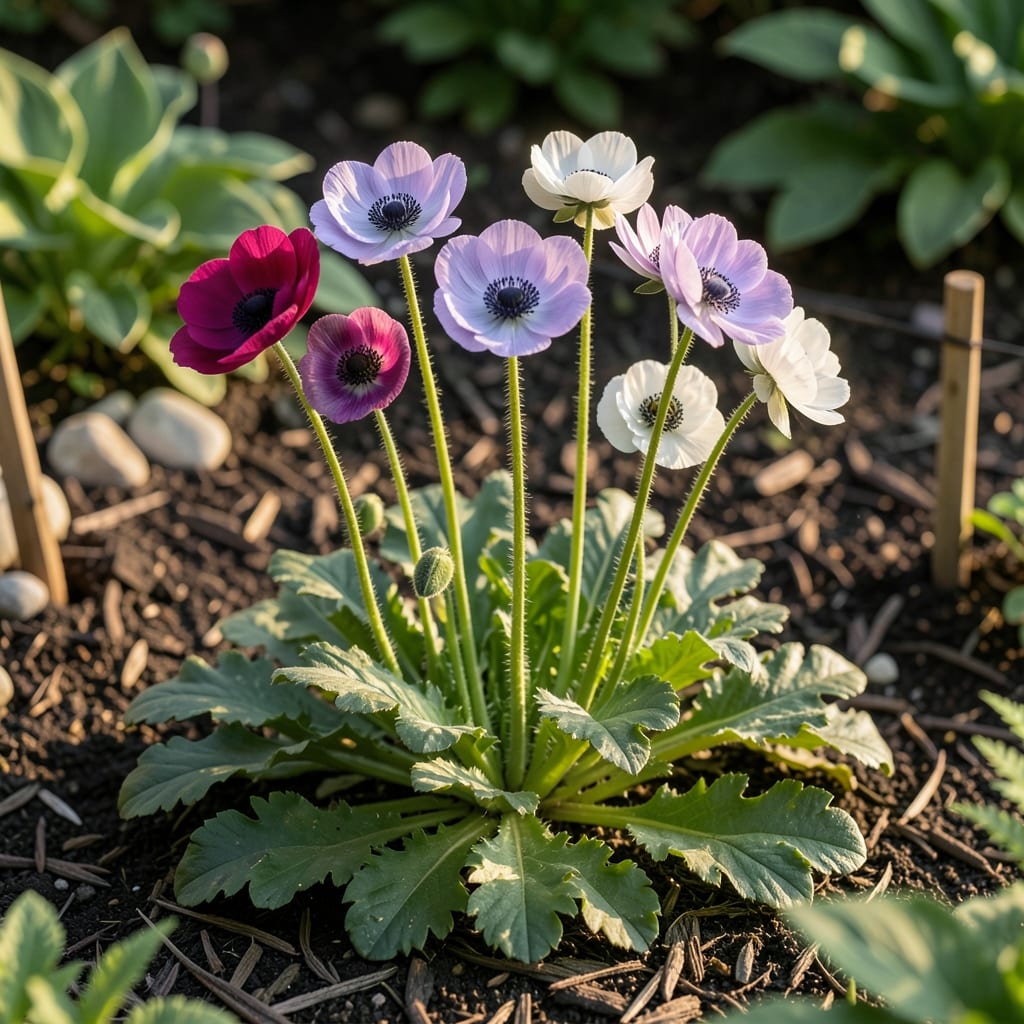
If you're planning your garden and wondering how tall do anemone flowers grow, you're in the right place—because these delicate 🌸 beauties can surprise you with their height range. Some varieties stay low and bushy, perfect for borders, while others reach towering heights that make them standout focal points.
The key to getting the right height lies in choosing the right variety and giving them the ideal growing conditions. Whether you're working in USDA Zone 6a or another climate, understanding these factors will help you place your anemones just where they'll shine. From dwarf types that stay under 1.5 feet to tall varieties that can reach 3 feet, the possibilities are endless.
But here's the thing—proper care makes all the difference. With the right soil, sunlight, and a little pruning know-how, you can encourage your anemones to grow exactly how you want them. Let’s break down the exact height ranges by variety so you can plan your garden with confidence.
Ready to discover which anemones will fit perfectly in your space? I’ll walk you through everything you need to know—from selecting the right type to keeping them at the perfect height for a stunning display.

Anemone flower height ranges by variety: from dwarf to towering types
Anemone flowers offer a stunning range of heights, making them incredibly versatile for garden design. Whether you're creating a delicate woodland garden or a bold statement in your flower beds, knowing the exact height of each variety helps you plan spacing and companion plants effectively. Some varieties stay low and spreading, while others reach towering heights that demand support.
The height of anemone flowers depends heavily on the specific variety. For example, Anemone coronaria (commonly called windflowers) typically grow between 12 to 18 inches tall, making them perfect for borders and containers. In contrast, Anemone hupehensis can reach 3 to 4 feet, providing dramatic vertical interest in the back of perennial beds.
Here’s a closer look at how different anemone varieties stack up in terms of height, along with their ideal spacing and growth habits to help you choose the right types for your garden:
Understanding these height variations is crucial for creating a balanced garden layout. For instance, Anemone hupehensis and Anemone × hybrida 'Robinsoniana' are ideal for the back of borders, where their height can be showcased. Meanwhile, Anemone blanda and Anemone nemorosa thrive in the front, adding delicate texture to woodland gardens or shaded areas.
Proper spacing is just as important as height when planting anemones. Overcrowding can lead to competition for nutrients and water, stunting growth and reducing bloom quality. Always follow the ideal spacing guidelines in the table above to ensure each plant has room to thrive.
If you're growing anemones in containers, opt for dwarf varieties like Anemone coronaria or Anemone blanda, which stay compact and won’t overwhelm smaller pots. For larger containers or garden beds, taller varieties like Anemone hupehensis can create stunning vertical interest, especially when paired with complementary plants.
One final tip: Pay attention to the growth habit of each variety. Clumping types like Anemone coronaria spread outward, while upright varieties like Anemone hupehensis grow taller and may need staking. This distinction will help you visualize how each plant will fill its space in your garden.
Now that you know the height ranges, you can confidently plan where to place each variety for a cohesive and visually stunning garden design. Whether you're aiming for a low-growing carpet of blooms or a dramatic backdrop, anemones have the perfect variety for your vision! 🌸
How Anemone flower height affects garden design and plant pairings
Anemone flowers aren’t just beautiful—their height variations make them design superstars. Knowing how tall each variety grows helps you create stunning layered borders or dramatic cut flower arrangements. For example, tall anemones (2-3 ft) like Anemone hupehensis can anchor the back of a border, while dwarf varieties (1-1.5 ft) like Anemone blanda perfect front edges or containers.
When planning your garden, think of anemones as the vertical backbone. Their delicate blooms contrast beautifully with bold foliage plants like hostas or tall grasses such as Miscanthus. This creates movement and depth, especially in partial shade gardens where anemones thrive.
For cut flower arrangements, taller varieties like Anemone coronaria (up to 3 ft) add height and drama. Pair them with medium-height flowers like Echinacea or Rudbeckia to balance the composition. Dwarf anemones, on the other hand, work wonderfully in bouquets with small blooms, such as Gypsophila or Baby’s Breath.
- 1 Back of borders: Use 2-3 ft varieties like Anemone hupehensis behind ferns or astilbes for a lush backdrop.
- 2 Container stars: Mix dwarf anemones (1-1.5 ft) with Heuchera or Ivy for spiller-thriller-filler combinations.
- 3 Cut flower focal points: Combine tall anemones (3 ft) with Delphinium or Snapdragons for vertical impact in arrangements.
- 4 Woodland gardens: Layer medium anemones (1.5-2.5 ft) with Hellebores and Lungwort for a naturalistic look.
- 5 Pollinator magnets: Plant dwarf anemones near Bee Balm or Coneflowers to attract butterflies and bees to your garden.
Pro tip: If you’re using anemones in containers or small spaces, choose dwarf varieties like Anemone nemorosa (wood anemone) to avoid overcrowding. These stay under 1.5 ft and pair beautifully with Sweet Woodruff or Lamium for a whimsical woodland vibe.
For cut flower gardens, let taller anemones like Anemone coronaria reach their full 3 ft height. Their long stems hold up well in bouquets, especially when paired with sturdy stems like Eucalyptus or Celery for structure. Just be sure to deadhead spent blooms to encourage more flowers throughout the season.
Remember, anemones thrive in partial shade, so place them where they’ll get 4-6 hours of morning sun and afternoon shade. This ensures they’ll reach their full potential height without stress, making your garden design even more stunning.