
How To
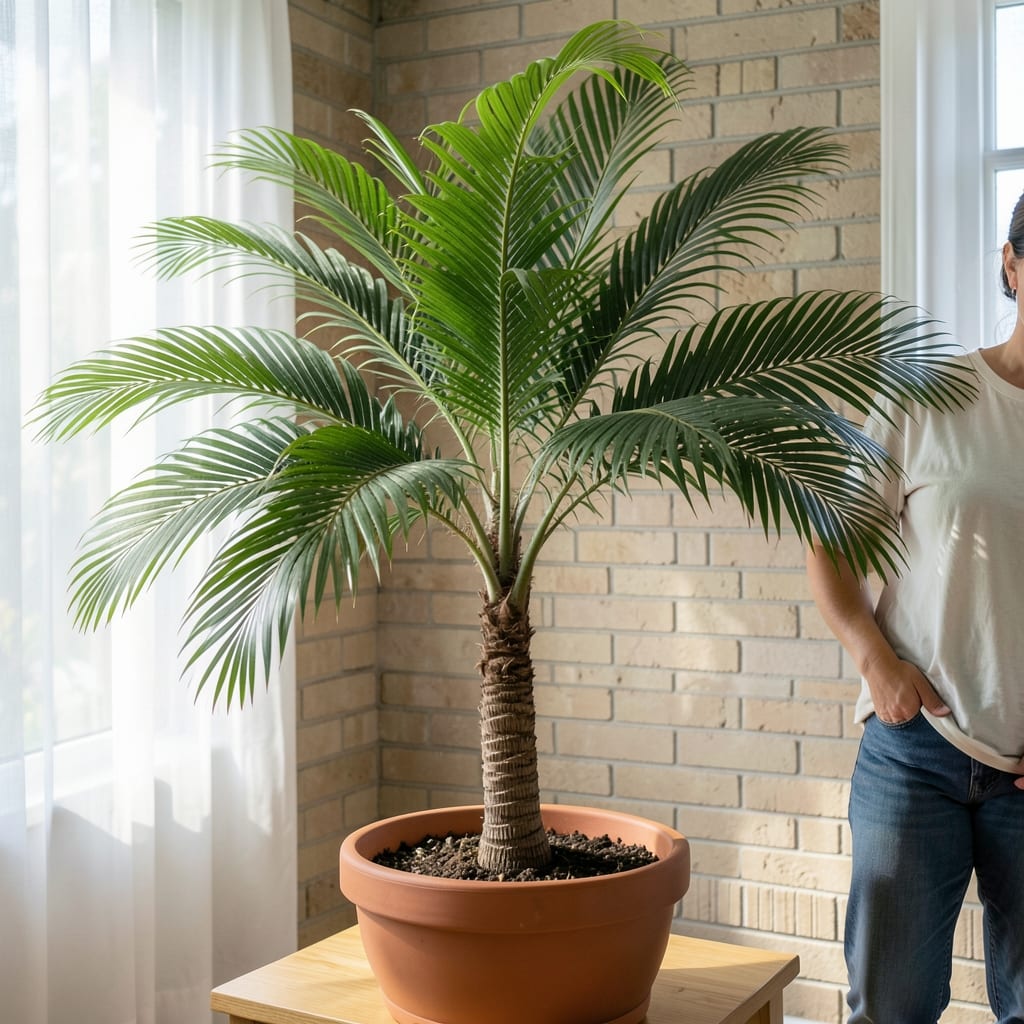
Wondering how tall do areca palms grow before they become unruly giants? The answer might surprise you—these tropical beauties 🌴 can reach 15 to 30 feet outdoors in ideal conditions, but indoors, they often stay a more manageable 6 to 10 feet tall with proper care.
If you're picturing a towering jungle plant taking over your living room, don't worry—there are ways to keep your areca palm in check. The key lies in understanding its growth habits, from the fast early years to the slower mature phase, and how factors like light, space, and pruning can shape its size.
Whether you're dealing with a compact indoor variety or a tall outdoor specimen, knowing what to expect helps you plan for the perfect spot. Let's break down the growth stages, care tips, and how to keep your palm at your desired height—without sacrificing its lush, tropical charm.
From dwarf-like habits indoors to tall, statement-making heights outdoors, areca palms offer flexibility. You'll discover how to encourage healthy growth, control size, and even prune strategically to maintain the perfect palm for your space.


Areca palm height guide: smallest to tallest varieties explained
Areca palms (Dypsis lutescens) are stunning tropical plants, but their mature height can vary dramatically depending on the variety and growing conditions. While some varieties stay under 10 feet indoors, others can reach 30 feet outdoors—so knowing the differences is key to picking the right one for your space.
The most common areca palm variety, the standard areca palm, typically grows 15-30 feet tall outdoors in frost-free zones (USDA Zones 10-12). Indoors, however, it rarely exceeds 6-10 feet due to limited space and light. This height difference is why many gardeners opt for smaller varieties or container growth to keep their palms manageable.
Here’s how the most popular areca palm varieties stack up in terms of height and space needs:
| Variety | Mature Height (Outdoors) | Mature Height (Indoors) | Growth Rate | Best For |
|---|---|---|---|---|
| Standard Areca Palm (Dypsis lutescens) | 15-30 ft | 6-10 ft | Moderate (1-2 ft/year) | Large spaces, outdoor gardens, statement indoor plants |
| Golden Areca Palm (Dypsis lutescens 'Aurea') | 12-20 ft | 5-8 ft | Slow to moderate (6-12 in/year) | Indoor spaces, offices, smaller patios |
| Dwarf Areca Palm (Dypsis decaryi) | N/A (Not outdoor-hardy) | 3-5 ft | Slow (3-6 in/year) | Small apartments, desks, terrariums |
| Mini Areca Palm (Dypsis lutescens 'Mini') | N/A (Not outdoor-hardy) | 4-6 ft | Slow (4-8 in/year) | Beginners, low-light areas, small rooms |
If you’re growing an areca palm indoors, the Golden Areca Palm or Mini Areca Palm are excellent choices for smaller spaces, while the standard variety thrives outdoors in warm climates. Always check the pot size—root-bound palms grow faster and taller, so repotting every 2-3 years helps control height.
The Golden Areca Palm is a favorite for indoor gardeners because its slower growth rate and compact fronds make it easier to manage in apartments or offices. Even so, it can still reach 8 feet indoors with proper care, so plan your space accordingly. For outdoor gardens in warm zones, the standard areca palm becomes a towering centerpiece, often needing pruning to maintain a manageable height.
One common misconception is that all areca palms grow equally fast. In reality, their growth rate depends on light exposure, soil quality, and humidity levels. For example, a palm in a bright, humid room may grow 1-2 feet per year, while one in a dry, low-light corner could grow just 6 inches annually. This flexibility makes areca palms adaptable to different environments—but it also means you’ll need to adjust your care routine based on your specific variety and location.
For those with limited ceiling height, consider the Dwarf Areca Palm (Dypsis decaryi), which rarely exceeds 5 feet indoors. This variety is perfect for desks, shelves, or small balconies and thrives in low to medium light, making it ideal for beginners or spaces with less natural light. However, it’s not cold-hardy and must stay indoors year-round in cooler climates.
If you’re unsure which variety to choose, start with the Golden Areca Palm—it’s a versatile middle ground that balances height, growth rate, and care ease. Pair it with a large, breathable pot and regular pruning to keep it at your desired height. Remember, the key to managing areca palm height is consistent care, not just the variety you pick.
Whether you’re aiming for a floor-filling statement plant or a compact desk companion, understanding these height differences will help you select the perfect areca palm for your space. With the right variety and care, you can enjoy their lush fronds without the worry of them outgrowing your home or garden.
Areca palm height guide: smallest to tallest varieties explained
The areca palm (Dypsis lutescens) is a stunning tropical plant, but its height can vary dramatically depending on where you grow it. Outdoors in warm climates, these palms can reach 15 to 30 feet tall, while indoors, they typically stay between 6 to 10 feet due to limited space and light. If you're choosing an areca palm for your home or garden, understanding these differences is key to picking the right variety for your space.
Most areca palms don’t come in true dwarf varieties, but their growth can be controlled with proper care. The standard areca palm is the most common type, and its height is heavily influenced by whether it’s grown indoors or outdoors. For example, a 10-year-old outdoor areca palm might tower over your house, while an indoor specimen of the same age could remain a manageable tabletop centerpiece.
Here’s a quick breakdown of what to expect from different areca palm varieties based on their mature height:
| Variety | Mature Height (Outdoors) | Mature Height (Indoors) | Growth Rate |
|---|---|---|---|
| Standard Areca Palm | 15–30 ft | 6–10 ft | Moderate (1–2 ft/year) |
| Mini Areca Palm (Young Specimen) | N/A (Outdoor growth not typical) | 3–6 ft (with careful care) | Slow (6–12 in/year) |
| Variegated Areca Palm | 15–25 ft | 5–8 ft | Moderate (similar to standard) |
If you’re growing an areca palm indoors, its height is largely determined by the size of its container. Smaller pots restrict root growth, which slows down vertical expansion. For example, keeping your areca palm in a 12-inch pot will naturally limit its height compared to a 24-inch pot. This makes pot size one of the easiest ways to control how tall your palm grows.
Outdoor areca palms, on the other hand, have no such limitations. In ideal conditions—USDA Zones 10–12, with bright indirect light and high humidity—they can grow 3 feet per year or more. If you’re in a cooler climate, consider growing your areca palm in a large container that you can move indoors during winter to protect it from frost.
One common misconception is that areca palms grow too fast for indoor spaces. While they can grow quickly under ideal conditions, their height can be managed with pruning and proper pot selection. For instance, pruning the oldest fronds encourages new growth at the top, which can help maintain a bushier, more compact shape. This technique is especially useful if you’re growing an areca palm in a small apartment or office space.
Whether you’re aiming for a tall statement plant or a compact tabletop palm, understanding these height variations will help you make an informed choice. The key is balancing your space with the palm’s natural growth habits—so you can enjoy its lush foliage without worrying about it outgrowing its welcome.